

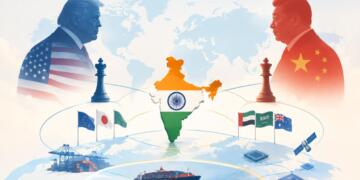













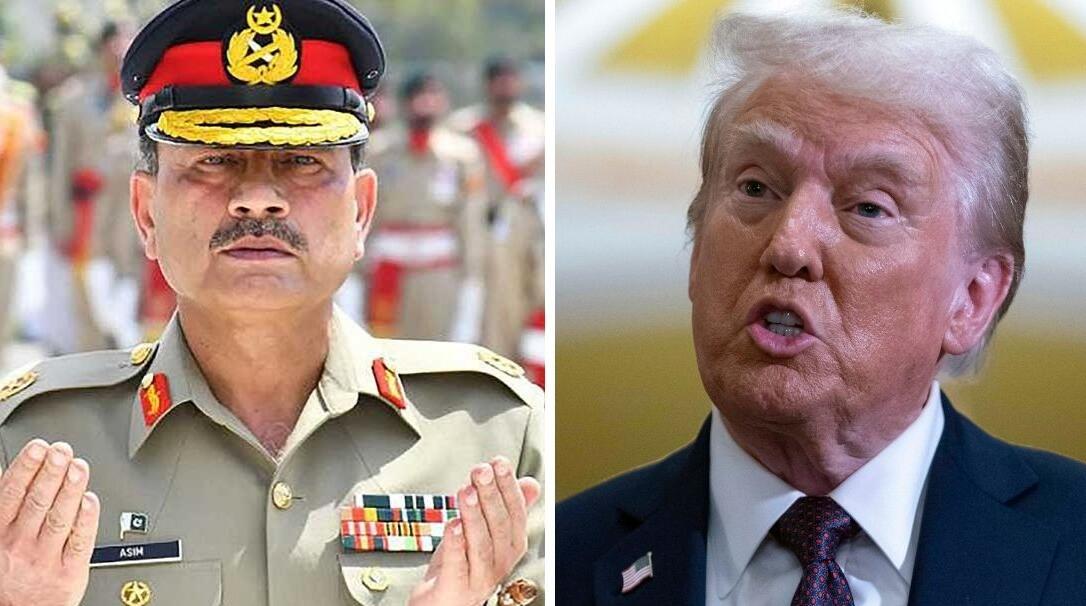
Pakistan’s Army Chief, Field Marshal Asim Munir, is scheduled to visit the United States later this week to attend the US Central Command (CENTCOM) change of command ceremony. This will be his second trip to Washington in less than two months, signaling renewed US-Pakistan military engagement, one that raises serious questions in New Delhi about Washington’s intentions in the region, especially amid rising trade tensions with India.
While the US opens its doors to Pakistan’s top military leadership, India is reinforcing its strategic independence, underscoring that its national security and foreign policy remain non-negotiable.
Trump Hosts Pakistani General, But India Stays Unmoved
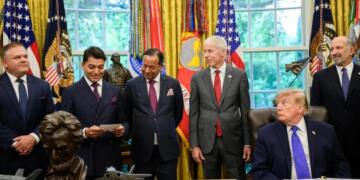
General Munir’s earlier visit in June, during which he was hosted by US President Donald Trump for a private lunch at the White House, without any civilian Pakistani leadership was an unusual and telling development. Discussions reportedly touched on security, trade, and even cryptocurrency, but it was Trump’s claim of preventing a war between India and Pakistan that caught global attention.
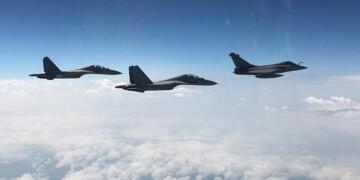
In an extraordinary public statement, Trump credited Munir with avoiding conflict after India’s decisive Operation Sindoor, which targeted terror infrastructure in Pakistan and PoK following the barbaric Pahalgam terror attack that killed 26 civilians.
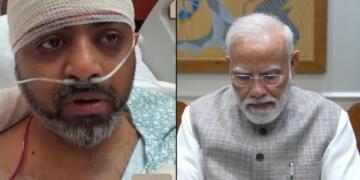
India, however, made it unequivocally clear that no foreign actor was involved in the ceasefire that followed. Prime Minister Narendra Modi, addressing Parliament, firmly rejected any claim of US mediation. “No one stopped Operation Sindoor but us. It was non-escalatory by design. We do not take instructions from others when it comes to national security,” he said.
Tariff Hypocrisy: As US Punishes India, It Courts Pakistan
Ironically, even as Washington courts Pakistan for strategic leverage, it has slapped a 25% additional tariff on Indian exports, raising the total to a staggering 50%, allegedly as punishment for India’s energy trade with Russia.
India has called out the move as unjust and discriminatory, particularly since other US allies continue similar imports. “Targeting India alone, despite our transparent energy policy aimed at safeguarding 1.4 billion citizens, is unfair and unacceptable,” said Mr. Randhir Jaiswal, Spokesperson for the Ministry of External Affairs.
In contrast, Trump has inked a trade deal with Islamabad, granting the US access to Pakistan’s oil reserves. Simultaneously, he reduced tariffs on Pakistani goods from 29% to 19%, offering Islamabad an economic sweetener even as it faces international scrutiny for harboring terrorist infrastructure.
This double standard hasn’t gone unnoticed in India’s strategic community.
Tilt Toward Tactical Convenience
Munir’s upcoming visit follows that of General Michael Kurilla, the outgoing CENTCOM chief, who was awarded Pakistan’s highest military honor, Nishan-e-Imtiaz by President Asif Ali Zardari in July. The optics were unmistakable: a full military ceremony, flag-bearing guards, and glowing rhetoric about “counterterrorism cooperation.”
Kurilla, who called Pakistan a “phenomenal partner,” also emphasized America’s need to balance relationships with both India and Pakistan. But critics warn that this false equivalence undermines the fundamental differences between the two nations, India being a responsible regional power, and Pakistan, a haven for cross-border militancy.
Analysts argue that Trump’s increasingly transactional approach is aimed more at short-term leverage than long-term strategic alignment. With Pakistan offering logistical routes, minerals, and pliability, Washington appears willing to overlook Islamabad’s terror-linked legacy.
As the US shifts gears in South Asia, India remains focused on long-term strategic goals of balancing great-power dynamics, securing its borders, and advancing as a civilizational power with global responsibilities.
While Pakistan plays the familiar game of military diplomacy, and the US appears to indulge it for its own ends, India continues to lead with restraint, resolve, and clarity. Whether Washington chooses to recognize that or risk alienating its most natural ally in Asia is now the real question.