























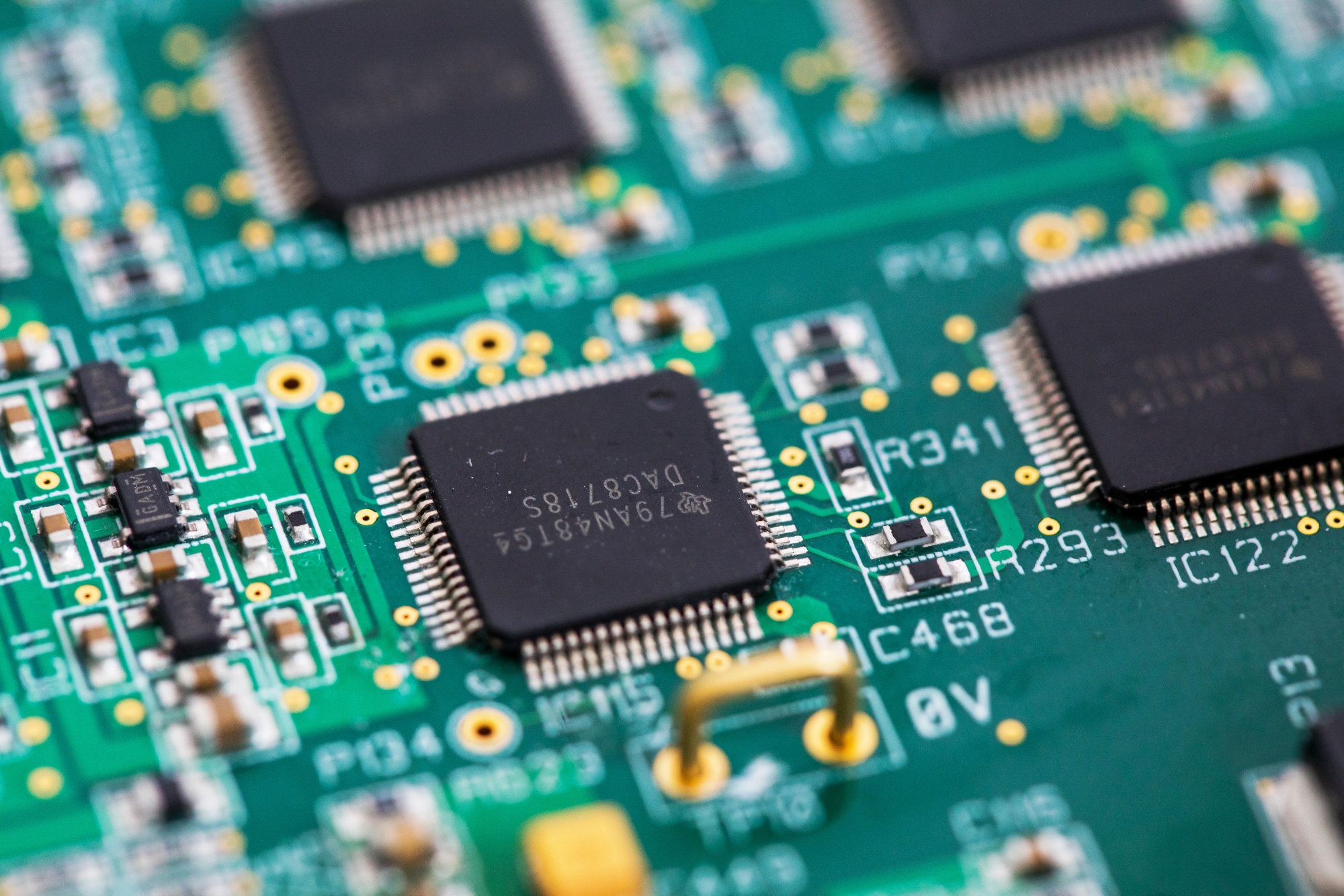
Prime Minister Narendra Modi, during his 2025 Independence Day address, spotlighted the nation’s ambitious strides in semiconductor manufacturing. He announced that “Made in India” semiconductor chips would be available by the end of 2025, marking a significant milestone in the country’s quest for technological self-reliance. This declaration underscores a broader vision to establish indigenous platforms in various sectors, including social media and technology.
The Origin of India’s Semiconductor Ambitions
India’s foray into semiconductor manufacturing began in 1984 with the establishment of Semiconductor Complex Limited (SCL) in Mohali, Punjab. At that time, SCL was among the few entities globally capable of producing advanced semiconductor technologies. The facility’s production line was capable of manufacturing 64K dynamic random-access memory (DRAM) chips, positioning India at the forefront of semiconductor innovation.
However, this promising trajectory was abruptly halted in 1989 when a devastating fire broke out at the Mohali facility. The blaze, which started at multiple points simultaneously, led to the destruction of critical infrastructure, including the main production line and research and development areas. The damage was estimated at approximately ₹60 crore (US$10 million).
The cause of the fire remains shrouded in mystery, with investigations yielding inconclusive results. Some speculated sabotage, given the simultaneous ignition at multiple locations within the plant. This incident not only set back India’s semiconductor ambitions but also highlighted vulnerabilities in the nation’s strategic infrastructure.
A Period of Missed Opportunities
Following the fire, India’s semiconductor industry faced a prolonged period of stagnation. Despite efforts to revive SCL, including a significant financial injection in 1997, the industry grappled with challenges such as outdated technology, insufficient funding, and a lack of political will.
This inertia allowed other nations, notably Taiwan and China, to advance rapidly in semiconductor technology. Taiwan’s Semiconductor Manufacturing Company (TSMC), established in 1987, emerged as a global leader, while China’s aggressive investments propelled it to the forefront of semiconductor production.
In contrast, India’s semiconductor aspirations remained largely unfulfilled for decades. The lack of a cohesive strategy and the absence of a robust industrial ecosystem hindered progress, leaving the nation dependent on imports for critical semiconductor components.
India’s Semiconductor Mission
The tide began to turn with the launch of the India Semiconductor Mission (ISM) in 2021, a comprehensive initiative aimed at establishing a sustainable semiconductor and display ecosystem in the country. Under this mission, the government has sanctioned the construction of multiple semiconductor plants, including fabrication units and assembly and testing facilities.
Notably, four new semiconductor assembly and testing plants were approved in 2025, with a total financial outlay of ₹4,594 crore. These plants are set to come up in Odisha, Punjab, and Andhra Pradesh, contributing to the government’s vision of achieving semiconductor self-sufficiency.
The ISM also emphasizes the development of indigenous technology platforms, drawing inspiration from successful initiatives like the Unified Payments Interface (UPI). By fostering innovation and encouraging youth participation, the mission aims to create homegrown solutions in various sectors, including social media and technology.
Reflecting on Past Lessons
Amit Malviya, the national convener of the Bharatiya Janata Party’s IT cell, poignantly remarked on the tragic chapter of India’s semiconductor history. He highlighted how the 1989 fire at SCL not only destroyed physical infrastructure but also set back the nation’s technological aspirations by decades. This incident serves as a stark reminder of the challenges faced in building and sustaining critical technological infrastructure.
Malviya emphasized that while the journey has been fraught with setbacks, the current resurgence in India’s semiconductor capabilities is a testament to the nation’s resilience and determination. He acknowledged that semiconductors are among the most complex and strategic industries to develop but expressed optimism about the progress made and the potential for future advancements.
As India embarks on this renewed journey toward semiconductor self-reliance, the lessons from the past serve as both a cautionary tale and a source of motivation. The government’s proactive approach, coupled with private sector participation and international collaborations, is paving the way for a robust semiconductor ecosystem. The successful implementation of the ISM could position India as a significant player in the global semiconductor market, reducing dependency on imports and fostering innovation across various technological domains.
In conclusion, India’s semiconductor saga is one of resilience, learning, and resurgence. From the ashes of past setbacks, the nation is poised to emerge as a formidable force in semiconductor manufacturing, driving technological progress and economic growth in the years to come.