






















The Congress government in Telangana has stirred up a political storm with its latest decision to issue ordinance, attempting to implement 42% reservations for Backward Classes (BCs) in local body elections. On the surface, this seems like a pro-OBC initiative. But beneath the surface lies a web of opportunism, deception, and political manipulation. The Congress claims to be the champion of backward classes, but critics argue that this is just another attempt to appease the OBC voter base through shortcut politics. Instead of passing the legislation through proper parliamentary procedure, the Congress chose the ordinance route raising serious questions about their real intentions.
Shortcut to Popularity: Why an Ordinance, Not a Bill?
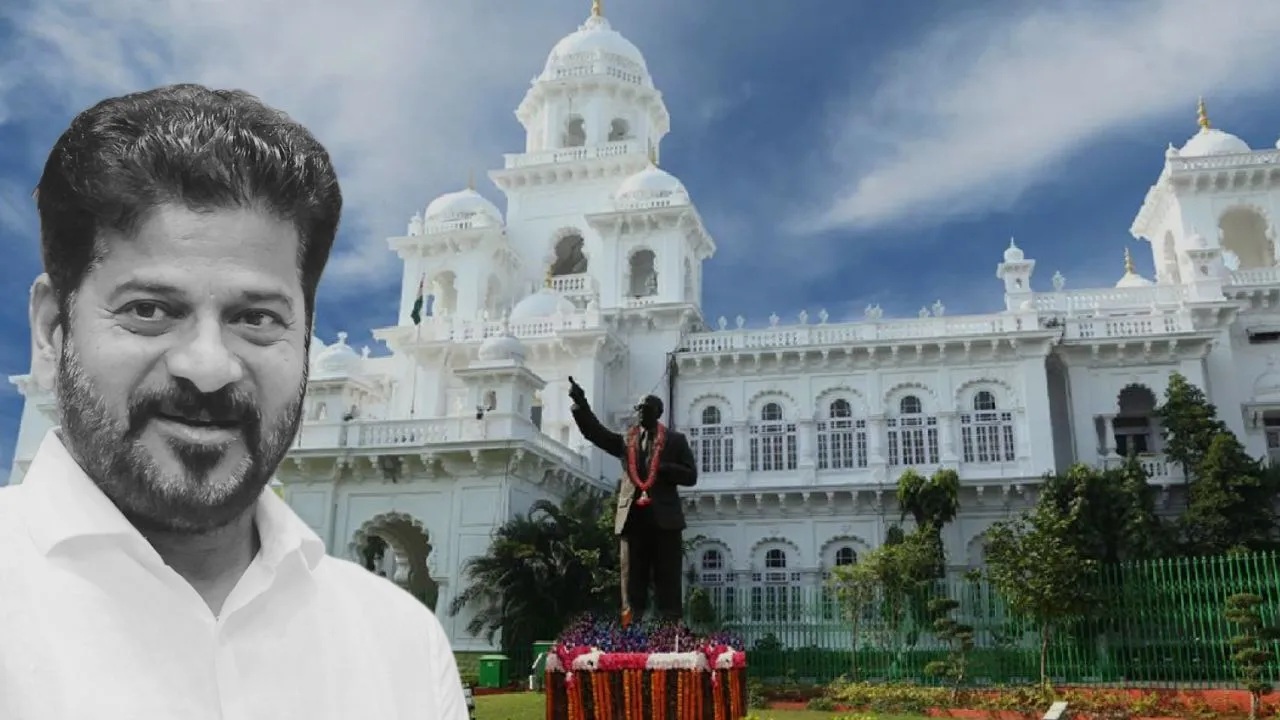
The Telangana cabinet, chaired by Chief Minister A. Revanth Reddy, announced that 42% reservations for BCs would be implemented in the upcoming local body elections. This would be done not by following the legislative process but via an ordinance, amending the Panchayat Raj Act of 2018.
But here’s the catch: An ordinance is only valid for six months and must be ratified by the state legislature within that time. Why didn’t the Congress government push the amendment through a special legislative session? If they were serious about OBC empowerment, why rely on a temporary mechanism instead of ensuring legislative permanency? The answer is simple—it is a classic case of pre-poll posturing to mislead the OBC communities into believing the Congress is working for them.
Rahul Gandhi’s Shadow Politics: Appeasement Disguised as Reform
Rahul Gandhi has consistently positioned himself as a crusader for social justice and backward class upliftment. However, on the ground in Telangana, his party is using half-baked measures to secure vote banks. The very Congress that promised to lead an all-party delegation to Prime Minister Modi to push for BC reservations is now circumventing its own process.
Telangana MLC Ch Naveen, who was fielded by Congress in Warangal-Khammam-Nalgonda, questioned this flip-flop. If the problem could be resolved with an ordinance, why was there talk of a delegation to New Delhi? Why pass a Bill in the Assembly and send it to the Centre for approval if the ordinance route was always on the table? Naveen, who was later suspended from the party for calling the State’s BC census “fake,” rightly highlighted the inconsistency in the Congress’ approach.
BRS, Sarpanches, and Civil Voices: Growing Discontent
It’s not just opposition parties but also civic groups and community representatives who are questioning the legality and sincerity of this decision. Bharat Rashtra Samithi (BRS) spokesperson Manne Krishank accused Congress of creating hype over an ordinance with doubtful legal sanctity. He questioned whether the Governor would give assent or if the courts would uphold such a move.
The Telangana Sarpanches Sangham also criticised the Congress for manipulating the reservation issue. Sangham president LN Reddy questioned why a Dedicated Commission for BC reservations was formed if an ordinance alone could do the job. He accused the government of deliberately delaying local body elections, fearing public backlash over poor governance.
Legal Storm Ahead: The 50% Cap Trap
Telangana is now treading the same dangerous path Bihar did in 2023. The Bihar government had similarly tried to increase quotas for EBCs, OBCs, SCs, and STs to 65%. However, the Patna High Court struck down the law as unconstitutional, citing a lack of exceptional circumstances to breach the 50% cap set by the Supreme Court.
Telangana’s reservation matrix now proposes 42% for BCs, 18% for SCs, and 10% for STs, pushing the total to a staggering 70%. Without the Centre’s approval or a constitutional amendment, this move could meet the same fate as Bihar’s attempt.
Rahul’s Telangana Gamble is a Disservice to OBCs
Congress’ hurried push for 42% BC reservation through ordinance reeks of electoral opportunism rather than genuine reform. If the party truly cared about OBC empowerment, they would have pursued a transparent and constitutional route. Instead, Rahul Gandhi’s Telangana unit is using shortcuts to create a mirage of social justice.
Bypassing legislative scrutiny, misusing administrative machinery, and weaponising caste arithmetic may fetch short-term gains, but it does long-term harm to the fabric of democracy. The ordinance is a temporary gimmick. The real reform lies in permanent policy.
As the countdown begins for Telangana’s local body polls, the people must ask: Is this genuine social justice or just Congress’ latest poll gimmick in Rahul Gandhi’s “caste census” campaign? The answer is becoming clearer with every such move.