













TFIPOST हिन्दी
TFIPOST Global
Tfipost.com
Tfipost.com
No Result
View All Result
  • Premium
  • Politics
    • All
    • Analysis
    • Opinions
    • Trending
    Bhindranwale Symbolism Returns at Golden Temple on Blue Star Anniversary, Exposing Recurring Security Challenge in Punjab

    Bhindranwale Symbolism Returns at Golden Temple on Blue Star Anniversary, Exposing Recurring Security Challenge in Punjab

    Bengal Police Seize 29 Firearms in Multi-District Operation Following Arrests in Sandeshkhali Case

    Bengal Police Seize 29 Firearms in Multi-District Operation Following Arrests in Sandeshkhali Case

    Rajiv Singh, a 1993-batch IPS officer, has served in several key positions during his distinguished career.

    Former Manipur DGP Rajiv Singh Takes Charge as Secretary (Security) in Cabinet Secretariat

    Securing the Frontier: Shah Draws a Red Line on Demographic Shifts as Smart Border Project Nears Rollout

    Securing the Frontier: Shah Draws a Red Line on Demographic Shifts as Smart Border Project Nears Rollout

    • Analysis
    • Opinions
    • Trending
  • Economy
    • All
    • Business
    • Economy1
    • Finance
    India’s 7.7% Growth in FY26 Reinforces Economic Strength Under Modi as Services and Investment Drive Broad-Based Expansion

    India’s 7.7% Growth in FY26 Reinforces Economic Strength Under Modi as Services and Investment Drive Broad-Based Expansion

    When a Gold Story Turned Into Dust: Bloomberg Retraction, RBI’s Clarification, and the Debate Over Narrative First Journalism

    When a Gold Story Turned Into Dust: Bloomberg Retraction, RBI’s Clarification, and the Debate Over Narrative First Journalism

    India Joins Global Digital Elite, Climbs Into Fifth Spot as AI Revolution and Digital Infrastructure Reshape Economy

    India Joins Global Digital Elite, Climbs Into Fifth Spot as AI Revolution and Digital Infrastructure Reshape Economy

    How gaming merchants choose a payment gateway in India

    How gaming merchants choose a payment gateway in India

    • Business
    • Finance
  • Defense
    • All
    • Defence
    • Strategy
    • Weaponry
    Securing the Frontier: Shah Draws a Red Line on Demographic Shifts as Smart Border Project Nears Rollout

    Securing the Frontier: Shah Draws a Red Line on Demographic Shifts as Smart Border Project Nears Rollout

    “Not 1962, Not China”: Pema Khandu Reasserts Tibet Border Claim, Dismisses Beijing’s Arunachal Assertions

    “Not 1962, Not China”: Pema Khandu Reasserts Tibet Border Claim, Dismisses Beijing’s Arunachal Assertions

    Rudram-2 Passes Crucial Combat Trial, India Moves Closer to Indigenous SEAD Dominance

    Rudram-2 Passes Crucial Combat Trial, India Moves Closer to Indigenous SEAD Dominance

    Rajesh Kumar Singh Reveals Vietnam BrahMos Deal, Indonesia Agreement in Final Stages

    Rajesh Kumar Singh Reveals Vietnam BrahMos Deal, Indonesia Agreement in Final Stages

    • Defence
    • Strategy
    • Weaponry
  • Geopolitics
    • All
    • Africa
    • Americas
    • Asia Pacific
    • Europe
    • South Asia
    • West Asia
    India’s 7.7% Growth in FY26 Reinforces Economic Strength Under Modi as Services and Investment Drive Broad-Based Expansion

    India’s 7.7% Growth in FY26 Reinforces Economic Strength Under Modi as Services and Investment Drive Broad-Based Expansion

    UNSC Seat or Propaganda Platform? India Exposes Pakistan’s Habit of Misusing Global Forums

    UNSC Seat or Propaganda Platform? India Exposes Pakistan’s Habit of Misusing Global Forums

    Why Russia Trusts India: Putin Dismisses Western Pressure on Modi, Backs New Delhi’s Independent Foreign Policy

    Why Russia Trusts India: Putin Dismisses Western Pressure on Modi, Backs New Delhi’s Independent Foreign Policy

    India and Venezuela Signal Energy Recalibration as Rodríguez Visits New Delhi for Crucial Talks

    India and Venezuela Signal Energy Recalibration as Rodríguez Visits New Delhi for Crucial Talks

    • Africa
    • Americas
    • Asia Pacific
    • Europe
    • South Asia
    • West Asia
  • Knowledge
    • All
    • Culture
    • Education
    • History
    • Indology
    Who Killed Akanksha ? How Many More Students Will Pay the Price for Education Mafias and Paper-Leak Rackets?

    Who Killed Akanksha ? How Many More Students Will Pay the Price for Education Mafias and Paper-Leak Rackets?

    June 3, 1947 Revisited: Nishikant Dubey Blames Nehru-Gandhi Family for Partition and Kashmir Crisis

    June 3, 1947 Revisited: Nishikant Dubey Blames Nehru-Gandhi Family for Partition and Kashmir Crisis

    CBSE OSM Fallout Deepens as 4 Lakh Students Rush for Re-evaluation, Raising Serious Questions on Digital Checking System

    CBSE OSM Fallout Deepens as 4 Lakh Students Rush for Re-evaluation, Raising Serious Questions on Digital Checking System

    Veer Savarkar

    When Nehru Government Imprisoned Veer Savarkar for the Pakistani Prime Minister

    • Culture
    • History
    • Indology
  • Law
  • Lounge
    • All
    • Books
    • Cinema
    • Entertainment
    • Food
    • Games
    • Health
    • Lifestyle
    • Satire
    • Sports
    • technology
    • Travel
    Praggnanandhaa Turns Oslo Upside Down With Historic Norway Chess Triumph

    Praggnanandhaa Turns Oslo Upside Down With Historic Norway Chess Triumph

    Erythrocyte Sedimentation Rate (ESR) Test: Meaning, Normal Range & Uses

    Erythrocyte Sedimentation Rate (ESR) Test: Meaning, Normal Range & Uses

    Inside the World of Elite Matchmaking in India

    Inside the World of Elite Matchmaking in India

    Best Salicylic Acid Face Wash for Oily & Acne-Prone Skin

    Best Salicylic Acid Face Wash for Oily & Acne-Prone Skin

    • Books
    • Cinema
    • Food
    • Health
    • Sports
    • technology
    • Travel
    • Satire
Tfipost.com
  • Premium
  • Politics
    • All
    • Analysis
    • Opinions
    • Trending
    Bhindranwale Symbolism Returns at Golden Temple on Blue Star Anniversary, Exposing Recurring Security Challenge in Punjab

    Bhindranwale Symbolism Returns at Golden Temple on Blue Star Anniversary, Exposing Recurring Security Challenge in Punjab

    Bengal Police Seize 29 Firearms in Multi-District Operation Following Arrests in Sandeshkhali Case

    Bengal Police Seize 29 Firearms in Multi-District Operation Following Arrests in Sandeshkhali Case

    Rajiv Singh, a 1993-batch IPS officer, has served in several key positions during his distinguished career.

    Former Manipur DGP Rajiv Singh Takes Charge as Secretary (Security) in Cabinet Secretariat

    Securing the Frontier: Shah Draws a Red Line on Demographic Shifts as Smart Border Project Nears Rollout

    Securing the Frontier: Shah Draws a Red Line on Demographic Shifts as Smart Border Project Nears Rollout

    • Analysis
    • Opinions
    • Trending
  • Economy
    • All
    • Business
    • Economy1
    • Finance
    India’s 7.7% Growth in FY26 Reinforces Economic Strength Under Modi as Services and Investment Drive Broad-Based Expansion

    India’s 7.7% Growth in FY26 Reinforces Economic Strength Under Modi as Services and Investment Drive Broad-Based Expansion

    When a Gold Story Turned Into Dust: Bloomberg Retraction, RBI’s Clarification, and the Debate Over Narrative First Journalism

    When a Gold Story Turned Into Dust: Bloomberg Retraction, RBI’s Clarification, and the Debate Over Narrative First Journalism

    India Joins Global Digital Elite, Climbs Into Fifth Spot as AI Revolution and Digital Infrastructure Reshape Economy

    India Joins Global Digital Elite, Climbs Into Fifth Spot as AI Revolution and Digital Infrastructure Reshape Economy

    How gaming merchants choose a payment gateway in India

    How gaming merchants choose a payment gateway in India

    • Business
    • Finance
  • Defense
    • All
    • Defence
    • Strategy
    • Weaponry
    Securing the Frontier: Shah Draws a Red Line on Demographic Shifts as Smart Border Project Nears Rollout

    Securing the Frontier: Shah Draws a Red Line on Demographic Shifts as Smart Border Project Nears Rollout

    “Not 1962, Not China”: Pema Khandu Reasserts Tibet Border Claim, Dismisses Beijing’s Arunachal Assertions

    “Not 1962, Not China”: Pema Khandu Reasserts Tibet Border Claim, Dismisses Beijing’s Arunachal Assertions

    Rudram-2 Passes Crucial Combat Trial, India Moves Closer to Indigenous SEAD Dominance

    Rudram-2 Passes Crucial Combat Trial, India Moves Closer to Indigenous SEAD Dominance

    Rajesh Kumar Singh Reveals Vietnam BrahMos Deal, Indonesia Agreement in Final Stages

    Rajesh Kumar Singh Reveals Vietnam BrahMos Deal, Indonesia Agreement in Final Stages

    • Defence
    • Strategy
    • Weaponry
  • Geopolitics
    • All
    • Africa
    • Americas
    • Asia Pacific
    • Europe
    • South Asia
    • West Asia
    India’s 7.7% Growth in FY26 Reinforces Economic Strength Under Modi as Services and Investment Drive Broad-Based Expansion

    India’s 7.7% Growth in FY26 Reinforces Economic Strength Under Modi as Services and Investment Drive Broad-Based Expansion

    UNSC Seat or Propaganda Platform? India Exposes Pakistan’s Habit of Misusing Global Forums

    UNSC Seat or Propaganda Platform? India Exposes Pakistan’s Habit of Misusing Global Forums

    Why Russia Trusts India: Putin Dismisses Western Pressure on Modi, Backs New Delhi’s Independent Foreign Policy

    Why Russia Trusts India: Putin Dismisses Western Pressure on Modi, Backs New Delhi’s Independent Foreign Policy

    India and Venezuela Signal Energy Recalibration as Rodríguez Visits New Delhi for Crucial Talks

    India and Venezuela Signal Energy Recalibration as Rodríguez Visits New Delhi for Crucial Talks

    • Africa
    • Americas
    • Asia Pacific
    • Europe
    • South Asia
    • West Asia
  • Knowledge
    • All
    • Culture
    • Education
    • History
    • Indology
    Who Killed Akanksha ? How Many More Students Will Pay the Price for Education Mafias and Paper-Leak Rackets?

    Who Killed Akanksha ? How Many More Students Will Pay the Price for Education Mafias and Paper-Leak Rackets?

    June 3, 1947 Revisited: Nishikant Dubey Blames Nehru-Gandhi Family for Partition and Kashmir Crisis

    June 3, 1947 Revisited: Nishikant Dubey Blames Nehru-Gandhi Family for Partition and Kashmir Crisis

    CBSE OSM Fallout Deepens as 4 Lakh Students Rush for Re-evaluation, Raising Serious Questions on Digital Checking System

    CBSE OSM Fallout Deepens as 4 Lakh Students Rush for Re-evaluation, Raising Serious Questions on Digital Checking System

    Veer Savarkar

    When Nehru Government Imprisoned Veer Savarkar for the Pakistani Prime Minister

    • Culture
    • History
    • Indology
  • Law
  • Lounge
    • All
    • Books
    • Cinema
    • Entertainment
    • Food
    • Games
    • Health
    • Lifestyle
    • Satire
    • Sports
    • technology
    • Travel
    Praggnanandhaa Turns Oslo Upside Down With Historic Norway Chess Triumph

    Praggnanandhaa Turns Oslo Upside Down With Historic Norway Chess Triumph

    Erythrocyte Sedimentation Rate (ESR) Test: Meaning, Normal Range & Uses

    Erythrocyte Sedimentation Rate (ESR) Test: Meaning, Normal Range & Uses

    Inside the World of Elite Matchmaking in India

    Inside the World of Elite Matchmaking in India

    Best Salicylic Acid Face Wash for Oily & Acne-Prone Skin

    Best Salicylic Acid Face Wash for Oily & Acne-Prone Skin

    • Books
    • Cinema
    • Food
    • Health
    • Sports
    • technology
    • Travel
    • Satire
No Result
View All Result
Tfipost.com
Tfipost.com
No Result
View All Result
  • Premium
  • Politics
  • Economy
  • Defense
  • Geopolitics
  • Knowledge
  • Law
  • Lounge

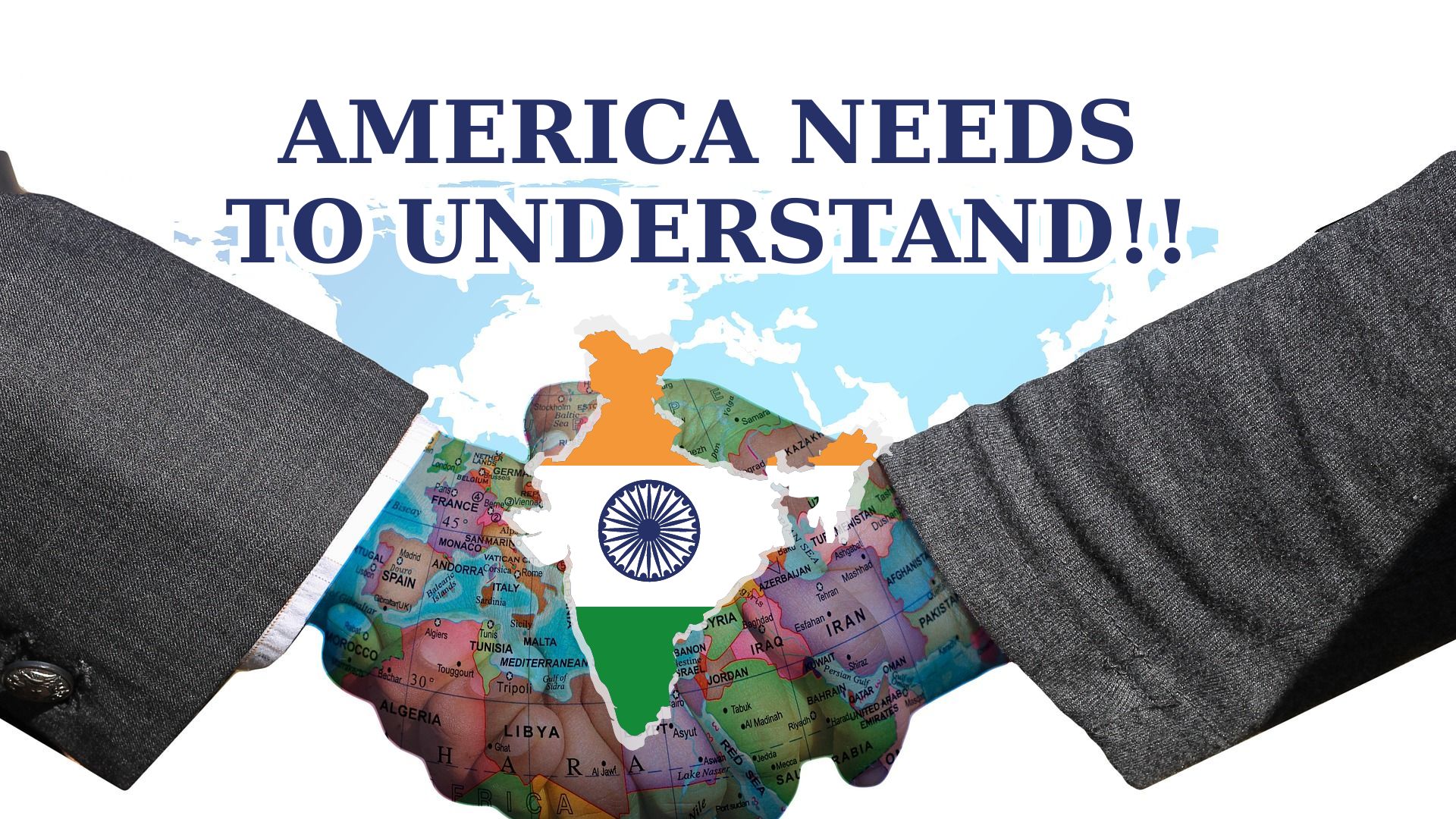
America Needs to Idolize India’s Diplomatic Nuances

Muskan Goel by Muskan Goel
19 March 2024
in Geopolitics, Trending
India, America, Strategic Diplomacy, Bilateral relationships
Share on FacebookShare on X

America Needs to Idolize India’s Diplomatic Nuances

Amidst the Russia-Ukraine conflict, India maintained a principled stance advocating for dialogue and cessation of hostilities, amidst pressures from Western powers to take a clear side. This highlighted the complexities faced by India, balancing its strategic autonomy against Western expectations. The situation underscores the necessity for a nuanced understanding of Indian diplomacy. Rooted in historical, civilizational, and strategic factors, India’s foreign policy requires appreciation beyond conventional Western paradigms. Recognizing India’s unique position and approach is crucial for fostering mutual understanding and constructive engagement, essential for addressing global challenges and promoting peace in an increasingly complex world.

RelatedPosts

UNSC Seat or Propaganda Platform? India Exposes Pakistan’s Habit of Misusing Global Forums

Rudram-2 Passes Crucial Combat Trial, India Moves Closer to Indigenous SEAD Dominance

Why Kalita Majhi’s Journey from Domestic Help to Minister Has Become a Defining Image of Indian Democracy

Load More

India’s Principled Stand and Strategic Neutrality

India’s foreign policy has long been characterized by a commitment to strategic neutrality and a refusal to align with any single power bloc. This stance stems from India’s historical experience and civilizational ethos, which prioritize autonomy and independence in international relations. Despite increasing pressure from Western capitals, particularly Washington, India has consistently maintained its principled stance and advocated for diplomacy and dialogue amidst global conflicts.

Refusal to Align with Power Blocs

Since gaining independence from colonial rule, India has steadfastly resisted the temptation to align itself with any particular power bloc. During the Cold War era, while many countries chose sides between the United States and the Soviet Union, India charted its own course by pursuing a policy of non-alignment. This approach allowed India to maintain flexibility and independence in its foreign relations, enabling it to engage with a diverse array of countries without being tethered to any single alliance.

Calls for Diplomacy and Dialogue

In the face of escalating global conflicts, India has consistently called for diplomacy and dialogue as the preferred means of resolving disputes. Whether it be the Russia-Ukraine conflict, the China-US rivalry, or the Israel-Hamas war, India has advocated for peaceful solutions through constructive engagement and negotiation. This commitment to diplomacy reflects India’s belief in the importance of dialogue and consensus-building in resolving international disputes, rather than resorting to coercion or military intervention.

Discomfort in Western Capitals

India’s principled stance and strategic neutrality have often caused discomfort in Western capitals, particularly in Washington. The United States, as a leading power in the international system, has frequently sought to rally allies and partners to support its own strategic objectives. However, India’s refusal to fully align with US interests has challenged the traditional binary view of international relations that underpins Western foreign policy.

Washington’s Response

The discomfort that India’s stance causes in Washington can be seen in various aspects of the bilateral relationship. Despite growing cooperation in areas such as defense and technology, there remains a persistent sense of unease and mistrust between the two countries. This mistrust is fueled by Washington’s frustration with India’s perceived reluctance to fully commit to US-led initiatives and its willingness to engage with countries that are at odds with US interests.

Frictions in India-US Relations

India and the United States have sought to strengthen their bilateral relationship through various strategic agreements, yet underlying tensions and a lack of mutual understanding persist, leading to instances of friction and discord.

Also Read: Jaishankar’s Play-by-play to US: Read India’s History Before Making Despicable Remarks

Strategic Agreements between India and the US

Over the years, India and the US have signed several strategic agreements aimed at enhancing cooperation in areas such as defense, technology, and intelligence-sharing. These agreements include:

Basic Exchange and Cooperation Agreement (BECA): Signed in 2020, BECA facilitates the exchange of geospatial intelligence between India and the US, enhancing military interoperability and navigation capabilities.

Logistics Exchange Memorandum of Agreement (LEMOA): Signed in 2016, LEMOA allows for reciprocal access to military facilities and services between India and the US, enabling smoother logistical support during joint exercises and humanitarian missions.

Communications Compatibility and Security Agreement (COMCASA): Signed in 2018, COMCASA enables secure communication and data sharing between Indian and US military platforms, enhancing interoperability and coordination during joint operations.

Instances of Friction

Diplomatic stand-offs have occurred over issues such as trade disputes, visa restrictions, and disagreements over regional security dynamics. These stand-offs have strained bilateral ties and hindered progress on key issues. Accusations and allegations have been leveled by both sides, further exacerbating tensions. For example, India has criticized US policies on issues such as immigration and trade protectionism, while the US has expressed concerns about India’s human rights record and democratic backsliding. India and the US have adopted divergent approaches to global issues such as climate change, multilateralism, and international institutions, leading to disagreements and tensions in their bilateral relationship.

Also Read: Maldives’ Economic Mirage and The Toll of the Missing Indian Tourists.

India’s Diplomatic History during the Cold War

During the Cold War, India navigated a complex geopolitical landscape characterized by intense rivalry between the United States and the Soviet Union. India, under the leadership of Prime Minister Jawaharlal Nehru, pursued a policy of non-alignment, seeking to maintain independence and neutrality in the midst of superpower competition.

India’s Tilt towards the USSR

While officially non-aligned, India leaned towards the Soviet Union for several reasons. First, the Soviet Union provided crucial support to India in areas such as defense, technology, and economic development. Second, India shared ideological affinities with the socialist principles espoused by the Soviet Union. Third, the perceived alignment of the United States with Pakistan during the Indo-Pak conflicts further pushed India towards the Soviet camp.

Despite its tilt towards the USSR, India maintained strategic autonomy, refusing to become a satellite state or pawn in superpower politics. India’s leaders, particularly Nehru, emphasized the importance of pursuing an independent foreign policy that served India’s national interests and aspirations.

Civilizational Ethos Influencing India’s Foreign Policy

India’s diplomatic behavior is deeply influenced by its civilizational ethos, which emphasizes principles such as ahimsa (non-violence), dharma (righteousness), and vasudhaiva kutumbakam (the world is one family). These principles underpin India’s commitment to peace, non-aggression, and cooperation in international affairs.

India’s rich cultural and philosophical heritage, which includes texts such as the Vedas, Upanishads, and Arthashastra, has shaped its approach to diplomacy and statecraft. Concepts like sarvodaya (welfare of all) and lokasamgraha (welfare of humanity) guide India’s engagement with the world, emphasizing the importance of mutual respect, dialogue, and inclusivity.

Also Read: Modi Is In Bhutan, Prior To The Elections! But Why?

India vs. the West

India’s multipolar approach to international relations stands in contrast to the Western alliance system, which is characterized by military alliances and power blocs. India rejects the notion of aligning with any single superpower or bloc, preferring instead to engage with multiple actors on the basis of mutual interests and cooperation.

Historical Roots

India’s diplomatic behavior is rooted in its historical experiences as a civilization that has interacted with diverse cultures and civilizations over millennia. India’s ancient texts and epics contain lessons in diplomacy, statecraft, and ethics that continue to shape its foreign policy thinking.

Preference for Bilateral Diplomacy and Strategic Autonomy

India places a high premium on bilateral diplomacy and strategic autonomy. Rather than relying on multilateral alliances or collective security arrangements, India prefers to engage with other countries on a bilateral basis, allowing for greater flexibility and independence in decision-making.

India’s commitment to strategic autonomy reflects its desire to avoid entanglements in the power politics of major powers and to pursue its own national interests on the world stage. By maintaining strategic autonomy, India seeks to preserve its sovereignty and independence in a rapidly changing global landscape.

Also Read: India-China Border Dispute and the Path to Resolution: Pursuing Peace?

India’s Contemporary Diplomatic Landscape

India’s foreign policy in contemporary times is characterized by a principled stance on global issues and conflicts. India consistently advocates for peaceful resolution of disputes through dialogue and diplomacy, upholding the principles of sovereignty, non-interference, and respect for international law. Whether it’s the Russia-Ukraine conflict, the China-US rivalry, or the Israel-Hamas war, India emphasizes the importance of dialogue and negotiations to achieve sustainable solutions and promote regional stability.

Successful Bilateral Diplomacy Efforts

India has been successful in forging strong bilateral relationships with countries across the globe. Through skillful diplomacy, India has nurtured strategic partnerships with major powers like the United States, Russia, and France, while also deepening ties with regional neighbors and emerging powers. These bilateral relationships have enabled India to advance its national interests, enhance economic cooperation, and address shared challenges such as terrorism, climate change, and global health crises.

Transformation of India’s Non-Alignment into Multi-Alignment

India’s traditional policy of non-alignment has evolved into a more dynamic strategy of multi-alignment. While India continues to maintain strategic autonomy and refrain from formal alliances, it actively engages with multiple countries and regional groupings to pursue its interests in a rapidly changing global landscape. This approach allows India to leverage partnerships with diverse actors and adapt its foreign policy to shifting geopolitical dynamics, enhancing its influence and relevance on the world stage.

Also Read: Modi’s Masterstroke: How India Saved the Day in Russia-Ukraine Crisis

Need for Western Powers to Understand India’s Approach

Western powers, particularly the United States, need to understand and appreciate India’s nuanced approach to diplomacy. India’s foreign policy is shaped by its unique historical experiences, civilizational ethos, and strategic imperatives, which may differ from Western perspectives. By understanding India’s motivations and priorities, Western powers can foster stronger partnerships with India and advance shared goals in areas such as security, trade, and global governance.

Benefits of India’s Nu1anced Diplomacy in Preventing Global Conflicts

India’s nuanced diplomacy plays a crucial role in preventing global conflicts and promoting peace and stability. By advocating for dialogue, mediation, and consensus-building, India helps defuse tensions and resolve disputes through peaceful means. India’s non-aligned stance and emphasis on strategic autonomy also contribute to a more multipolar and balanced international order, reducing the risk of hegemonic domination and conflict escalation.

Advocating for Deeper Appreciation of India’s Strategic Autonomy and Bilateral Relationships

A deeper appreciation of India’s strategic autonomy and bilateral relationships is essential for fostering mutual trust, understanding, and cooperation in international affairs. India’s ability to pursue an independent foreign policy based on its national interests and values strengthens global governance and promotes a more inclusive and equitable world order. By recognizing and respecting India’s diverse partnerships and diplomatic nuances, the international community can build stronger, more resilient alliances and partnerships that contribute to peace, prosperity, and progress for all.

In conclusion, India’s diplomatic nuances stem from its historical, civilizational, and strategic imperatives. Understanding and appreciating India’s stance in global affairs is crucial for fostering mutual trust and cooperation. Enhanced dialogue and cooperation between India and Western powers are essential for building a more stable and peaceful world order. By recognizing India’s principled approach, promoting bilateral engagement, and respecting its strategic autonomy, the international community can advance shared interests and address global challenges effectively.

Also Read: The Mega Opinion Poll: Modi Remains BJP’s Trump Card

Tags: AmericaBilateral relationshipsIndiaStrategic Diplomacy
ShareTweetSend
Previous Post

Maldives’ Economic Mirage and The Toll of the Missing Indian Tourists

Next Post

Probing Crypto Currency Integration on Canadian Blackjack Sites

Related Posts

Bhindranwale Symbolism Returns at Golden Temple on Blue Star Anniversary, Exposing Recurring Security Challenge in Punjab
Politics

Bhindranwale Symbolism Returns at Golden Temple on Blue Star Anniversary, Exposing Recurring Security Challenge in Punjab

6 June 2026

Pro-Khalistan slogans echoed through parts of the Sri Harmandir Sahib complex in Amritsar as the 42nd anniversary of Operation...

Bengal Police Seize 29 Firearms in Multi-District Operation Following Arrests in Sandeshkhali Case
Politics

Bengal Police Seize 29 Firearms in Multi-District Operation Following Arrests in Sandeshkhali Case

6 June 2026

Special Task Force operation across South and North 24 Parganas has led to the recovery of 29 illegal firearms...

India’s 7.7% Growth in FY26 Reinforces Economic Strength Under Modi as Services and Investment Drive Broad-Based Expansion
Business

India’s 7.7% Growth in FY26 Reinforces Economic Strength Under Modi as Services and Investment Drive Broad-Based Expansion

6 June 2026

India’s economy closed FY 2025–26 with real GDP growth of 7.7%, marking a stronger-than-expected performance that highlights continued momentum...

Load More

Leave a Reply Cancel reply

Your email address will not be published. Required fields are marked *

I agree to the Terms of use and Privacy Policy.
This site is protected by reCAPTCHA and the Google Privacy Policy and Terms of Service apply.

Currently Playing

AIRCRAFT CARRIERS: INDIA’S MOST POWERFUL TOOL OF MARITIME POWER PROJECTION | INS Vikrant |

AIRCRAFT CARRIERS: INDIA’S MOST POWERFUL TOOL OF MARITIME POWER PROJECTION | INS Vikrant |

00:03:22

Rudram 2 Success: Made in India Missile Ready To Crush Enemy Radars| DRDO’s Big Breakthrough

00:03:46

From Runways to Warships: India’s Firefighting Warrior Built for Bases & Battles| IAF | VayuShakti

00:05:40

Ethanol, EVs and Solar- How India’s Energy Game Is Changing | Modi on LPG & Crude Oil | war| Hormuz

00:05:21

Truth of IRIS Dena: 8 Days That Changed Narrative | War zone Reality, Not an Indian Navy Exercise

00:08:02
Facebook Twitter Instagram Youtube
tfipostTfipost.com
Right Wing | News Analysis | Indian Opinion
  • About us
  • Contact Us
  • Careers
  • Brand Partnerships
  • Terms of use
  • Privacy Policy
  • Sitemap

©2026 TFI Media Private Limited

No Result
View All Result
  • Premium
  • Politics
    • Analysis
    • Opinions
    • Trending
  • Economy
    • Business
    • Finance
  • Defense
    • Defence
    • Strategy
    • Weaponry
  • Geopolitics
    • Africa
    • Americas
    • Asia Pacific
    • Europe
    • South Asia
    • West Asia
  • Knowledge
    • Culture
    • History
    • Indology
  • Law
  • Lounge
    • Books
    • Cinema
    • Food
    • Health
    • Sports
    • technology
    • Travel
    • Satire
TFIPOST हिन्दी
TFIPOST Global

©2026 TFI Media Private Limited