











TFIPOST हिन्दी
TFIPOST Global
Tfipost.com
Tfipost.com
No Result
View All Result
  • Premium
  • Politics
    • All
    • Analysis
    • Opinions
    • Trending
    Security Architecture Fortified Across Delhi And Uttarakhand After Intelligence Flags Possible Khalistani-linked Threat To Temples, Railway Networks And Public Congregation Zones

    Security Architecture Fortified Across Delhi And Uttarakhand After Intelligence Flags Possible Khalistani-linked Threat To Temples, Railway Networks And Public Congregation Zones

    Hindu Women Targeted? Kota Cyber Arrest Sparks Fierce Controversy Over Digital Identity Fraud, Blackmail and Religious Conversion

    Hindu Women Targeted? Kota Cyber Arrest Sparks Fierce Controversy Over Digital Identity Fraud, Blackmail and Religious Conversion

    8th Pay Commission Update: Salary Hike Demands, Fitment Factor Debate and State-Level Consultations Intensify as Key Decisions Near

    8th Pay Commission Update: Salary Hike Demands, Fitment Factor Debate and State-Level Consultations Intensify as Key Decisions Near

    Is Quick Commerce Sacrificing Food Safety for Speed? Viral Complaint Sparks Fresh Concerns

    Is Quick Commerce Sacrificing Food Safety for Speed? Viral Complaint Sparks Fresh Concerns

    • Analysis
    • Opinions
    • Trending
  • Economy
    • All
    • Business
    • Economy1
    • Finance
    Credit Score and India’s Digital Lending Boom: Why Financial Literacy Can No Longer Be Optional

    Credit Score and India’s Digital Lending Boom: Why Financial Literacy Can No Longer Be Optional

    How Insurers Calculate IDV for Discontinued Car Models

    How Insurers Calculate IDV for Discontinued Car Models

    Best credit cards with airport lounge access for frequent travellers

    Best credit cards with airport lounge access for frequent travellers

    The Health Insurance Features You Notice Only When the Hospital Bill Arrives

    The Health Insurance Features You Notice Only When the Hospital Bill Arrives

    • Business
    • Finance
  • Defense
    • All
    • Defence
    • Strategy
    • Weaponry
    India Officially Names Six Operation Sindoor Martyrs as Their Sacrifice Enters National War Memorial Record

    India Officially Names Six Operation Sindoor Martyrs as Their Sacrifice Enters National War Memorial Record

    From Cells To Networks: NIA Maps Affiliate Terror Structure In JMB–IMK Case, Chargesheets 11 Linked To Northeast Bengal Module

    From Cells To Networks: NIA Maps Affiliate Terror Structure In JMB–IMK Case, Chargesheets 11 Linked To Northeast Bengal Module

    Pakistan’s Rafale Claim Takes a Hit as IAF Document Reaffirms Full 36-Aircraft Fleet

    Pakistan’s Rafale Claim Takes a Hit as IAF Document Reaffirms Full 36-Aircraft Fleet

    Drone, Dark Web and a Border Bust: Inside Punjab’s High-Stakes Arms Interception Near Amritsar

    Drone, Dark Web and a Border Bust: Inside Punjab’s High-Stakes Arms Interception Near Amritsar

    • Defence
    • Strategy
    • Weaponry
  • Geopolitics
    • All
    • Africa
    • Americas
    • Asia Pacific
    • Europe
    • South Asia
    • West Asia
    PoK Leadership Explodes at Islamabad as Khawaja Asif’s Kashmir Remark Sparks Rare Public Break and Identity Showdown

    PoK Leadership Explodes at Islamabad as Khawaja Asif’s Kashmir Remark Sparks Rare Public Break and Identity Showdown

    Canada’s Khalistan Blowback: After 41 Years, Ottawa Finally Admits Canada-Based Khalistani Extremists Blew Up Air India’s Kanishka

    Canada’s Khalistan Blowback: After 41 Years, Ottawa Finally Admits Canada-Based Khalistani Extremists Blew Up Air India’s Kanishka

    From Cells To Networks: NIA Maps Affiliate Terror Structure In JMB–IMK Case, Chargesheets 11 Linked To Northeast Bengal Module

    From Cells To Networks: NIA Maps Affiliate Terror Structure In JMB–IMK Case, Chargesheets 11 Linked To Northeast Bengal Module

    Beyond the Propaganda Frame: Gilgit-Baltistan’s Unfinished Struggle for Rights, Representation and Political Balance

    Beyond the Propaganda Frame: Gilgit-Baltistan’s Unfinished Struggle for Rights, Representation and Political Balance

    • Africa
    • Americas
    • Asia Pacific
    • Europe
    • South Asia
    • West Asia
  • Knowledge
    • All
    • Culture
    • Education
    • History
    • Indology
    Samvidhan Hatya Diwas: The Emergency That Put India’s Democracy Under Suspension and Still Divides Memory

    Samvidhan Hatya Diwas: The Emergency That Put India’s Democracy Under Suspension and Still Divides Memory

    7 Common GMAT Mistakes That Can Hurt Your ISB MBA Application

    7 Common GMAT Mistakes That Can Hurt Your ISB MBA Application

    From Doklam to Siliguri: Why the 2017 Standoff Became a Major Strategic Wake-Up Call for India

    From Doklam to Siliguri: Why the 2017 Standoff Became a Major Strategic Wake-Up Call for India

    ₹10 Lakh Paper Leak Trap: How Telegram Fraudsters Built a NEET Scam Ecosystem

    ₹10 Lakh Paper Leak Trap: How Telegram Fraudsters Built a NEET Scam Ecosystem

    • Culture
    • History
    • Indology
  • Law
  • Lounge
    • All
    • Books
    • Cinema
    • Entertainment
    • Food
    • Games
    • Health
    • Lifestyle
    • Satire
    • Sports
    • technology
    • Travel
    India Overhauls Telecom Rules: Data Localisation Tightened, Satellite Operators Face Stringent New Conditions

    India Overhauls Telecom Rules: Data Localisation Tightened, Satellite Operators Face Stringent New Conditions

    Understanding the Hair Growth Cycle for Better Results

    Understanding the Hair Growth Cycle for Better Results

    Should Gym Clothes Be Tight or Loose?

    Should Gym Clothes Be Tight or Loose?

    What Companies Should Check before Sending Employees Abroad

    What Companies Should Check before Sending Employees Abroad

    • Books
    • Cinema
    • Food
    • Health
    • Sports
    • technology
    • Travel
    • Satire
Tfipost.com
  • Premium
  • Politics
    • All
    • Analysis
    • Opinions
    • Trending
    Security Architecture Fortified Across Delhi And Uttarakhand After Intelligence Flags Possible Khalistani-linked Threat To Temples, Railway Networks And Public Congregation Zones

    Security Architecture Fortified Across Delhi And Uttarakhand After Intelligence Flags Possible Khalistani-linked Threat To Temples, Railway Networks And Public Congregation Zones

    Hindu Women Targeted? Kota Cyber Arrest Sparks Fierce Controversy Over Digital Identity Fraud, Blackmail and Religious Conversion

    Hindu Women Targeted? Kota Cyber Arrest Sparks Fierce Controversy Over Digital Identity Fraud, Blackmail and Religious Conversion

    8th Pay Commission Update: Salary Hike Demands, Fitment Factor Debate and State-Level Consultations Intensify as Key Decisions Near

    8th Pay Commission Update: Salary Hike Demands, Fitment Factor Debate and State-Level Consultations Intensify as Key Decisions Near

    Is Quick Commerce Sacrificing Food Safety for Speed? Viral Complaint Sparks Fresh Concerns

    Is Quick Commerce Sacrificing Food Safety for Speed? Viral Complaint Sparks Fresh Concerns

    • Analysis
    • Opinions
    • Trending
  • Economy
    • All
    • Business
    • Economy1
    • Finance
    Credit Score and India’s Digital Lending Boom: Why Financial Literacy Can No Longer Be Optional

    Credit Score and India’s Digital Lending Boom: Why Financial Literacy Can No Longer Be Optional

    How Insurers Calculate IDV for Discontinued Car Models

    How Insurers Calculate IDV for Discontinued Car Models

    Best credit cards with airport lounge access for frequent travellers

    Best credit cards with airport lounge access for frequent travellers

    The Health Insurance Features You Notice Only When the Hospital Bill Arrives

    The Health Insurance Features You Notice Only When the Hospital Bill Arrives

    • Business
    • Finance
  • Defense
    • All
    • Defence
    • Strategy
    • Weaponry
    India Officially Names Six Operation Sindoor Martyrs as Their Sacrifice Enters National War Memorial Record

    India Officially Names Six Operation Sindoor Martyrs as Their Sacrifice Enters National War Memorial Record

    From Cells To Networks: NIA Maps Affiliate Terror Structure In JMB–IMK Case, Chargesheets 11 Linked To Northeast Bengal Module

    From Cells To Networks: NIA Maps Affiliate Terror Structure In JMB–IMK Case, Chargesheets 11 Linked To Northeast Bengal Module

    Pakistan’s Rafale Claim Takes a Hit as IAF Document Reaffirms Full 36-Aircraft Fleet

    Pakistan’s Rafale Claim Takes a Hit as IAF Document Reaffirms Full 36-Aircraft Fleet

    Drone, Dark Web and a Border Bust: Inside Punjab’s High-Stakes Arms Interception Near Amritsar

    Drone, Dark Web and a Border Bust: Inside Punjab’s High-Stakes Arms Interception Near Amritsar

    • Defence
    • Strategy
    • Weaponry
  • Geopolitics
    • All
    • Africa
    • Americas
    • Asia Pacific
    • Europe
    • South Asia
    • West Asia
    PoK Leadership Explodes at Islamabad as Khawaja Asif’s Kashmir Remark Sparks Rare Public Break and Identity Showdown

    PoK Leadership Explodes at Islamabad as Khawaja Asif’s Kashmir Remark Sparks Rare Public Break and Identity Showdown

    Canada’s Khalistan Blowback: After 41 Years, Ottawa Finally Admits Canada-Based Khalistani Extremists Blew Up Air India’s Kanishka

    Canada’s Khalistan Blowback: After 41 Years, Ottawa Finally Admits Canada-Based Khalistani Extremists Blew Up Air India’s Kanishka

    From Cells To Networks: NIA Maps Affiliate Terror Structure In JMB–IMK Case, Chargesheets 11 Linked To Northeast Bengal Module

    From Cells To Networks: NIA Maps Affiliate Terror Structure In JMB–IMK Case, Chargesheets 11 Linked To Northeast Bengal Module

    Beyond the Propaganda Frame: Gilgit-Baltistan’s Unfinished Struggle for Rights, Representation and Political Balance

    Beyond the Propaganda Frame: Gilgit-Baltistan’s Unfinished Struggle for Rights, Representation and Political Balance

    • Africa
    • Americas
    • Asia Pacific
    • Europe
    • South Asia
    • West Asia
  • Knowledge
    • All
    • Culture
    • Education
    • History
    • Indology
    Samvidhan Hatya Diwas: The Emergency That Put India’s Democracy Under Suspension and Still Divides Memory

    Samvidhan Hatya Diwas: The Emergency That Put India’s Democracy Under Suspension and Still Divides Memory

    7 Common GMAT Mistakes That Can Hurt Your ISB MBA Application

    7 Common GMAT Mistakes That Can Hurt Your ISB MBA Application

    From Doklam to Siliguri: Why the 2017 Standoff Became a Major Strategic Wake-Up Call for India

    From Doklam to Siliguri: Why the 2017 Standoff Became a Major Strategic Wake-Up Call for India

    ₹10 Lakh Paper Leak Trap: How Telegram Fraudsters Built a NEET Scam Ecosystem

    ₹10 Lakh Paper Leak Trap: How Telegram Fraudsters Built a NEET Scam Ecosystem

    • Culture
    • History
    • Indology
  • Law
  • Lounge
    • All
    • Books
    • Cinema
    • Entertainment
    • Food
    • Games
    • Health
    • Lifestyle
    • Satire
    • Sports
    • technology
    • Travel
    India Overhauls Telecom Rules: Data Localisation Tightened, Satellite Operators Face Stringent New Conditions

    India Overhauls Telecom Rules: Data Localisation Tightened, Satellite Operators Face Stringent New Conditions

    Understanding the Hair Growth Cycle for Better Results

    Understanding the Hair Growth Cycle for Better Results

    Should Gym Clothes Be Tight or Loose?

    Should Gym Clothes Be Tight or Loose?

    What Companies Should Check before Sending Employees Abroad

    What Companies Should Check before Sending Employees Abroad

    • Books
    • Cinema
    • Food
    • Health
    • Sports
    • technology
    • Travel
    • Satire
No Result
View All Result
Tfipost.com
Tfipost.com
No Result
View All Result
  • Premium
  • Politics
  • Economy
  • Defense
  • Geopolitics
  • Knowledge
  • Law
  • Lounge

Allahabad HC: Madarsa Board Is A Threat To Secular Education

Muskan Goel by Muskan Goel
26 March 2024
in Law, Trending
Allahabad High Court ruling, Madarsa Board, Madarsa Education Act, Uttar Pradesh
Share on FacebookShare on X

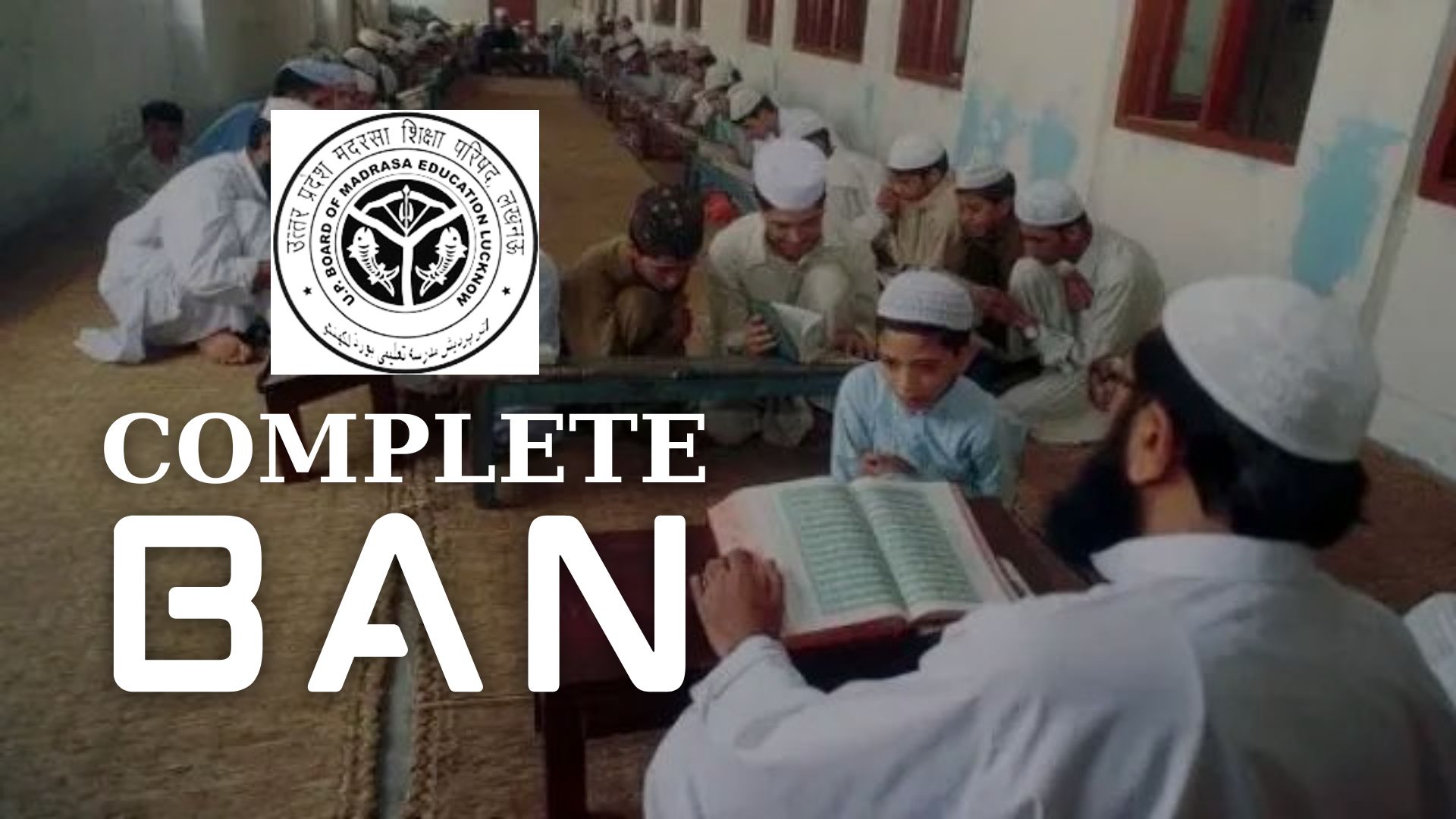
The recent ruling by the Lucknow bench of the Allahabad High Court declaring the Uttar Pradesh Board of Madarsa Education Act, 2004, as unconstitutional has ignited a significant debate on the state’s educational framework. This landmark decision stems from a petition challenging the Act’s validity, and it has far-reaching implications not only for the governance of madarsas but also for minority education rights and governmental oversight. 

Background of the Case

The Uttar Pradesh Board of Madarsa Education Act, 2004, was enacted to regulate and govern the functioning of madarsas, Islamic educational institutions, in the state of Uttar Pradesh. The Act aimed to provide a framework for the accreditation, curriculum development, and administration of these institutions under the auspices of the Uttar Pradesh Board of Madarsa Education. It delineated the powers and responsibilities of the Board, as well as the rights and obligations of madarsas operating within its purview.

RelatedPosts

Which Cities Will Become NCR’s New ‘Namo Cities’? The Race for India’s Next Urban Hubs Begins

From Displacement to Ownership: Yogi Government to Hand Land Rights to 1,645 Pakistan-Origin Families in Rehabilitation Initiative

‘Come, Give Me a Hug’: Ghaziabad Teen Lured by Former Muslim Friends on Eid, Taunted Over Halal Before Fatal Knife Attack

Load More

However, the constitutional validity of this Act came under scrutiny when Anshuman Singh Rathore filed a petition challenging its provisions. Rathore’s petition raised concerns about the Act’s compatibility with fundamental rights enshrined in the Constitution of India, particularly those pertaining to educational rights, minority rights, and equality before the law. The petition argued that certain provisions of the Act infringed upon these constitutional guarantees, thereby rendering the entire Act unconstitutional.

In response to the petition, the Lucknow bench of the Allahabad High Court undertook a thorough scrutiny of the Uttar Pradesh Board of Madarsa Education Act, 2004, and its provisions. The court examined the legislative intent behind the Act, its impact on the rights of madarsa students and administrators, and its alignment with constitutional principles. The scrutiny involved an analysis of legal precedents, relevant statutes, and constitutional provisions to assess the Act’s validity.

Through this process, the High Court deliberated on various aspects of the Act, including its provisions related to accreditation, curriculum development, and administrative oversight. It evaluated whether these provisions adequately safeguarded the rights of students and maintained the secular character of education in line with constitutional mandates. Additionally, the court considered the Act’s implications for minority education rights and the broader educational landscape of Uttar Pradesh.

The Controversy Surrounding Madarsa Education

Madarsas, or Islamic educational institutions, have a long-standing history in India, dating back several centuries. Originating during the medieval period, madarsas served as centers of learning where students received instruction in Islamic theology, jurisprudence, Arabic language, and other related subjects. Over time, madarsas diversified their curriculum to include modern subjects alongside traditional religious education.

In recent years, both central and state governments in India have undertaken initiatives to regulate and modernize madarsa education. These initiatives have included efforts to standardize curricula, improve infrastructure, and integrate modern subjects into madarsa syllabi. Additionally, governments have scrutinized the funding sources of madarsas to ensure compliance with legal and financial regulations.

Concerns Over Transparency, Accountability, and Integration

One of the primary concerns surrounding madarsa education relates to transparency and accountability in governance and funding. Critics have argued that some madarsas may lack adequate oversight mechanisms, leading to potential misuse of funds or deviations from prescribed educational standards. Moreover, there have been calls for greater integration of madarsa education with mainstream educational systems to ensure that students receive a well-rounded education that prepares them for modern employment opportunities and societal integration.

Curriculum and Modernization

Another point of contention has been the curriculum taught in madarsas. While traditional religious education remains a core component, there have been calls for incorporating modern subjects such as mathematics, science, English, and social studies to equip students with skills relevant to contemporary society. Efforts to modernize madarsa curricula have been met with both support and resistance from various stakeholders, highlighting the complex interplay between religious tradition and educational reform.

Rationale Behind the High Court’s Decision

The rationale behind the Lucknow High Court’s decision to declare the Uttar Pradesh Board of Madarsa Education Act, 2004, as unconstitutional can be understood through the legal arguments presented in the petition, the examination of the Act’s alignment with constitutional principles, and the critique of the Act’s placement under the state minority welfare ministry.

Legal Arguments Presented in the Petition

The petition likely argued that certain provisions of the Madarsa Education Act violated fundamental rights guaranteed by the Constitution of India, such as the right to equality (Article 14), the right to freedom of religion (Article 25), and the right to education (Article 21A).

It may have contended that the Act’s regulations disproportionately targeted madarsas, thereby discriminating against them based on religious affiliation, which contravenes the principles of equality and non-discrimination enshrined in the Constitution.

The petition might have raised concerns about the Act’s potential infringement on the autonomy of madarsas and their ability to impart religious education without undue interference from the state.

Examination of the Act’s Alignment with Constitutional Principles:

The High Court likely conducted a detailed examination of the provisions of the Madarsa Education Act in light of constitutional principles and precedents established by previous judicial decisions.

It may have scrutinized whether the Act’s regulations were reasonable, non-arbitrary, and proportionate to the objectives sought to be achieved, as per the standards set by the Constitution.

The court might have assessed whether the Act adequately protected the rights of individuals and institutions, including students, teachers, and administrators associated with madarsas, in accordance with constitutional guarantees.

Critique of the Act’s Placement 

The High Court might have questioned the rationale behind placing the regulation of madarsas under the state minority welfare ministry instead of the education department.

It may have observed that such placement could raise concerns about the impartiality and neutrality of regulatory oversight, particularly if it leads to differential treatment of madarsas compared to other educational institutions.

The court might have emphasized the importance of ensuring that regulatory frameworks for educational institutions, including madarsas, are administered in a manner consistent with constitutional principles of secularism, equality, and non-discrimination.

Implications of the Ruling

The ruling by the Lucknow High Court declaring the Uttar Pradesh Board of Madarsa Education Act, 2004, as unconstitutional carries significant implications for madarsa students and institutions, as well as broader considerations regarding minority education rights and governmental oversight.

Immediate Impact on Madarsa Students and Institutions

Madarsa students and administrators may face uncertainty regarding the future of their educational institutions, as the legality of the regulatory framework governing madarsas comes into question.

Institutions may need to adapt their operations and curricula in response to the ruling, potentially leading to administrative challenges and disruptions in educational delivery.

Financial implications may arise for madarsas dependent on government funding or accreditation under the now-invalidated Act, necessitating alternative sources of support or restructuring.

Potential Challenges in Accommodating Students in Other Schools

With the Madarsa Education Act being declared unconstitutional, there may be a need to accommodate madarsa students in mainstream educational institutions.

This transition could pose logistical challenges, including issues related to enrollment capacity, infrastructure, and cultural integration.

Mainstream schools may require additional resources and support to effectively cater to the needs of incoming madarsa students, particularly in terms of addressing potential gaps in educational attainment and linguistic proficiency.

Larger Implications for Minority Education Rights and Governmental Oversight:

The ruling raises broader questions about minority education rights and the role of the state in regulating religious educational institutions.

It underscores the importance of ensuring that regulatory frameworks respect the autonomy and religious freedoms of minority communities while upholding constitutional principles of equality and non-discrimination.

Governmental oversight mechanisms for educational institutions, particularly those catering to minority communities, may come under increased scrutiny, with calls for greater transparency, accountability, and adherence to constitutional norms.

Also Read: The ED, Arvind Kejriwal’s Arrest and The AAP’s Cry Out For Help

Debates and Responses

The ruling by the Lucknow High Court on the Uttar Pradesh Board of Madarsa Education Act, 2004, has sparked debates and elicited responses from various stakeholders, including the government, religious leaders, educators, and civil society. These reactions reflect differing perspectives on minority education governance, state intervention, and the future prospects for madarsa education reform in Uttar Pradesh and beyond.

Reactions from Various Stakeholders

Government: The government may respond by considering options for legislative amendments or alternative regulatory frameworks to address the concerns raised by the court’s decision. There may be efforts to engage with madarsa representatives and other stakeholders to find consensus on reforms.

Religious Leaders: Religious leaders may express concerns about potential encroachments on religious freedoms and autonomy in education. They may advocate for measures to safeguard the integrity of madarsa education while addressing any legitimate regulatory concerns.

Educators: Educators may welcome the opportunity for dialogue and reform to enhance the quality and inclusivity of madarsa education. They may emphasize the importance of modernizing curricula and ensuring that madarsa students receive a well-rounded education that prepares them for the challenges of the contemporary world.

Civil Society: Civil society organizations may advocate for transparency, accountability, and the protection of minority rights in educational governance. They may monitor government responses to the court’s ruling and push for meaningful reforms that address systemic inequalities in education.

Debates Surrounding Minority Education Governance and State Intervention

The ruling may reignite debates about the appropriate balance between religious autonomy and state intervention in minority education governance. Some may argue for greater state oversight to ensure educational quality and adherence to secular principles, while others may advocate for preserving the autonomy of religious educational institutions.

Questions may arise about the role of the state in promoting inclusivity and diversity in education, particularly concerning minority communities. Debates may center on the need to address systemic barriers to access and opportunities faced by marginalized groups.

Discussions may also touch upon broader issues of social justice, equity, and representation in educational policymaking, highlighting the importance of inclusive decision-making processes that involve diverse stakeholders.

Future Implications

The ruling presents a pivotal moment for reform in madarsa education, not only in Uttar Pradesh but nationwide. Future initiatives must focus on modernizing curricula, enhancing teacher training, and improving infrastructure. Collaborative efforts among madarsa authorities, government agencies, and civil society are crucial for successful reform. Moreover, this ruling can catalyze broader discussions on religious education’s role in pluralistic societies, emphasizing mutual understanding and respect. Balancing religious rights with educational standards is key for inclusivity and diversity in education. Recommendations include promoting diversity in curriculum, supporting teacher training, and investing in infrastructure. By fostering collaboration, we can create an inclusive educational environment promoting academic excellence and social cohesion.

In conclusion, Allahabad High Court’s ruling declaring the Uttar Pradesh Board of Madarsa Education Act, 2004, as unconstitutional underscores the need for reform in minority education governance. It emphasizes the importance of upholding constitutional principles while ensuring equitable access to quality education for all. Moving forward, there is a critical need for informed dialogue and constructive action among stakeholders to address systemic challenges, promote inclusivity, and safeguard religious freedoms. By working collaboratively, we can develop policies that respect diversity, uphold educational standards, and empower every student to realize their full potential in a pluralistic society.

Also Read: India’s Strong Message to US, “Enough is Enough and Stop Interfering”

Tags: Allahabad High CourtMadarsa BoardMadarsa Education ActUttar Pradesh
ShareTweetSend
Previous Post

BC Game: Promising Crypto Betting Site

Next Post

China Got No Chills! Now, It’s Time For A Cyber-Warfare Then?

Related Posts

Security Architecture Fortified Across Delhi And Uttarakhand After Intelligence Flags Possible Khalistani-linked Threat To Temples, Railway Networks And Public Congregation Zones
Politics

Security Architecture Fortified Across Delhi And Uttarakhand After Intelligence Flags Possible Khalistani-linked Threat To Temples, Railway Networks And Public Congregation Zones

27 June 2026

Delhi and Uttarakhand have been brought under an elevated security paradigm following intelligence inputs indicating a potential terror threat...

Hindu Women Targeted? Kota Cyber Arrest Sparks Fierce Controversy Over Digital Identity Fraud, Blackmail and Religious Conversion
Trending

Hindu Women Targeted? Kota Cyber Arrest Sparks Fierce Controversy Over Digital Identity Fraud, Blackmail and Religious Conversion

27 June 2026

A case registered at Vigyan Nagar police station has intensified after the arrest of Manish Sharma, a Kota resident...

8th Pay Commission Update: Salary Hike Demands, Fitment Factor Debate and State-Level Consultations Intensify as Key Decisions Near
Trending

8th Pay Commission Update: Salary Hike Demands, Fitment Factor Debate and State-Level Consultations Intensify as Key Decisions Near

27 June 2026

The 8th Pay Commission has entered a crucial phase of stakeholder engagement, with discussions spanning salary revision demands, fitment...

Load More

Leave a Reply Cancel reply

Your email address will not be published. Required fields are marked *

I agree to the Terms of use and Privacy Policy.
This site is protected by reCAPTCHA and the Google Privacy Policy and Terms of Service apply.

Currently Playing

Nepal's Natural Ally: Why India, Not China ? Indo-Nepal

Nepal's Natural Ally: Why India, Not China ? Indo-Nepal

00:04:05

Pakistan’s Investment Rescue Plan or Another Economic Promise? Munir | Sharif

00:03:41

Gilgit Baltistan's Youth Rising: The Fight for Dignity, Rights and Self Governance

00:03:08

Doklam’s Legacy: How the 2017 Standoff Reshaped Himalayan Security and Border Tensions। Indo china

00:03:11

Inside the Doklam Face-Off: How India Backed Bhutan and Held the Line During the 73 Day Standoff

00:03:11
Facebook Twitter Instagram Youtube
tfipostTfipost.com
Right Wing | News Analysis | Indian Opinion
  • About us
  • Contact Us
  • Careers
  • Brand Partnerships
  • Terms of use
  • Privacy Policy
  • Sitemap

©2026 TFI Media Private Limited

No Result
View All Result
  • Premium
  • Politics
    • Analysis
    • Opinions
    • Trending
  • Economy
    • Business
    • Finance
  • Defense
    • Defence
    • Strategy
    • Weaponry
  • Geopolitics
    • Africa
    • Americas
    • Asia Pacific
    • Europe
    • South Asia
    • West Asia
  • Knowledge
    • Culture
    • History
    • Indology
  • Law
  • Lounge
    • Books
    • Cinema
    • Food
    • Health
    • Sports
    • technology
    • Travel
    • Satire
TFIPOST हिन्दी
TFIPOST Global

©2026 TFI Media Private Limited