
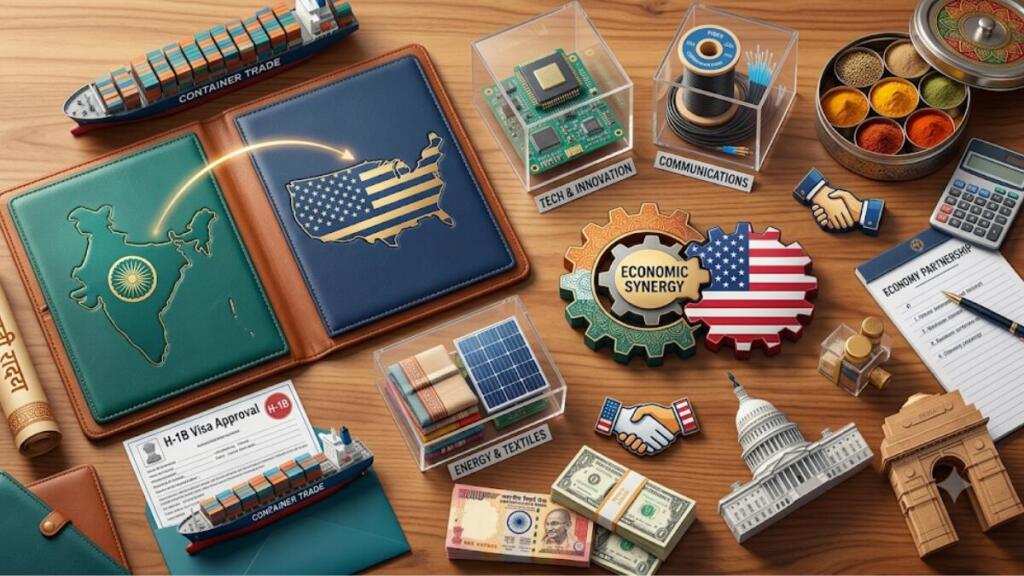
India’s diplomatic establishment is treating the US midterm result as a chance to widen its options in Washington after a turbulent stretch in ties under Donald Trump. Officials say they plan to open channels with Democratic lawmakers.
Officials in South Block, who followed the count through Tuesday night, told The Indian Express they were “cautiously optimistic” about the outcome. They described the past 18 months of bilateral relations as rocky. One Indian diplomat said it was time to approach Democratic members who had been in the minority, and that this should be done before the next election cycle begins.
Why Delhi sees an opening
Officials said India spent the past year raising its concerns over H-1B curbs and OPT restrictions with members of both parties. Those appeals made little headway under a Republican Congress, where hardline figures such as Stephen Miller and Tom Homan shaped immigration policy, they said. They now expect a more sympathetic hearing from many Democrats.
Sources in the capital told Business Standard that Indian diplomats and industry bodies plan to engage Congress more actively on tariffs and visas, and to step up outreach to key American states. The same report said Delhi is weighing a revival of a parallel dialogue with the Democrats on immigration, trade and energy.
Officials told The Indian Express that India will not lobby openly. It will seek out lawmakers on specific concerns, including racism against Indians and last month’s targeted attacks on a temple. Ambassador Vinay Mohan Kwatra and his team are expected to begin meetings on the Hill in the coming days.
What shaped the mood
Outside analysts point to months of friction. Al Jazeera’s pre-election analysis listed the irritants as punitive tariffs, stalled trade talks and pressure to stop buying Russian oil. It also cited Trump’s claims of mediating the 2025 India-Pakistan ceasefire, higher H-1B fees and the wider immigration crackdown.
Speaking to Al Jazeera ahead of the vote, Milan Vaishnav of the Carnegie Endowment said a weakened Trump “would be in India’s interests”. He added that many lawmakers, Democrats and Republicans alike, are angry at how the administration has handled the relationship. They may criticise India’s politics and economy, he said, but still back the partnership.
Scrutiny and limits
Officials cautioned that a Democratic-led Congress will also bring harder questions about the Indian government’s handling of domestic politics. That friction has already surfaced. Last month, Congresswoman Pramila Jayapal voiced deep concern over the special intensive revision of voter rolls in India. Kwatra called her remarks unacceptable interference in India’s internal affairs. He said India has independent constitutional institutions and a long record of free and fair elections, and offered to talk to her to clear up what he termed misconceptions.
Other analysts urge restraint. Outlook India reported that a Democratic Congress could constrain Trump but is unlikely, on its own, to resolve the underlying disagreements. It quoted Washington-based analyst Michael Kugelman as less optimistic than some of his peers.