
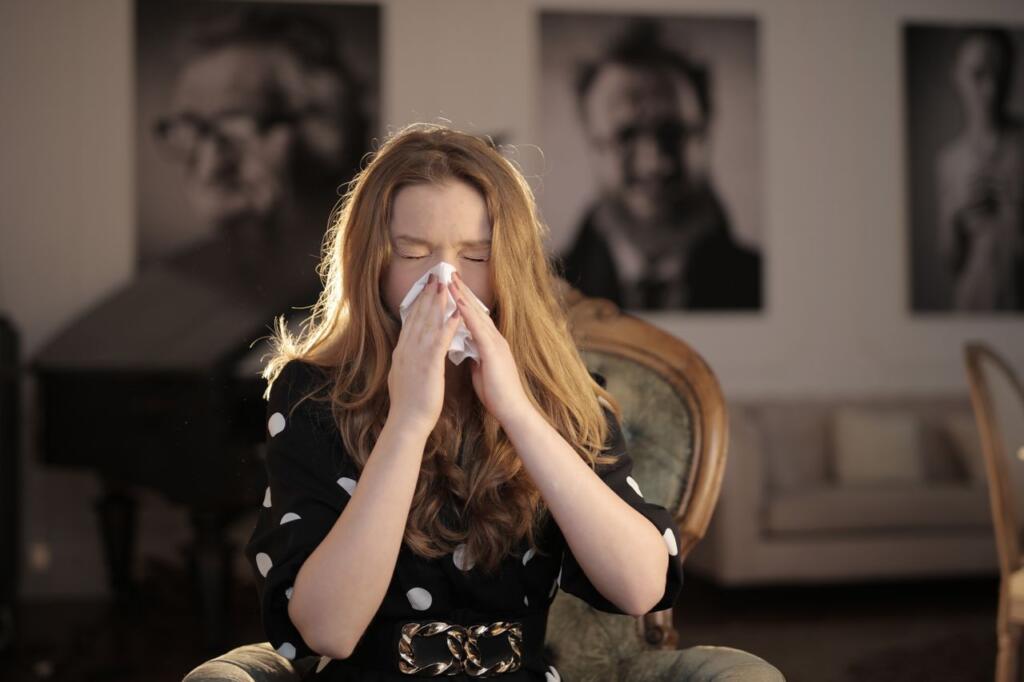
Every year, as the seasons shift, many people start sneezing, rubbing itchy eyes and reaching for tissues. Pollen in spring, damp and mould during the monsoon and dust in the dry months can all trigger symptoms. Seasonal allergies are rarely dangerous, but they can disrupt sleep, work and daily life for weeks at a time. A few simple home measures can ease symptoms, though it’s equally important to know when they aren’t enough.
What Happens During an Allergic Reaction
An allergy is the immune system overreacting to a substance that’s usually harmless, such as pollen, dust mites, mould spores or animal dander. The body releases chemicals like histamine, which cause sneezing, a runny or blocked nose, itchy eyes and throat, and sometimes coughing.
Seasonal symptoms often look like a cold, but they tend to last longer and come back at the same time each year. Colds also often bring fever and body aches, which allergies usually don’t. If you’re unsure, a doctor can help tell the two apart, and it’s worth knowing beforehand whether your medical insurance covers outpatient consultations, since many standard policies don’t.
Rinse Your Nose With Saline
Salt-water nasal rinses are one of the most widely used home measures for allergy symptoms. Rinsing the nose with a sterile salt-water solution can help clear pollen and mucus and ease congestion. You can buy ready-made saline sprays or rinse kits from a pharmacy.
If you prepare your own solution, use boiled and cooled water or sterile water, never water straight from the tap, and keep the rinse bottle clean. Home measures like this can help with mild symptoms, but they don’t replace medical advice. If you have a nasal condition, a recent ear infection or any doubts about rinsing, check with a doctor or pharmacist before you start, and stop if it causes discomfort.
What Health Cover Usually Pays For
Most allergy care happens outside hospital, through consultations, tests and medicines. Standard hospitalisation policies often don’t cover outpatient costs unless they include a specific OPD benefit. Diagnostic tests done without hospital admission may also be excluded. Some plans offer an OPD add-on or wellness benefits, but limits on these are usually modest.
If a severe reaction or an asthma attack leads to hospital admission, the treatment may be covered, subject to waiting periods, exclusions and the sum insured. When comparing individual health insurance policies, check whether OPD cover, diagnostic tests and pre-existing conditions such as asthma are covered, and read the policy wording and the Customer Information Sheet before buying.
Reduce Exposure at Home
Keeping allergens out of your living space can make a real difference. Close windows on high-pollen or dusty days, especially early in the morning. Shower and change clothes after spending time outdoors, so you don’t carry pollen into your bedroom.
Wash bedding weekly in hot water to reduce dust mites. Vacuum or damp-mop floors rather than dry-sweeping, which stirs dust into the air. If your budget allows, an air purifier with a HEPA filter in the bedroom may help some people.
Manage Damp and Mould During the Monsoon
India’s monsoon brings humidity that encourages mould growth on walls, bathrooms and behind furniture. Mould spores are a common trigger for allergy symptoms and can worsen asthma.
Fix leaks promptly, keep bathrooms ventilated and dry damp clothes outside or in a well-ventilated space. Clean visible mould with appropriate cleaning products, and consider a dehumidifier in rooms that stay damp for long periods.
Soothing Measures for Comfort
Steam inhalation from a bowl of hot water may help loosen a blocked nose, though take care to avoid burns, particularly with children and older adults. Warm fluids, such as soups or herbal teas, can soothe an irritated throat and help you stay hydrated.
A cool compress over closed eyes can relieve itching. Avoid rubbing your eyes, which can make irritation worse. Some people try remedies such as local honey, but scientific evidence for these is limited, and honey must never be given to infants under one year.
When Home Remedies Aren’t Enough
Seek medical advice if symptoms last for weeks, disturb your sleep or work, or don’t improve with simple measures. A doctor may recommend antihistamines, nasal sprays or allergy testing to identify specific triggers.
Some symptoms need urgent attention. Wheezing, difficulty breathing, chest tightness, swelling of the face or throat or a widespread rash after exposure to a trigger can signal a severe reaction. Call emergency services or go to the nearest hospital straight away.
Common Mistakes to Avoid
A common mistake is using over-the-counter decongestant nasal sprays for long periods. Overuse can make congestion worse once you stop, so follow the label or a doctor’s advice. Another is assuming every sneeze is an allergy and ignoring signs of infection, such as fever or thick, discoloured mucus that lasts several days.
Many people also stop preventive measures once they feel better, only for symptoms to return. Keeping up simple habits throughout the allergy season usually works better than reacting only when symptoms flare.
Seasonal allergies can be frustrating, but small changes at home often make them easier to live with. Pay attention to how your body responds, and see a doctor when simple measures don’t bring relief.