





















As Chhath Puja enters its second day on Saturday, devotees are observing Kharna, the ritual that precedes a 36-hour fast without food or water. The four-day festival, especially important in Bihar, Jharkhand and eastern Uttar Pradesh, honours Surya Dev, the Sun God, and Chhathi Maiya through prayers for health, prosperity and the well-being of families.
Why Chhath honours the setting and rising Sun
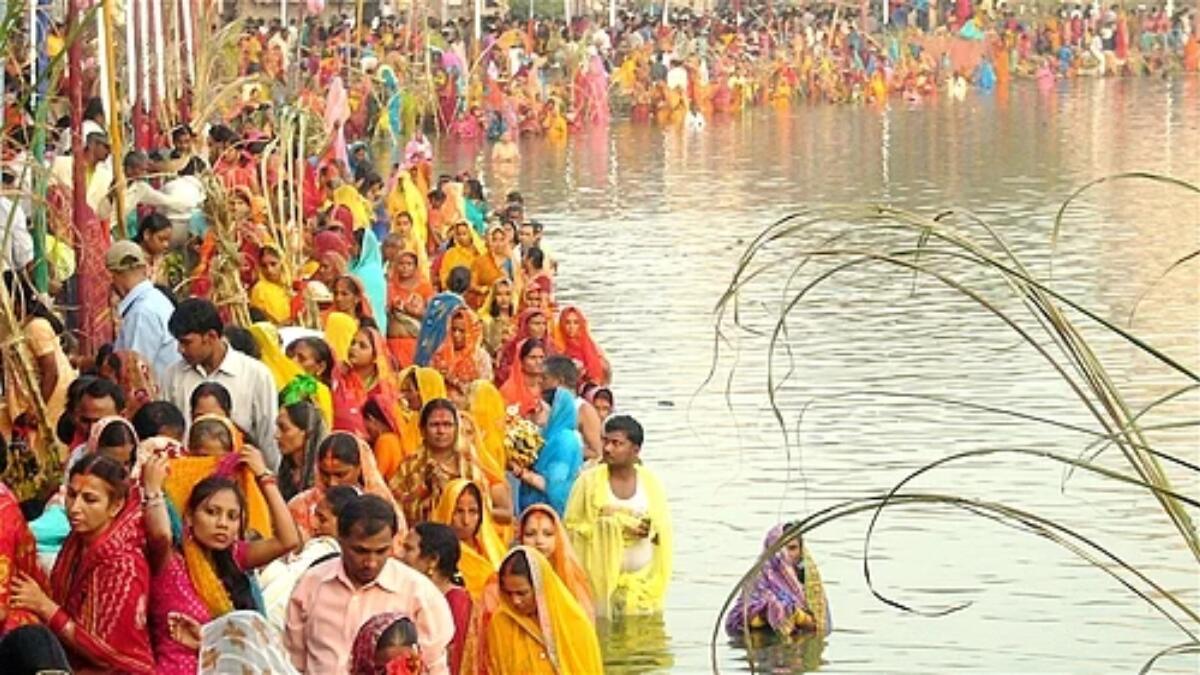
One of Chhath’s most distinctive features is that its principal ceremonies take place beside rivers, ponds and other water bodies. Devotees offer arghya, a ritual offering of water, to the setting Sun and then to the rising Sun the following morning.
The Sun is revered in Hindu tradition as a source of light, warmth and life. Its role in sustaining crops and shaping the seasons also gives Chhath an agricultural dimension. The evening offering is commonly understood as an expression of gratitude for the day’s blessings, while the morning ritual represents renewal, continuity and hope.
The festival’s main worship falls on Kartik Shukla Shashthi, the sixth lunar day of the bright fortnight of Kartik, shortly after Diwali. A separate observance, Chaiti Chhath, takes place in spring.
Chhathi Maiya and the stories behind the festival
Chhathi Maiya is revered in regional folk traditions as a maternal guardian who protects children and blesses families. She is associated in some traditions with Shashthi Devi, worshipped for children’s welfare and longevity.
Several legends surround the festival. One tradition links Sun worship to Rama and Sita after their return to Ayodhya, while another recalls Karna, the Mahabharata warrior described as the son of Surya. These are religious accounts, not evidence of a single, historically established origin.
Why Kharna is important
Kharna, also known as Lohanda, marks the shift from the festival’s initial preparations to its strictest observance. On Saturday, November 14, devotees undertaking the fast, called vratis, refrain from eating during the day before conducting evening prayers.
They prepare prasad, or food offered in worship, traditionally including jaggery-sweetened rice kheer, wheat rotis and fruit. Particular care is taken over cleanliness and the preparation of offerings. After the prayers, devotees eat the prasad and share it with relatives and neighbours.
That evening begins the nirjala fast of about 36 hours, when vratis abstain from both food and water until the final sunrise rituals on November 16. For worshippers, this discipline expresses devotion, restraint and spiritual commitment.
The four days of Chhath Puja 2026
The observance began on Friday, November 13, with Nahay Khay: ritual bathing, cleaning homes and kitchens, and eating a simple satvik meal that often includes rice, chana dal and pumpkin.
Saturday is Kharna, followed on Sunday, November 15, by Sandhya Arghya, when devotees gather at water bodies to honour the setting Sun. Families bring bamboo baskets and trays containing sugarcane, seasonal fruits, coconuts and thekua, a traditional wheat-flour sweet.
On Monday, November 16, devotees offer Usha Arghya to the rising Sun. They then perform parana, breaking the fast and distributing the offerings.
A festival sustained by families and communities
Preparations are often collective. Relatives help prepare food, neighbourhood volunteers organize the ghats (riverside steps), and traditional folk songs accompany the rituals. The festival has travelled with communities from its traditional heartland to cities across India and overseas.
Simplicity and shared participation are important features of Chhath, while cleanliness and discipline remain central to the observance.
Chhath’s emphasis on sunlight, water and seasonal produce also reflects reverence for nature, although its observance does not automatically produce environmental benefits.
The festival’s deeper significance lies in gratitude for life’s sustaining forces and in hopes for the health and future of the next generation.