
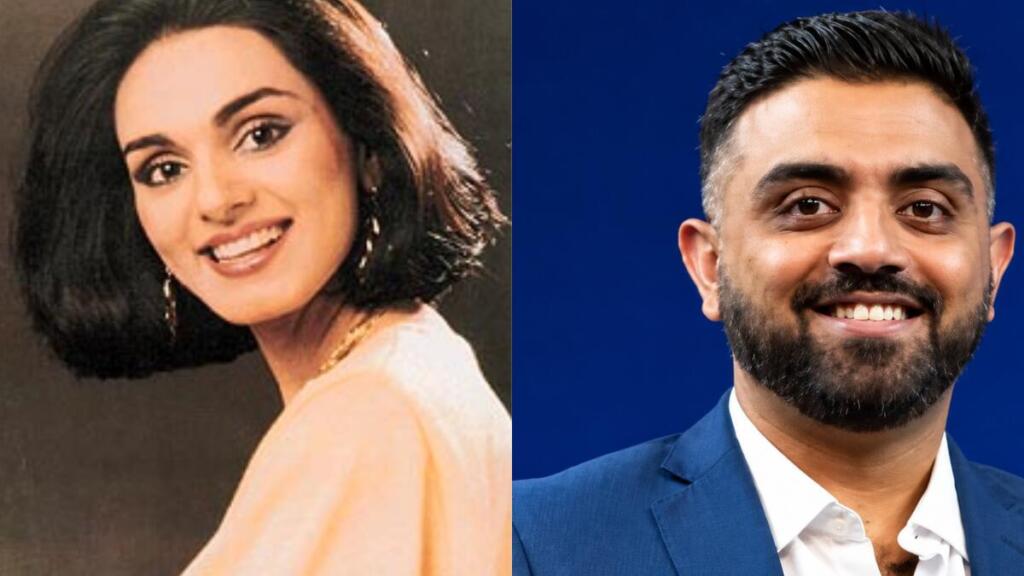
Captain Smit Machchhar is still recovering from a cockpit attack, and India is already asking whether he should get its highest peacetime gallantry award. The comparison being made is with Neerja Bhanot, the only civilian aviation figure to have received it.
Machchhar may be considered for the Ashoka Chakra, with Prime Minister Narendra Modi personally leading the tributes and leaders across party lines hailing him. The Gujarat government has announced a state honour, the Vishisht Gujarat Garima Award.
None of this is a formal decision. The call for the Ashoka Chakra is so far only a public and social media request, and there is no official information that he will be given the award.
What happened on FZ1073
Flydubai FZ1073 was flying from Dubai to Tel Aviv with 174 people on board when a confrontation broke out in the cockpit. Israeli officials say the aircraft dropped from 33,000 feet to 17,000 feet within a minute. They say the wounded Machchhar activated the door release, letting passengers and crew in to overpower the co-pilot. Israeli Prime Minister Benjamin Netanyahu said Machchhar’s actions prevented a catastrophic mid-air disaster.
Much remains unverified. Flydubai has confirmed the altercation, the diversion and the safe landing, but says the reasons and motives remain unknown. The allegations have not been independently established.
What Neerja Bhanot did
On 5 September 1986, Bhanot was the senior flight purser on Pan Am Flight 73 when four armed men hijacked the Boeing 747 at Karachi, starting a 17-hour crisis. She alerted the pilots with the hijack warning code, which let them escape through the cockpit hatch and kept the hijackers from taking control of the aircraft. She was shot while trying to protect three children and died two days before her 23rd birthday. In 1987 she was posthumously awarded the Ashoka Chakra, becoming its youngest recipient and the first woman to receive it.
What the award is, and who can get it
The Ashoka Chakra is awarded for the most conspicuous bravery, or some act of daring, pre-eminent valour or self-sacrifice. It ranks below the Param Vir Chakra in precedence but is considered its peacetime equivalent.
On eligibility: it can go to members of the armed forces, and also to any civilian at the discretion of the Government of India. So Machchhar’s civilian status is not a bar, but the route is discretionary and rare. Only two women have ever received it: Bhanot in 1987 and police constable Kamlesh Kumari in 2001. Below it sit the Kirti Chakra and Shaurya Chakra, the other two classes of peacetime gallantry award.
How strong is the parallel?
The similarities are real. Both were crew members who acted to protect passengers during a violent attack. Bhanot worked for a foreign carrier, Pan Am, and Machchhar for a UAE one, so employment abroad has not stopped India from honouring one of its citizens before.
There are also differences:
- Survival. Bhanot died, and her award was posthumous. Machchhar survived. The award description doesn’t restrict it to the dead, but the Bhanot case sets no precedent for a living recipient.
- The facts. Bhanot’s case was a hijacking by armed men, well documented and decided within a year. Machchhar’s account rests largely on Israeli officials and passenger statements, and the motive is still unclear.
- Jurisdiction. The incident ended in Saudi Arabia, on a foreign airline, so the Indian government would have to build its case from foreign investigators’ findings.
A recommendation would need to come from the government, and the findings of the investigation will likely shape how strong the case looks. If the facts hold up, Machchhar’s case would be only the second involving aviation. If the investigation complicates the account, a lower class of gallantry award may be the more likely outcome.