
Washington is preparing a $2.8 billion Arms Sale to Israel that would include 40,000 powerful 2,000-pound bombs, according to US officials familiar with the proposal. The package, which has been informally communicated to relevant congressional committees but is not yet final, would provide Israel with 20,000 MK84 bombs and 20,000 BLU-117 bombs as the conflict in Gaza continues to cast a long shadow over American policy in the Middle East.
The proposed deal has attracted attention because the same category of heavy bombs became a major point of controversy during the Biden administration. In 2024, President Joe Biden’s administration paused a shipment of 2,000-pound bombs to Israel over concerns about their potential use in densely populated areas of Gaza. After Donald Trump returned to the White House, that hold was lifted, opening the way for further transfers.
The latest Arms Sale would be financed largely through US foreign military financing, meaning American government funds would help Israel purchase weapons produced in the United States. Congressional committees have been informally notified, although the proposal still has to move through the applicable process before it becomes a completed transaction. The State Department and Israeli embassy did not immediately provide public comments on the reported package.
The scale of the planned shipment is significant. MK84 bombs weigh 2,000 pounds and can produce extensive blast and fragmentation effects, while BLU-117 bombs are also 2,000-pound-class munitions. Different versions can be configured for different military purposes, including striking structures or targets believed to be underground. Their destructive potential has made their use in urban warfare a particularly sensitive issue.
The proposed Arms Sale comes as Gaza remains at the centre of intense international scrutiny. The war began after the Hamas-led October 7, 2023, attack on southern Israel, in which about 1,200 people were killed and 251 people were taken hostage, according to Israeli figures cited by US news agencies. Israel responded with a major military campaign in Gaza. Gaza’s Health Ministry says more than 73,000 Palestinians have been killed in the conflict, a figure that does not distinguish combatants from civilians.
Humanitarian organisations and rights experts have repeatedly raised concerns about the consequences of using large bombs in heavily populated areas. Analysts examining strike footage and fragments recovered from attack sites have identified US-made munitions among weapons believed to have been used in Gaza. Israel maintains that its military operations are directed at Hamas and other armed groups, and says it does not intentionally target civilians.
The new Arms Sale also arrives against a broader backdrop of expanding US-Israeli military cooperation. The Trump administration previously approved a nearly $3 billion weapons package for Israel that included more than 35,500 of the same class of bombs, according to reports. In January, Washington also approved another series of Arms Sale arrangements worth $6.67 billion, further underlining the scale of American military assistance to its Israeli ally.
The proposed package is also being discussed at a moment of wider regional instability. The United States and Israel launched military action against Iran earlier this year, followed by Iranian strikes against Israel and Gulf states hosting US military facilities. Israeli military operations have also continued in Lebanon. These developments have complicated the regional security environment and increased attention on Washington’s decisions about weapons transfers.
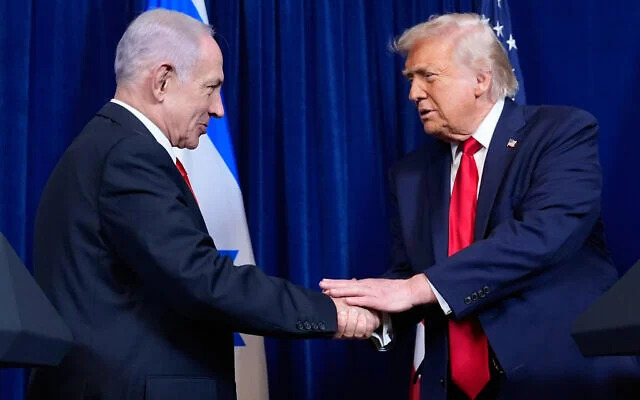
For the Trump administration, the planned Arms Sale represents continued military backing for Israel despite the political and humanitarian controversy surrounding the Gaza conflict. It also indicates that disagreements between Trump and Israeli Prime Minister Benjamin Netanyahu over aspects of regional policy have not displaced the broader strategic relationship between Washington and Jerusalem.
For Israel, the proposed delivery would provide a substantial stock of heavy munitions at a time when its military remains engaged on multiple fronts. For critics, however, the planned Arms Sale raises questions about civilian protection, American responsibility and how such weapons might be employed in densely populated areas. Those competing concerns are likely to remain part of the congressional and public debate as the proposal moves through the US approval process.