
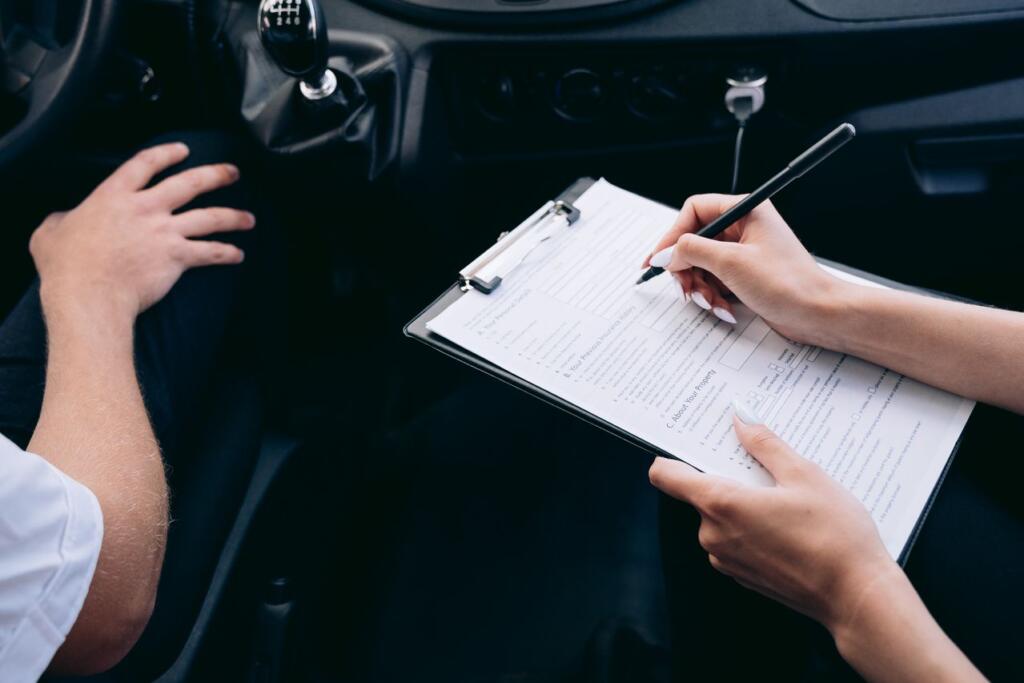
Third-party insurance does what the law asks it to do. Nothing more, nothing less. If you damage someone else’s car or property, it steps in. But if your own car gets scratched in traffic, flooded after one monsoon evening, or ends up with a cracked bumper in a parking lot, the repair bill usually waits for you.
This is where a comprehensive car insurance policy earns its place. It protects you from third-party liabilities and covers damage to your own car.
What Does a Comprehensive Car Insurance Policy Cover?
Before you compare plans and premiums, it helps to know what a comprehensive car insurance policy actually puts on the table:
What is Covered |
Own damage from accidents |
Fire and explosion |
Natural calamities |
Theft |
Vandalism and riots |
Third-party liability |
What Should You Be Checking Before You Buy a Car Insurance Policy?
Marketing banners are an easy way to convince you. What actually matters is how the insurer behaves when you need them. Before you sign up for any car insurance policy, verify these things first:
- Claim Settlement Ratio: This tells you what percentage of claims the insurer settles each year. A higher ratio means you are less likely to be left fighting for your money when a claim comes in.
- Cashless Garage Network: A wide network of partner workshops means your car gets repaired without you paying the bill upfront. Look for an insurer with garages close to where you live and commute.
- Customer Support Hours: Accidents can not only happen during office hours. Choose a provider with round-the-clock digital support and a simple claims process, so you are not stuck waiting for help when you need it most.
How Do You Balance the Premium Cost Against What the Policy Actually Covers?
The premium for your car insurance policy is built around a number called the Insured Declared Value, or IDV. This is the current market worth of your car after accounting for depreciation. It directly influences both the premium and the potential payout.
Say you own a three-year-old hatchback. Declaring a lower IDV brings down your annual premium, which sounds appealing. But if the car is declared a total loss after an accident, that lower IDV becomes your settlement amount. The gap between what you saved on the premium and what you lost on the claim can be quite significant.
Inflating the IDV does not work in your favour either. Insurers pay only up to the actual market value at the time of the claim, so a higher declared value just means a higher premium with no added payout benefit. Declaring the accurate value is genuinely the most cost-effective approach.
Which Add-On Covers are Actually Worth the Extra Cost for Your Car?
A standard comprehensive car insurance policy covers the big risks. But the right add-ons fill in the gaps that most people only notice after a claim is rejected. Here are the ones worth considering:
| Add-On Cover | What It Does for You |
| Zero depreciation cover | Pays the full replacement cost of plastic and rubber parts without deducting wear and tear |
| Engine protection cover | Covers internal engine repairs if waterlogging causes a hydrodynamic lock during heavy rains |
| Roadside assistance | Sends help for towing, flat tyre fixes, or emergency fuel delivery when you are stranded |
| Consumables cover | Takes care of recurring repair expenses like engine oil, nuts, bolts, and brake fluid |
Conclusion
The best car insurance policy is usually the one that matches how you actually drive and where you drive. A city commuter may prioritise cashless garages and roadside assistance. Someone in flood-prone areas may care more about engine protection.
A good comprehensive car insurance policy helps make difficult situations feel a little less stressful and a lot more manageable when something unexpected happens.