
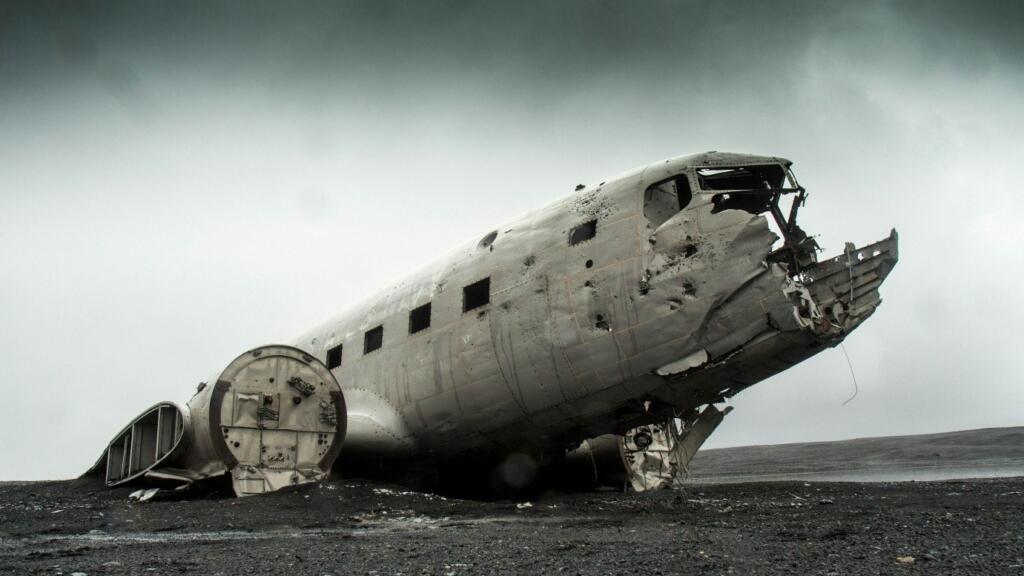
Aviation accidents are rare but often devastating when they occur. When a crash or serious incident injures passengers or crew, victims and their families face physical, emotional, and financial challenges. Understanding what to expect during an aviation accident lawsuit helps injured parties prepare for a complex legal journey and seek the compensation they deserve.
Aviation accidents often involve multiple parties, detailed investigations, and strict deadlines, making prompt legal guidance essential. Early preparation helps preserve evidence and increases the likelihood of fair compensation. Victims and their families benefit from knowing the process and their rights from the start.
These cases typically require thorough investigation, expert analysis, and careful navigation of legal procedures from start to finish. From filing a claim to engaging in discovery, negotiations, and possibly trial, each step can significantly impact the outcome. Being informed about the process helps victims make better decisions and strengthens their ability to pursue full and fair compensation.
What Is an Aviation Accident Lawsuit?
An aviation accident lawsuit is a legal claim brought by victims or their families after an aircraft-related incident. These lawsuits seek compensation for injuries, medical costs, lost wages, pain and suffering, and other damages caused by negligence or design flaws. Cases may involve commercial airliners, private aircraft, helicopters, or charter flights. Each type of case comes with its own legal complexities and standards of proof. Working with experienced attorneys who specialize in aviation litigation helps injured parties navigate this process effectively.
Aeroplane Accidents Leading to Legal Claims
Aeroplane accidents frequently lead to legal claims because of the severe consequences they cause. While flying is generally considered safe, accidents, when they do happen, often result in catastrophic injuries or fatalities, prompting victims or their families to pursue compensation.
Legal claims typically arise when an investigation reveals that the accident could have been prevented. Some of the most common causes that lead to lawsuits include:
- Pilot error or poor decision-making
- Mechanical failures or defective aircraft components
- Improper maintenance or repair work
- Air traffic control mistakes
- Violations of aviation safety regulations
In many cases, more than one factor contributes to the accident. This means multiple parties, such as airlines, manufacturers, or even government agencies, may be held legally responsible.
Initial Investigation and Evidence Gathering
Aviation lawsuits begin long before a complaint is filed in court. Once an accident occurs, several investigations typically start:
- Government agencies such as the National Transportation Safety Board (NTSB) and the Federal Aviation Administration (FAA) investigate causes, safety issues, and regulatory compliance.
- Aviation accident attorneys conduct independent investigations to preserve critical evidence and uncover facts that may support a lawsuit.
During this phase, attorneys gather flight records, maintenance logs, witness statements, cockpit voice recorder data, and expert opinions. Thorough evidence collection helps build a strong foundation for proving liability and quantifying damages.
Filing the Lawsuit and Legal Deadlines
After gathering initial evidence, the next step is to file a formal lawsuit in the appropriate legal forum. Where the case is filed depends on multiple factors:
- The location of the accident
- The citizenship and residence of the plaintiffs and defendants
- Applicable international treaties for flights crossing borders
Legal deadlines, known as statutes of limitations, vary by jurisdiction and type of claim. Missing these deadlines can bar a case entirely, so it is crucial to act promptly.
Pre‑Trial Discovery and Expert Involvement
Once a lawsuit is filed, both sides enter the discovery phase. This stage allows attorneys to request documents, depose witnesses, and obtain expert reports. Aviation cases rely heavily on expert testimony because of the technical nature of aircraft operations and accident causation.
Common experts include:
- Aviation safety specialists
- Aircraft design engineers
- Human factors analysts
- Medical professionals
Experts help explain complex issues such as mechanical failures, pilot actions, maintenance practices, and regulatory compliance to judges and juries.
Settlement Negotiations and Trial
Many aviation lawsuits do not reach trial. Instead, parties engage in settlement negotiations to resolve the case without needing a judge or jury decision. Mediation and negotiation occur throughout the litigation process.
Insurance companies often play a major role in settlement discussions. They may make offers based on the strength of evidence, potential liability, and projected trial outcomes. A seasoned attorney helps clients evaluate offers and decide whether a settlement is fair or if going to trial is more appropriate.
If negotiations fail, the case may proceed to trial. During trial:
- Both sides present evidence and expert testimony.
- Witnesses may testify under oath.
- Attorneys make legal arguments to support their positions.
Judges or juries then weigh the evidence and determine liability and damages. Trials in aviation cases can last days or weeks due to the complexity of the issues involved.
Compensation You May Seek
Victims of aviation accidents may pursue several types of compensation depending on the severity of injuries and losses:
- Medical expenses – past and future treatment costs
- Lost income – wages lost due to disability or recovery
- Pain and suffering – physical and emotional impact
- Loss of earning capacity – if injuries affect future work
- Wrongful death damages – for families of deceased victims
Supporting evidence is crucial to proving these damages.
Challenges in Aviation Accident Lawsuits
Aviation cases are challenging because they often involve:
- Multiple defendants (airlines, manufacturers, parts suppliers)
- Federal regulations and international law
- Highly technical evidence
- Strict procedural timelines
Despite these challenges, careful preparation, thorough investigation, and experienced legal representation improve the likelihood of a favorable outcome.
Key Takeaways
- Aviation accident lawsuits seek compensation for injuries and losses after aviation accidents.
- Strong evidence and expert testimony are critical to proving liability.
- Settlement negotiations often occur before trial, but some cases proceed to court.
- Compensation may include medical costs, lost income, pain and suffering, and wrongful death.
- Legal deadlines and complex regulations require prompt action and knowledgeable representation.