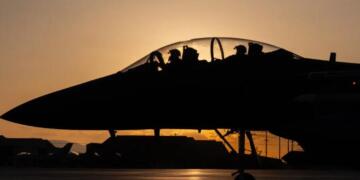
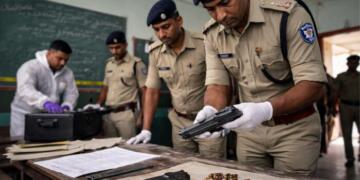












The United States has carried out one of the most complex and high-risk rescue operations in its military history, recovering a downed airman from deep inside Iran. The mission, conducted in April 2026, involved the elite SEAL Team 6, the same unit that led the 2011 raid killing Osama bin Laden.
A tense, life-and-death race unfolded between US and Iranian forces over two days to locate a “seriously injured” American Weapons Systems Officer (WSO) near Isfahan, ultimately ending in his dramatic rescue by elite US commandos after a firefight with local militias closing in on his position, according to a report by The New York Times.
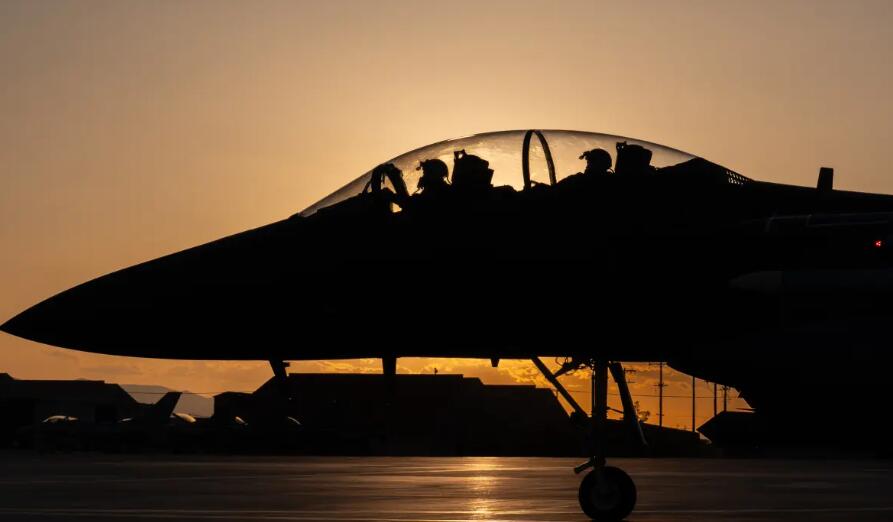
The officer, whose identity has not been disclosed, was shot down on Good Friday, April 3, in southwestern Iran. He took refuge in the rugged Zagros Mountains, where he evaded capture for nearly 36 hours despite being injured. Armed only with a handgun, he climbed to a 7,000-foot ridge to stay out of reach of Iranian search teams.
During this time, US MQ-9 Reaper drones provided critical cover, carrying out precision strikes on Iranian forces whenever they moved too close to the officer’s location, helping keep pursuit units at bay until the rescue team could reach him.
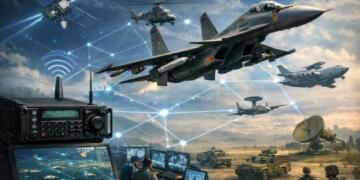
While the 2011 mission was a precise “surgical strike” involving a small team and stealth helicopters, the 2026 rescue resembled a full-spectrum combat operation. Hundreds of special operations troops, dozens of aircraft, and advanced space- and cyber-based intelligence systems were deployed to ensure the safe recovery of a single crew member. Military analysts are have been comparing the scale of this operation to the Abbottabad raid.
Covert Build-Up and Mission Complications
As the situation unfolded, the Central Intelligence Agency launched a deception campaign to mislead Iranian search units about the pilot’s location. Meanwhile, US forces established a covert forward operating site approximately 50 kilometers from Isfahan, using a deserted airstrip inside Iranian territory.
The rescue package included MC-130J special operations transport aircraft and AH-6 “Little Bird” helicopters operated by elite aviation units. However, the mission encountered serious setbacks when two of the transport aircraft became inoperable on the ground.
Following standard protocol to prevent sensitive technology from falling into enemy hands, US commandos destroyed critical systems and software aboard the aircraft using controlled detonations.
Extraction Under Fire
Despite the complications, additional transport aircraft were dispatched into the combat zone. Under heavy fire and mounting pressure from approaching Iranian forces, SEAL Team 6 successfully reached the injured WSO and secured the extraction.
The operation involved intense aerial support, including drones, electronic warfare measures, and precision strikes to suppress enemy movement. Ultimately, the rescue team, the stranded personnel, and the injured airman were all evacuated safely.
Remarkably, no American personnel were killed during the mission, despite the scale of the engagement and the depth of penetration, estimated at up to 300 kilometers inside Iranian territory. The rescued officer was later transported to Kuwait for medical treatment.
A Defining Modern Rescue Operation
The mission is being described by defense experts as a defining example of modern warfare integration combining special operations forces, intelligence deception, cyber capabilities, and airpower in a single coordinated effort.
If the Abbottabad raid demonstrated precision, this operation demonstrated overwhelming force used in support of precision. The contrast has led analysts to describe the 2011 mission as a “scalpel,” while the 2026 Iran rescue functioned more like a “hammer” ensuring that the elite rescue unit could complete its task and return safely.
The operation underscores the extent to which the US military is willing and able to project power deep into hostile territory to recover its personnel.