
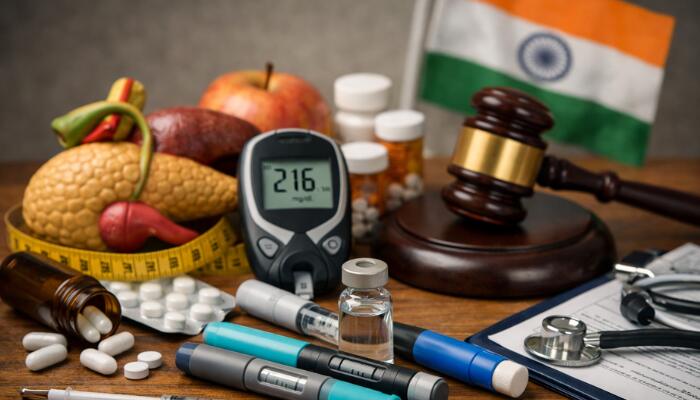
India’s drug regulator has stepped up nationwide surveillance of GLP-1 medications, a class of drugs used to treat type 2 diabetes and obesity, amid concerns about their growing availability through retail pharmacies, online platforms, wholesalers, and wellness clinics without proper prescriptions. Authorities warn that unsupervised use could expose patients to serious health risks.
The Drugs Controller General of India (DCGI) has launched intensified regulatory monitoring to prevent unauthorised sales, over-the-counter consumption, and misleading promotion of these medicines. While the drugs are widely recognised as an important advancement in metabolic disease treatment, officials emphasise that they must only be used under strict medical supervision.
Understanding diabetes and hormonal imbalance
Diabetes is a chronic disease that develops when the pancreas fails to produce enough insulin or when the body cannot effectively use the insulin it produces. The resulting rise in blood sugar levels can lead to severe complications if untreated, including blindness, kidney failure, heart attack, stroke, and amputation.
Two hormones produced by the pancreas regulate blood glucose levels. Insulin converts food into energy and lowers blood sugar by allowing cells to absorb glucose. Glucagon performs the opposite function, raising blood sugar levels when they fall too low. Together, they maintain a stable balance in the body.
In people with type 2 diabetes, this balance is disrupted. Cells become resistant to insulin, the pancreas may produce insufficient insulin, or both may occur simultaneously, while glucagon continues to increase blood sugar levels.
Types of diabetes and risk factors
Type 1 diabetes occurs when the pancreas produces little or no insulin, requiring patients to take daily insulin throughout their lives.
Type 2 diabetes, by contrast, develops when the body cannot use insulin properly. Risk factors include hereditary predisposition, excessive body weight, and lack of physical activity.
Individuals with obesity, particularly those with a body mass index above 25 kg/m², face a significantly higher risk of developing type 2 diabetes. Abdominal fat further increases the likelihood of insulin resistance. Obesity itself is considered a chronic disease caused by excessive body fat and is linked to other non-communicable diseases such as heart disease and certain cancers. A BMI between 23.00 and 24.99 kg/m² is classified as overweight.
Health experts stress that type 2 diabetes is largely preventable. Maintaining balanced body weight, engaging in regular physical activity of at least 150 minutes per week for adults, consuming a healthy diet rich in fruits, vegetables, legumes, whole grains, and nuts, reducing intake of sugar and saturated fats, and avoiding smoking and tobacco can significantly reduce the risk. Children are advised to undertake around 60 minutes of daily physical activity.
How GLP-1 drugs work
GLP-1 receptor agonists are medicines designed to correct the hormonal imbalance associated with type 2 diabetes. When food is digested, the digestive system converts it into simple sugars that enter the bloodstream. At this stage, the GLP-1 hormone prompts the pancreas to release insulin, allowing glucose to move from the blood into body cells where it is used as energy.
At the same time, GLP-1 suppresses glucagon, preventing the liver from releasing excess glucose. These combined actions bring blood sugar levels back to normal.
GLP-1 agonist drugs mimic this natural hormone but remain active in the body for longer periods. By stimulating insulin production and suppressing glucagon, they act as substitutes for the natural GLP-1 hormone in controlling blood sugar levels in patients with type 2 diabetes.
Another effect of these medicines is the slowing of gastric emptying. Food remains in the digestive system for a longer time, creating a prolonged feeling of fullness. This reduces appetite and helps patients lose weight, which is why the drugs are also used to treat obesity.
Medicines available in the market
The first GLP-1 drug was approved by the United States Food and Drug Administration in 2005. In recent years, several newer medicines have become widely used in treating diabetes and obesity.
Major GLP-1 medications currently available include semaglutide injections, semaglutide tablets, liraglutide, tirzepatide, dulaglutide, exenatide, and extended-release exenatide. Most are delivered through pre-filled injection pens, although some formulations, such as oral semaglutide, are available in tablet form.
Side effects and medical supervision
Despite their effectiveness, medical experts caution that GLP-1 drugs can produce a range of side effects. Mild reactions may include nausea and dizziness, while more severe complications may involve pancreatitis, medullary thyroid cancer, and worsening of certain existing medical conditions.
Because of these risks, the medicines must only be taken under the supervision of qualified medical professionals.
Government steps to curb misuse
To ensure ethical pharmaceutical practices and prevent irregularities across the supply chain, the DCGI has intensified regulatory oversight in coordination with State Drug Controllers.
On 10 March 2026, a nationwide advisory was issued to drug manufacturers directing them to stop misleading advertisements or promotional campaigns that could encourage people to use GLP-1 drugs without prescription.
Regulators have also conducted inspections of 49 establishments across India in recent weeks, including online pharmacy warehouses, pharmaceutical wholesalers, retailers and weight loss clinics. The inspections focused on identifying violations related to unauthorised sales, improper prescribing practices and deceptive marketing.
Authorities have issued notices to businesses found violating the rules and warned that strict monitoring will continue. Establishments breaching regulations could face licence cancellation, heavy financial penalties and legal action.
Balancing medical progress with safety
GLP-1 drugs represent a significant development in modern medicine, offering new hope to millions of people living with type 2 diabetes and obesity. However, health authorities stress that their benefits must be balanced with responsible use.
Patients are strongly advised to consult qualified medical professionals before taking these medicines and to obtain them only through legitimate, regulated channels on prescription. Careful supervision, experts say, is essential to ensure that the promise of these therapies is realised without compromising patient safety.