















A fierce political controversy has erupted in West Bengal ahead of the 2026 Assembly elections, with allegations and counter-allegations surrounding large-scale deletions from electoral rolls. At the heart of the debate lies the contentious issue of Illegal Migration, which has become a flashpoint between political parties, media narratives, and administrative processes.
The Election Commission of India (ECI) undertook a Special Intensive Revision (SIR) of voter lists in preparation for the elections, a process designed to remove duplicate, deceased, or otherwise ineligible entries. According to official data, nearly 91 lakh names were deleted from the electoral rolls during this exercise, amounting to a significant portion of the state’s electorate.
The OpIndia report argues that much of the public discourse surrounding these deletions has been shaped by selective narratives. Several political leaders and commentators alleged that minority communities, particularly Muslims, were disproportionately targeted. However, the report counters this claim by highlighting that the deletions were part of a broader administrative exercise linked to Illegal Migration and voter verification procedures, rather than a religion-specific purge.
Data emerging from the revision process indicates that a substantial number of voters were removed due to reasons such as duplication, relocation, or inability to verify identity. In fact, earlier stages of the revision had already eliminated over 58 lakh names due to factors like death, shifting, or duplicate registrations. These figures suggest that the scale of deletions cannot be attributed solely to any single community, but rather reflects systemic issues in maintaining accurate electoral rolls in a state with high population mobility.
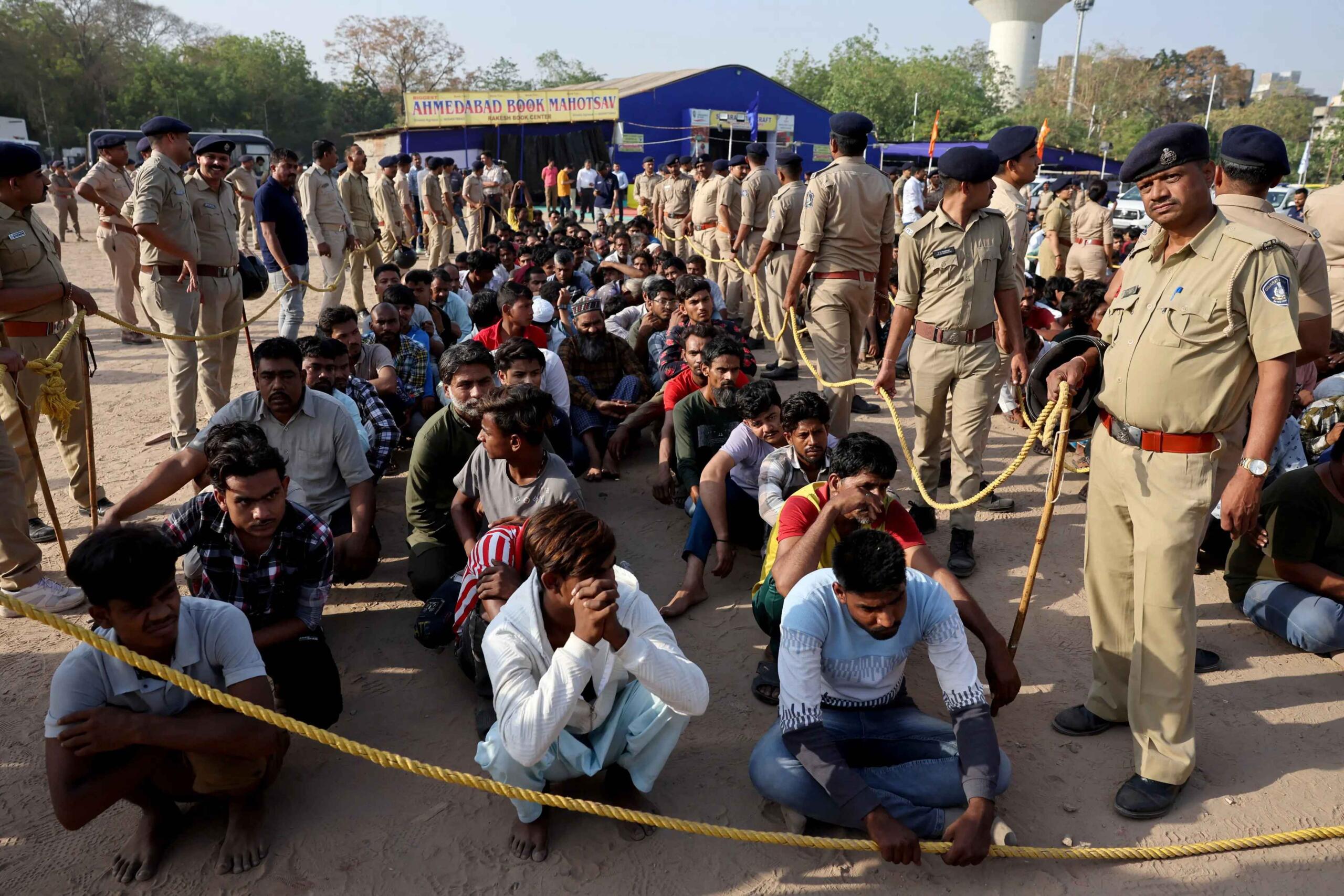
The question of Illegal Migration becomes particularly significant in border districts such as Murshidabad, Malda, and North 24 Parganas. These regions have historically witnessed cross-border movement due to their proximity to Bangladesh. According to the report, districts with higher incidences of such migration also recorded higher numbers of deletions, reinforcing the argument that the revision process was aimed at identifying ineligible or undocumented individuals rather than targeting any religious group.
The political response, however, has been sharply divided. Leaders from the ruling Trinamool Congress (TMC), including Chief Minister Mamata Banerjee, have alleged that the deletions were politically motivated and aimed at disenfranchising certain voter bases. This narrative has been echoed in sections of the media, which have framed the issue as a targeted exclusion of minorities.
On the other hand, leaders from the Bharatiya Janata Party (BJP) have defended the exercise, asserting that it was necessary to cleanse the voter list of ineligible entries, including those linked to Illegal Migration. They argue that maintaining the integrity of electoral rolls is essential for ensuring free and fair elections.
Importantly, multiple reports indicate that the deletions were not limited to any one community. For instance, significant numbers of voters from Hindu communities, including Matua-Namasudra populations, were also affected. This complicates the narrative of selective targeting and suggests that the issue is more administrative and demographic than purely political or communal.
The broader context of Illegal Migration in West Bengal has long been a subject of political debate. The state’s porous borders and historical migration patterns have contributed to concerns about undocumented residents obtaining voter identification. The SIR process, mandated under constitutional provisions, specifically aims to address such challenges by periodically updating electoral rolls.
Meanwhile, recent developments reported in mainstream media highlight the scale and complexity of the issue. Tens of lakhs of voters have found themselves excluded after judicial scrutiny, with many unable to re-establish eligibility before the electoral rolls were finalised. This has raised concerns about voter disenfranchisement and administrative transparency.
As the elections approach, the controversy over Illegal Migration and voter deletions is likely to remain a central political issue. It encapsulates deeper questions about identity, citizenship, and electoral integrity in a state that has long been at the crossroads of migration and politics.
Ultimately, the debate underscores the delicate balance between ensuring accurate voter rolls and safeguarding democratic participation. While the SIR exercise aims to strengthen electoral integrity, the scale of deletions and the narratives surrounding them have intensified political tensions, making this one of the most closely watched issues in the run-up to the 2026 West Bengal Assembly elections.