
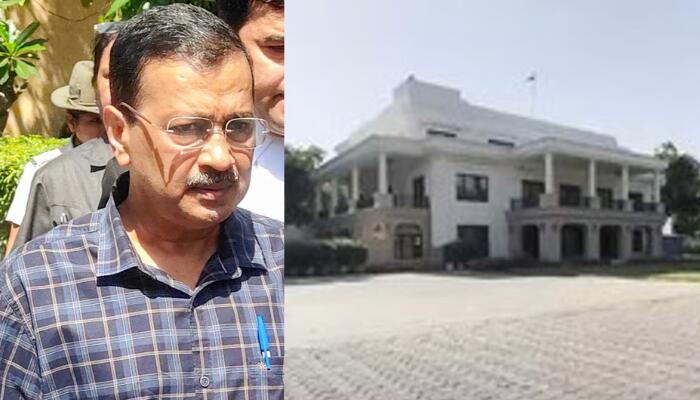
Arvind Kejriwal’s relocation to a government bungalow at 95 Lodhi Estate has brought a fresh political stir in Delhi. The Bharatiya Janata Party has revived its earlier “Sheesh Mahal” charge and escalated it into a new narrative called “Sheesh Mahal 2”.
The BJP says the episode highlights a gap between Kejriwal’s public image of simplicity and what it calls a more luxurious lifestyle.
BJP escalates allegations with visuals
Delhi Public Works Department Minister Parvesh Sahib Singh Verma led the attack. He shared photographs that he claimed showed Kejriwal’s new Type-VII bungalow.
According to Verma, the residence includes five bedrooms and four drawing rooms. He also claimed it is larger than several other government residences in Lutyens’ Delhi.
Questions over expenditure followed. He said the Central Public Works Department does not usually approve such high-end interiors. He further suggested that private funds may have been used.
Political narrative expands beyond Delhi
The BJP linked the controversy to Kejriwal’s political movement. It is alleged that setbacks in Delhi pushed him towards Punjab before he returned to the capital.
This framing strengthens the party’s broader criticism of the AAP leadership and its public image.
Chadha’s remarks intensify the debate
Rajya Sabha MP Raghav Chadha, who has recently moved closer to the BJP after leaving the Aam Aadmi Party along with other MPs, also weighed in on the controversy.
He said the earlier “Sheesh Mahal” row contributed significantly to AAP’s defeat in Delhi. He warned that similar perceptions could again damage the party politically.
AAP rejects visuals, calls them fake
The Aam Aadmi Party strongly denied all allegations. Former Chief Minister Atishi said the images shared by BJP leaders are not real and that they are derived from online platforms such as Pinterest and were used to mislead the public.
With fresh claims and counterclaims, Kejriwal’s Lodhi Estate bungalow has once again become a political debate. The dispute now reflects a deeper struggle over perception, credibility, and narrative control in Delhi politics.