

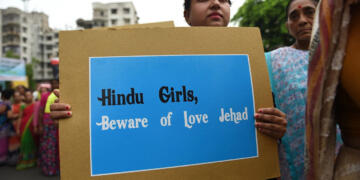
















In a significant legislative move, the Maharashtra Assembly has passed the Freedom of Religion Bill, a controversial anti-conversion law that has sparked sharp political reactions and public debate across the state. The bill, aimed at curbing forced and fraudulent religious conversions, introduces stringent penalties and regulatory mechanisms, placing Maharashtra among a growing list of states adopting similar legislation.
The newly passed Freedom of Religion Bill seeks to address concerns over conversions carried out through coercion, deceit, inducement, or marriage under false pretences. According to provisions outlined during the Assembly proceedings, individuals found guilty of violating the law may face imprisonment of up to seven years along with substantial monetary fines.
Supporters of the bill, including members of the ruling alliance, argue that the legislation is necessary to protect vulnerable individuals and ensure genuine freedom of belief. They maintain that the law is not directed against any particular religion but rather aims to prevent exploitation under the guise of religious conversion. Government representatives emphasized that such legal safeguards are essential in maintaining social stability and protecting individual rights.
However, the passage of the Freedom of Religion Bill has not been without controversy. Opposition parties, including Congress and sections of the Nationalist Congress Party, have strongly criticized the legislation, describing it as “unconstitutional” and “one-sided.” They argue that the bill could infringe upon personal liberties and may be misused to target specific communities.
The political divide was evident during the Assembly session, where debates grew heated and exposed fractures within opposition alliances. While some parties opposed the bill outright, others offered conditional support, reflecting the complexity of the issue.
Beyond the legislative arena, the bill has also triggered reactions on the ground, including instances of Muslim protest in parts of the state. Community leaders and civil rights groups have raised concerns about the potential misuse of the law, particularly its provisions that allow complaints from family members and place the burden of proof on the accused. Critics argue that such clauses could lead to harassment and unnecessary legal complications.
One of the most debated aspects of the Freedom of Religion Bill is its procedural requirements. Individuals intending to convert are required to give prior notice to authorities, and the process involves public disclosure and verification. Authorities argue that this ensures transparency, while critics see it as an intrusion into personal choice and privacy.
Another contentious provision is the classification of offenses under the bill as cognisable and non-bailable. This means that police can take action without prior court approval, a feature that has intensified concerns among civil society groups. Observers note that such stringent measures underscore the seriousness with which the state government is addressing the issue of alleged forced conversions.
The broader national context also plays a role in shaping the discourse around the bill. Several states, including Uttar Pradesh and Karnataka, have enacted similar laws in recent years, reflecting a wider policy trend. Proponents argue that Maharashtra’s legislation aligns with this national framework, while critics warn of a growing pattern of restrictive laws affecting religious freedom.
Amid the ongoing debate, legal experts have pointed out that the Freedom of Religion Bill may face judicial scrutiny in the future. Courts in India have previously examined similar laws, balancing the state’s interest in preventing coercion with the constitutional guarantee of freedom of religion.
The issue has also reignited discussions on the delicate balance between safeguarding individual rights and maintaining public order. While the government insists that the law is necessary to prevent exploitation, opponents stress the importance of protecting personal autonomy and religious choice.
As Maharashtra moves forward with implementing the new law, the spotlight remains on how it will be enforced on the ground. The reactions—from political corridors to grassroots protests—highlight the sensitivity of the issue and its far-reaching implications.
Ultimately, the debate surrounding the Freedom of Religion Bill underscores the complexities of governing a diverse society where questions of faith, freedom, and law intersect. Whether the legislation achieves its stated objectives or deepens existing divisions will depend largely on its implementation and the broader societal response in the months ahead.