
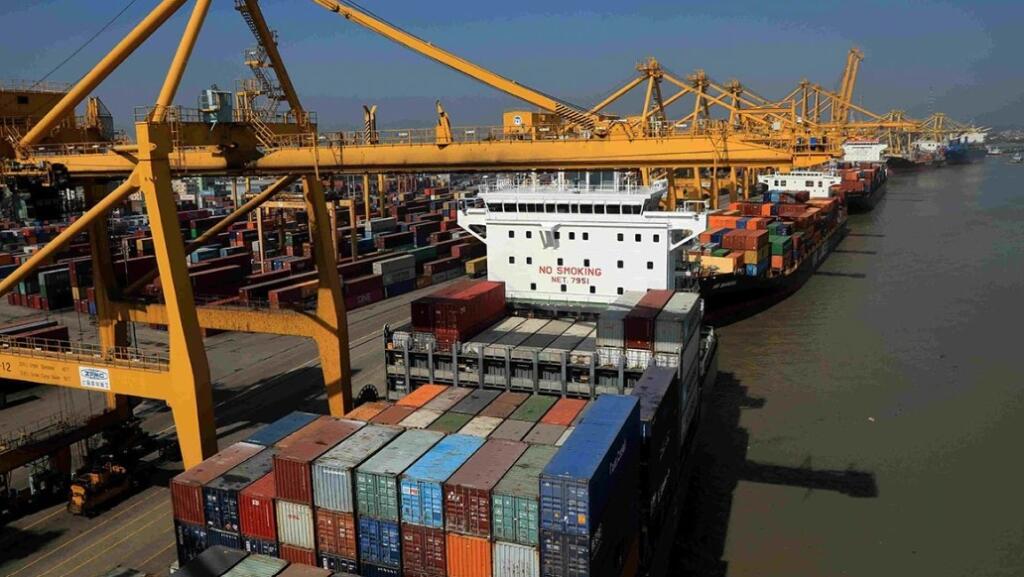
Bangladesh could save billions of dollars annually by leveraging its long and accessible land border with India more effectively. Shipping a 20-foot container from China to Chittagong costs between $800 and $1,200 under normal conditions and takes 14 to 21 days.
From European ports, the cost rises above $1,500, with transit times exceeding 25 days. By contrast, moving a comparable cargo volume by truck through Benapole or Burimari costs just $150 to $300, and goods arrive within one to three days.
Bangladesh’s annual import bill exceeds $65 billion, with a substantial portion spent on goods India already produces: cotton and yarn, industrial chemicals, machine parts, food staples, and pharmaceutical inputs. Trade economists estimate that shifting 15 to 20 percent of eligible imports to land-based sourcing from India could cut freight and logistics costs by $1.5 to $2 billion annually.
The savings are not limited to freight alone. Sea cargo insurance is higher due to broader risks, weather, port congestion, piracy, and handling at intermediate ports. Short land routes carry fewer risks, resulting in insurance costs that are typically 30 to 50 percent lower for comparable cargo.
Financing also matters. Importers from China often must pay 30 to 60 days before goods arrive, tying up capital for weeks. Goods arriving from India in just two days free up working capital immediately, a critical advantage for small manufacturers operating on thin margins.
Yet, the land port network handling this trade is underutilized and underdeveloped. Benapole, Bangladesh’s largest land port, handled goods worth roughly $2 billion last fiscal year, a fraction of its potential.
Trucks at Benapole face average customs clearance times of 24 to 48 hours, with delays exceeding 72 hours during peak periods or when paperwork issues arise. Limited warehousing means cleared goods often pile up at the port before onward transport. Although digital customs systems exist, they are not linked with the Indian side, requiring manual re-entry of data.
Smaller ports like Burimari in Lalmonirhat and Akhaura in Brahmanbaria face similar challenges. Infrastructure at these locations has not kept pace with rising trade volumes.
Bangladesh shares 4,156 kilometres of land border with India, one of the longest bilateral borders in the world. On paper, this gives Bangladesh a significant cost and logistics advantage over other import sources.
In practice, however, the advantage is only partially realized. Import-dependent industries lose hundreds of millions annually to inventory carrying costs, production stoppages, and spoilage of time-sensitive goods.
Both the Asian Development Bank and the World Bank have highlighted the need for expanded warehousing, digital customs integration, and better road links from land ports to industrial zones. Some investment has come through Indian credit lines, but it has not matched the scale of the problem.
Bangladesh’s bilateral trade with India has exceeded $14 billion in recent years, yet the land port network was not designed to handle this volume and closing the gap between infrastructure capacity and trade potential represents one of the highest-return public investments available to Bangladesh’s planners.
Fully leveraging the border advantage could save the country billions, accelerate delivery times, and strengthen domestic industries.