


















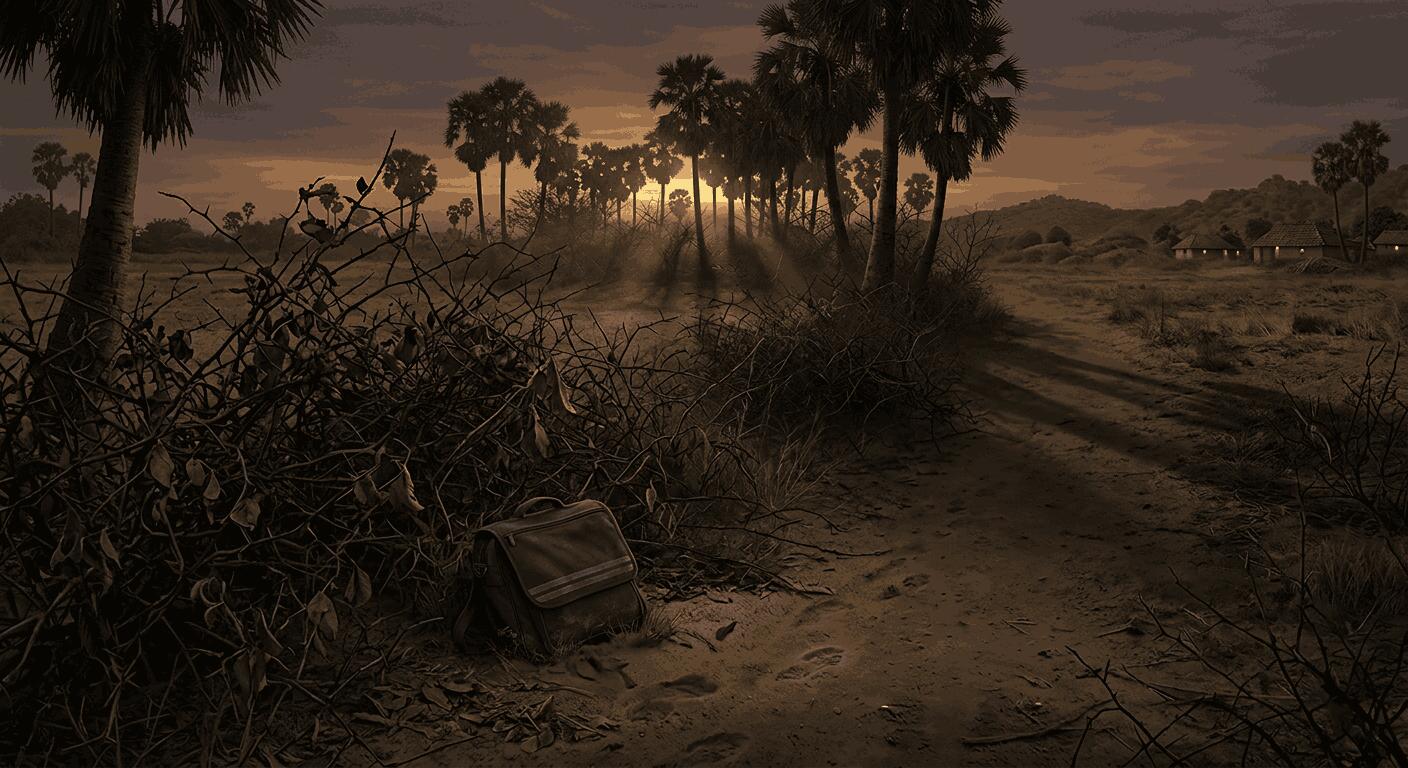
In a shocking display of callousness, DMK supporter and veteran actor S. Ve. Shekher has ignited widespread fury with his remarks on the brutal rape and murder of a 17-year-old girl in Vilathikulam, Tamil Nadu. The tragic incident, which unfolded in early March 2026, saw the Murdered Minor lured to a secluded spot, savagely assaulted, and left to die. Yet, instead of condemning the heinous crime, Shekher chose to victim-blame, questioning, “Why did she go behind the bush?” His words, shared via social media, have been decried as not just insensitive but profoundly inhuman, reducing a young victim’s unimaginable suffering to a crude joke.
The facts of the case are gut-wrenching. The Murdered Minor, a student from a modest family in Thoothukudi district, vanished on March 20 after stepping out to buy groceries. Her body was discovered the next day in a bushy area near Vilathikulam, bearing signs of rape and strangulation. Police swiftly arrested two suspects, including a local man with a prior criminal record, confirming the sexual assault through forensic evidence. The postmortem report detailed horrific injuries, painting a picture of prolonged torture inflicted on the defenseless teenager. Communities across Tamil Nadu mourned, with protests demanding justice and stricter laws against crimes targeting women. Yet, amid this grief, S. Ve. Shekher’s post stood out like a venomous barb.
Shekher, a known DMK loyalist and former Rajya Sabha MP, posted a video mocking the Murdered Minor’s fate. “A 17-year-old girl goes behind the bush and gets raped and murdered—why did she go there?” he sneered, implying her actions invited the atrocity. This wasn’t a slip; it was deliberate cruelty, couched in humor that stripped the Murdered Minor of her humanity. As a public figure with millions of followers, Shekher wields influence, yet he weaponized it to shift blame from perpetrators to a child who trusted the world enough to run a simple errand. His DMK affiliation only amplifies the outrage, raising questions about the party’s tolerance for such rhetoric from its cheerleaders.
Critics, including women’s rights activists and opposition leaders, have slammed Shekher’s statement as emblematic of a deeper societal rot. “Victim-blaming the Murdered Minor doesn’t just dishonor her memory; it endangers every girl in Tamil Nadu,” tweeted BJP spokesperson Shehzad Poonawalla. Social media erupted with hashtags like #JusticeForVilathikulamGirl and #ShameOnShekher, as netizens shared the Murdered Minor’s photos—innocent smiles now synonymous with tragedy. Feminists pointed out the pattern: in India, rape survivors or victims are too often interrogated about their clothing, timing, or location, perpetuating a culture where predators roam free. Shekher’s quip, they argue, isn’t isolated; it’s the ugly underbelly of patriarchal entitlement, especially galling from a DMK backer in a state ruled by women leaders who champion safety.
The inhumanity peaks when considering the Murdered Minor’s background. From a vulnerable family in rural Tamil Nadu, she dreamed of education amid poverty’s grip. Her killers exploited this isolation, dragging her to that fateful bush. Shekher’s flippant query erases her agency, her fear, her final moments of desperation. It echoes age-old tropes that silence victims, much like the 2012 Delhi case or the 2024 Kolkata horrors, where public discourse often veers into judgment rather than accountability. By six words—”Why did she go behind the bush?”—Shekher didn’t just insult one Murdered Minor; he undermined the fight against gender-based violence nationwide.
DMK leaders have distanced themselves, with party spokespersons calling Shekher’s views “personal” and unrelated to official stance. But silence from the top brass speaks volumes. As FIRs mount against Shekher for promoting enmity and outraging modesty, the Vilathikulam case demands more than arrests—it calls for cultural reckoning. Platforms like X have suspended similar posts, yet the damage lingers. The Murdered Minor deserved empathy, not interrogation. Shekher’s statement, raw and unfiltered, exposes how far some influencers will go to defend the indefensible, leaving a stain on Tamil Nadu’s conscience.