




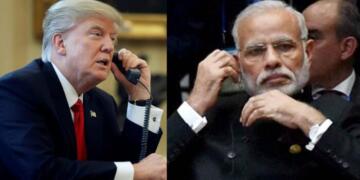
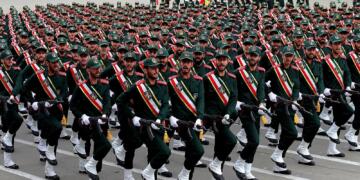
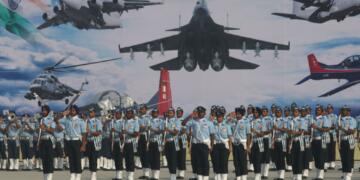
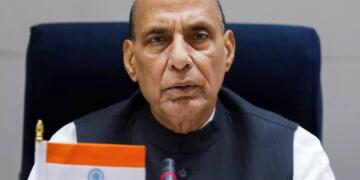









The sinking of an Iranian warship by a United States submarine in the Indian Ocean has triggered intense geopolitical debate and political reactions across the world. In India, however, the episode has also ignited a domestic political controversy, with critics and commentators accusing the Islamo-left ecosystem and sections of the opposition of exploiting the incident to attack the government of Prime Minister Narendra Modi and push India toward taking sides in a foreign conflict.
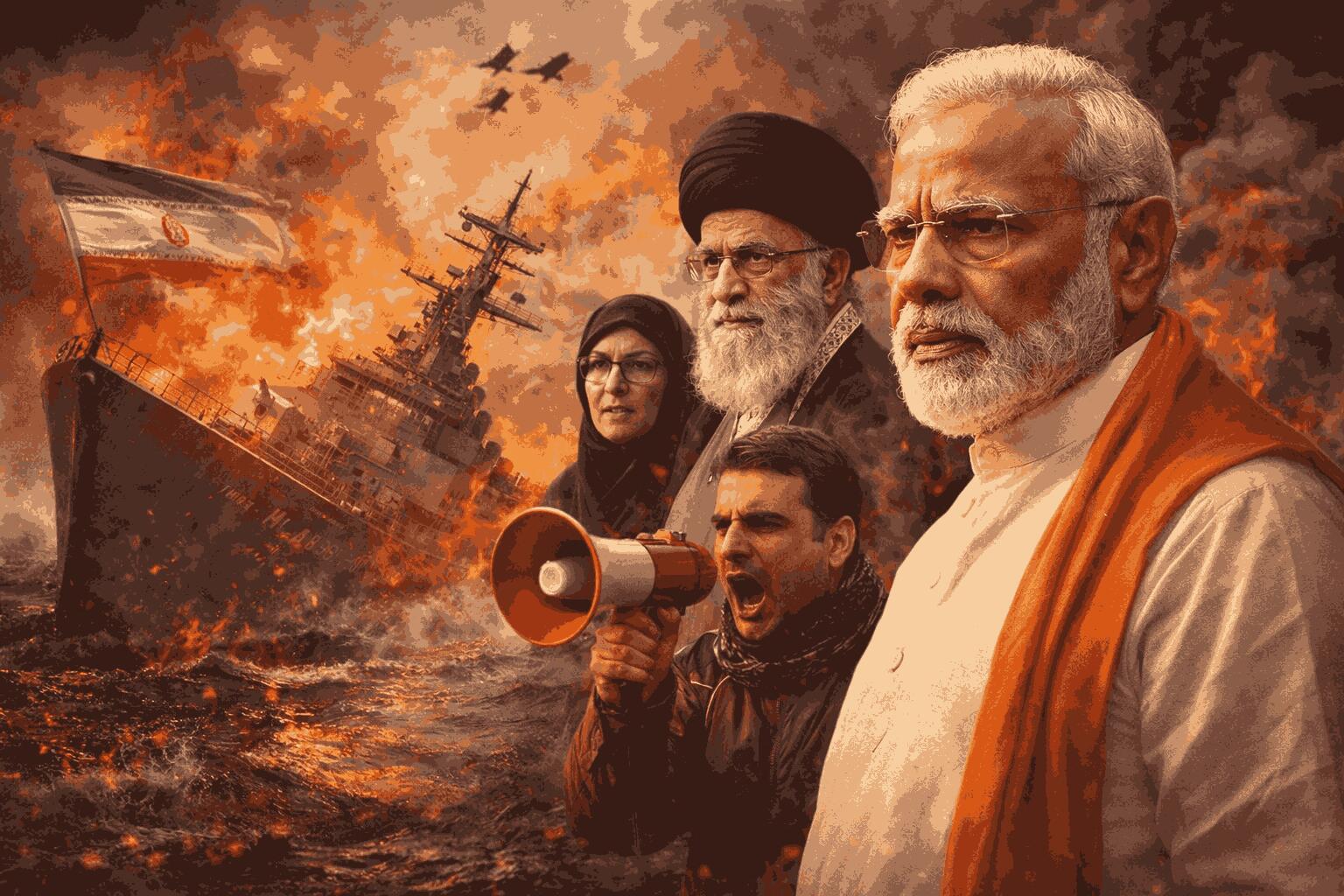
The incident occurred on 4 March 2026 when a US Navy submarine torpedoed the Iranian frigate IRIS Dena in waters off the southern coast of Sri Lanka. The vessel had recently participated in naval events hosted by India before departing for its return journey. According to reports, the strike took place in international waters about 40 nautical miles from Sri Lanka’s coast, outside India’s jurisdiction. The attack resulted in significant casualties, with dozens of Iranian sailors killed and several others rescued during a search operation conducted by Sri Lankan authorities.
The attack has been widely viewed as part of the rapidly escalating confrontation between the United States, Israel, and Iran. Analysts say the broader conflict has already expanded beyond the Middle East, and the sinking of the Iranian warship in the Indian Ocean signals the widening geographical scope of hostilities. Iran has condemned the strike as an act of aggression and warned that the United States would “bitterly regret” the attack.
Despite the incident taking place outside India’s territorial waters, domestic political debate erupted almost immediately. According to critics of the opposition narrative, the Islamo-left ecosystem quickly attempted to portray the event as a diplomatic embarrassment for the Modi government. Commentators argued that since the Iranian ship had recently attended a naval event hosted by India, New Delhi should have taken a stronger position against the United States.
However, strategic experts point out that India has long followed a policy of multi-alignment, maintaining relationships with major powers while avoiding direct involvement in external conflicts. From this perspective, analysts argue that demands from the Islamo-left ecosystem for India to intervene or condemn one side risk undermining the country’s balanced foreign policy approach.
India’s diplomatic posture in recent decades has been built on carefully balancing ties with the United States, Israel, Iran, and other regional actors. In such a complex geopolitical environment, taking an overtly partisan stance could jeopardise India’s strategic interests. Critics therefore argue that attempts by the Islamo-left ecosystem to force a reaction from New Delhi reflect more domestic political motivations than genuine strategic concerns.
Supporters of the government further argue that the incident occurred entirely beyond India’s control. Since the strike took place in international waters, New Delhi had neither operational involvement nor jurisdiction over the event. They contend that portraying the episode as a failure of the Modi government is misleading and ignores the realities of maritime law and international relations. In this view, the Islamo-left ecosystem has sought to amplify the controversy in order to create a narrative of diplomatic weakness.
Another factor complicating the issue is the broader regional tension generated by the ongoing US–Iran confrontation. With shipping routes, energy security, and maritime stability at stake, countries around the Indian Ocean are increasingly concerned about the conflict spilling into their strategic environment. Analysts warn that inflammatory rhetoric from political groups, including segments of the Islamo-left ecosystem, could inadvertently contribute to diplomatic tensions rather than encouraging measured responses.
Observers also note that the Indian Ocean is one of the world’s most critical maritime regions. It serves as a vital artery for global trade and energy shipments. Any escalation of military conflict in these waters could disrupt international shipping and affect economies far beyond the immediate region. This reality underscores why many policymakers advocate caution rather than dramatic diplomatic gestures.
Ultimately, the sinking of the Iranian warship highlights the growing volatility of global geopolitics. While the incident has intensified the confrontation between Washington and Tehran, it has also become a flashpoint in India’s domestic political discourse. Whether the debate remains focused on national security or continues to be shaped by narratives promoted by the Islamo-left ecosystem will likely influence how the episode is remembered in India’s political landscape.