
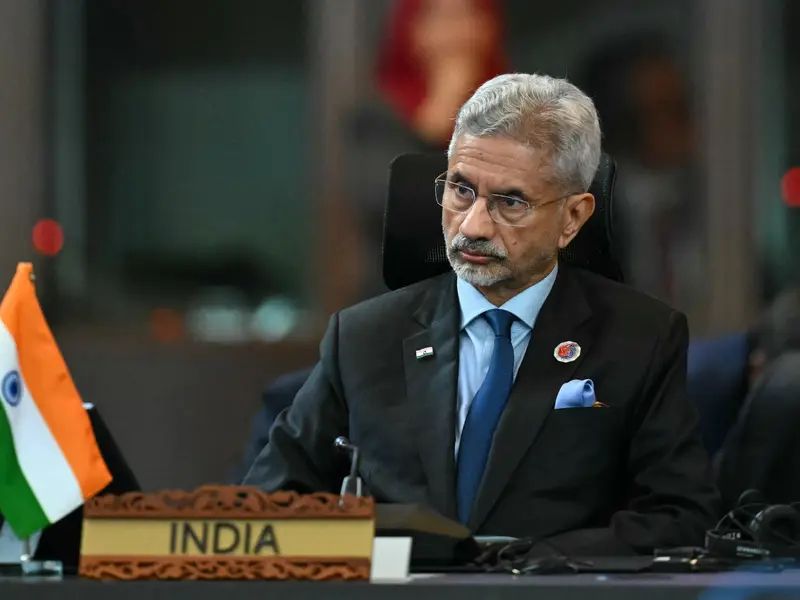
India cannot act as a “dalal nation” (dalal meaning broker) in global geopolitics, External Affairs Minister S Jaishankar said during an all-party meeting on the ongoing West Asia crisis on Wednesday.
The remarks from the External Affairs Minister came as the Opposition raised concerns over Pakistan’s role in mediating talks between the United States and Iran, sources said reportedly.
The meeting, chaired by Defence Minister Rajnath Singh, was held in Parliament and attended by key ministers including Amit Shah, Nirmala Sitharaman, and Hardeep Singh Puri. Leaders from several parties, including Congress, Samajwadi Party, JD(U), and CPI(M), were also present.
Responding to the Opposition’s concerns, the government said Pakistan’s role as a conduit was not new and had existed since 1981, with Washington using Islamabad as a channel to stay engaged with Tehran. Jaishankar is learnt to have underlined that there was “nothing new” in such mediation efforts.
The government also informed the meeting that Prime Minister Narendra Modi had conveyed to US President Donald Trump that the ongoing conflict in West Asia must end soon, as it is affecting all sides.
Pakistan Steps Up Mediation Pitch
Jaishankar’s remarks came after Pakistan intensified efforts to project itself as a mediator in the crisis. Pakistan Prime Minister Shehbaz Sharif said Islamabad was “ready and honoured” to facilitate “meaningful and conclusive talks” between the US and Iran.
He added that Pakistan was willing to host negotiations for a comprehensive settlement, subject to the consent of both sides.
His statement followed reports that Pakistan, along with Egypt and Turkiye, was involved in backchannel diplomacy to broker peace. Sharif also held talks with Iran’s President Masoud Pezeshkian, expressing concern over rising hostilities and calling for de-escalation.
US Signals Diplomatic Opening, Iran Rejects Talks
US President Donald Trump amplified Sharif’s remarks by sharing his post on Truth Social. Earlier, Trump had said the US would pause threatened strikes on Iranian power plants for five days, citing “very good and productive conversations” with Tehran, though he did not specify the intermediary.
Reports suggest Pakistan has been actively relaying messages between Washington and Tehran. According to international media, Pakistan’s military leadership, including Field Marshal Asim Munir, reached out to Trump, while US proposals were conveyed to Iran through Pakistani channels. Pakistan’s Foreign Minister Ishaq Dar also followed up with his Iranian counterpart Abbas Araqchi.
Iran has acknowledged receiving proposals and indicated that talks, if held, could take place in Pakistan or Turkey. However, no formal response or timeline has been announced. Publicly, Iran has denied that any negotiations are underway, with senior officials calling US actions a “betrayal of diplomacy” and stressing their focus on national defence.
Israel, led by Prime Minister Benjamin Netanyahu, has also been briefed on the US proposal and remains sceptical about Iran accepting the terms.
Government, Opposition Trade Charges
The government rejected Opposition claims that India had remained silent on the crisis, asserting that it was “commenting and responding” appropriately.
It highlighted diplomatic outreach, including the Foreign Secretary’s visit to the Iranian embassy to sign the condolence book, amid criticism over the timing of India’s response.
As per media reports, officials said the government’s key priorities were ensuring the safety of the Indian diaspora in the Gulf and maintaining stable energy supplies, adding that both were being handled effectively.
However, Opposition leaders termed the government’s response “unsatisfactory” and demanded a detailed discussion in Parliament. Congress leader Tariq Anwar said Pakistan was acting as a mediator while India remained a “mute spectator”, and called for debates in both the Lok Sabha and the Rajya Sabha.