













India is sharpening its response to drug abuse through an expanded de-addiction network and a nationwide awareness campaign under the Nasha Mukt Bharat Abhiyan, signalling a more structured and evidence-based approach to a persistent public health challenge. The strategy brings together treatment, rehabilitation and prevention, backed by institutional support and targeted funding.
The shift is rooted in findings from a national survey on drug abuse conducted by the Department of Social Justice and Empowerment through the National Drug De-addiction Treatment Centre at AIIMS, published in 2019. The survey provided a clearer picture of the scale of substance use in the country and has since shaped the design of intervention programmes.
Treatment access widened through public hospitals
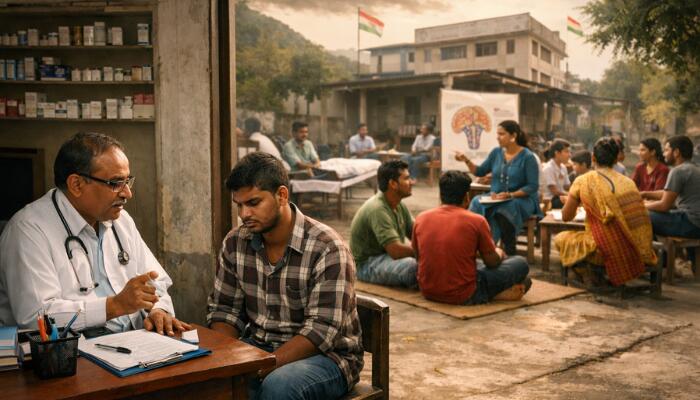
At the centre of the response is the Ministry of Health and Family Welfare’s Drug De-addiction Programme, which aims to make treatment both affordable and accessible. Under the programme, six de-addiction treatment centres have been set up in central government hospitals, offering both inpatient and outpatient care along with counselling.
This has been supplemented by 25 de-addiction clinics in district hospitals and medical colleges, where individuals can seek outpatient treatment and counselling without the barriers often associated with specialised care. The idea is simple but important: bring treatment closer to where people are, rather than expecting them to navigate a fragmented system.
A layered rehabilitation and outreach system
Alongside clinical services, the Department of Social Justice and Empowerment is implementing the National Programme for Drug Demand Reduction, a centrally sponsored scheme that focuses on reducing demand through awareness, prevention and capacity building. The programme channels financial assistance to state governments, Union Territory administrations and non-governmental organisations to sustain a broad network of services.
At present, 349 Integrated Rehabilitation Centres for Addicts are operational across the country. These centres provide not just medical treatment but also counselling, post-treatment care and support for reintegration into society, which often determines whether recovery is sustained.
The system is reinforced by 76 Outreach and Drop-in Centres that offer safe, accessible spaces for screening, assessment and referral. In government hospitals, 154 Addiction Treatment Facilities are functioning to expand the reach of clinical care.
At the district level, 145 District De-addiction Centres bring these services together under one roof, combining rehabilitation, outreach and peer-led interventions into a more coordinated response.
Prevention efforts shift towards younger populations
Prevention has emerged as a key focus area. Through 45 Community-Based Peer-Led Intervention programmes, awareness and life skills are being imparted to children below 18 years of age. The emphasis is on early intervention, recognising that delaying or preventing initial exposure to drugs can significantly alter long-term outcomes.
The programme also reflects regional targeting. In Bihar, for instance, assistance is being provided for seven Integrated Rehabilitation Centres, six District De-addiction Centres and two Addiction Treatment Facilities, indicating a calibrated approach to state-level needs.
To bridge the gap between need and access, a toll-free helpline, 14446, has been introduced to provide immediate counselling and referral services, offering a first point of contact for those seeking help.
Awareness campaign extends into campuses and communities
The Nasha Mukt Bharat Abhiyan continues to serve as the public-facing arm of this effort, with a focus on higher educational institutions, university campuses and schools. The campaign is also being carried into communities and amplified through platforms such as X, Facebook and Instagram, reflecting an attempt to meet people where they are.
The details were shared in the Rajya Sabha by Union Minister of State for Health and Family Welfare, Shri Prataprao Jadhav, underscoring the government’s attempt to move from isolated interventions to a more coherent national response to drug abuse.