













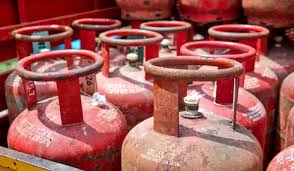
Domestic cooking gas prices were sharply increased across India on Saturday after oil companies raised the cost of a standard 14.2 kg LPG cylinder by ₹60, citing rising global energy prices linked to the ongoing conflict in West Asia.
With the revision taking effect from March 7, non-subsidised LPG cylinders, commonly used by most households outside government welfare schemes, will now cost ₹913 in Delhi. The new price was reflected on the official website of Indian Oil Corporation.
The increase marks the second revision in domestic LPG prices in the past eleven months. The previous hike occurred in April last year when rates were raised by ₹50.
Revised LPG Prices Across Major Cities
Following the latest revision, households in several metropolitan cities will now pay significantly higher prices for cooking gas. In Mumbai, the price of a non-subsidised 14.2 kg LPG cylinder has climbed to ₹912.50. Consumers in Kolkata will now pay ₹939, while the price in Chennai stands at ₹928.50.
Prices vary from state to state depending on the local sales tax or value-added tax imposed by state governments.
However, the cost of LPG cylinders under the Ujjwala scheme, which provides over 10 crore connections to economically weaker households, remains unchanged.
Commercial LPG Also Becomes Costlier
The price revision comes days after oil companies increased the cost of commercial LPG cylinders used by hotels, restaurants and other establishments.
Earlier this month, the price of a 19 kg commercial LPG cylinder was raised by ₹114.5. As a result, such cylinders now cost ₹1,883 in Delhi. In Mumbai, the price has increased to ₹1,835, while in Kolkata it has climbed to ₹1,990 and in Chennai to ₹2,043.50.
The commercial LPG segment has witnessed a sharp escalation in prices over the past few months. According to political leaders citing recent revisions, the price of commercial cylinders has risen by ₹307 in the last three months.
Opposition Targets Government Over Inflation
The latest increase has triggered strong criticism from opposition parties, which accused the central government of placing an additional financial burden on ordinary households.
The Congress party described the hike as another example of rising inflation and launched a sharp attack on Prime Minister Narendra Modi, referring to him as “Inflation Man” in a post on social media. The party said the decision would directly affect household budgets across the country.
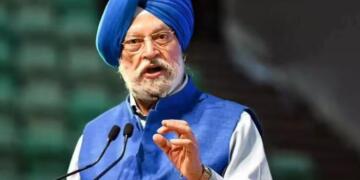
Congress leader Pawan Khera also questioned Union Petroleum and Natural Gas Minister Hardeep Singh Puri over the hike. Referring to the minister’s recent remarks about fuel affordability, Khera said the assurances now appeared contradictory in light of the price increase.
West Bengal chief minister Mamata Banerjee also criticised the move, warning that rising LPG costs could strain household finances. She raised concerns about the practical difficulties faced by families who must book cylinders weeks in advance while dealing with increasing living costs.
Energy Security Concerns Amid Global Tensions
The price rise comes against the backdrop of escalating tensions in West Asia, which have raised fears about disruptions in global crude oil supply chains, particularly through the strategically vital Strait of Hormuz.
Despite the uncertainty, the Union Petroleum Minister recently stated that India’s energy supplies remain secure. He assured consumers that the country’s oil, petroleum products, and LPG availability is currently in a comfortable position and that there is no immediate cause for concern.
Nevertheless, the latest increase in cooking gas prices is likely to intensify debate over inflation and energy affordability at a time when global geopolitical tensions continue to influence fuel markets.