








In recent days, social media platforms have seen a surge in posts suggesting that India could be headed for a new nationwide lockdown similar to the one during the COVID‑19 pandemic.
These claims have been circulating in WhatsApp forwards, viral posts, and comments linking Prime Minister Narendra Modi’s parliamentary remarks to an imminent lockdown. However, official statements and media reports make it clear that this is misinformation.
No Lockdown Announcement by PM Modi
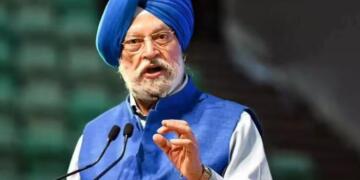
Prime Minister Modi has not announced any lockdown or restriction on movement for the general public, instead he alert the nation about long‑term global challenges caused by the ongoing West Asia conflict, especially in energy supply and economic stability.
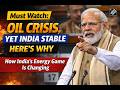
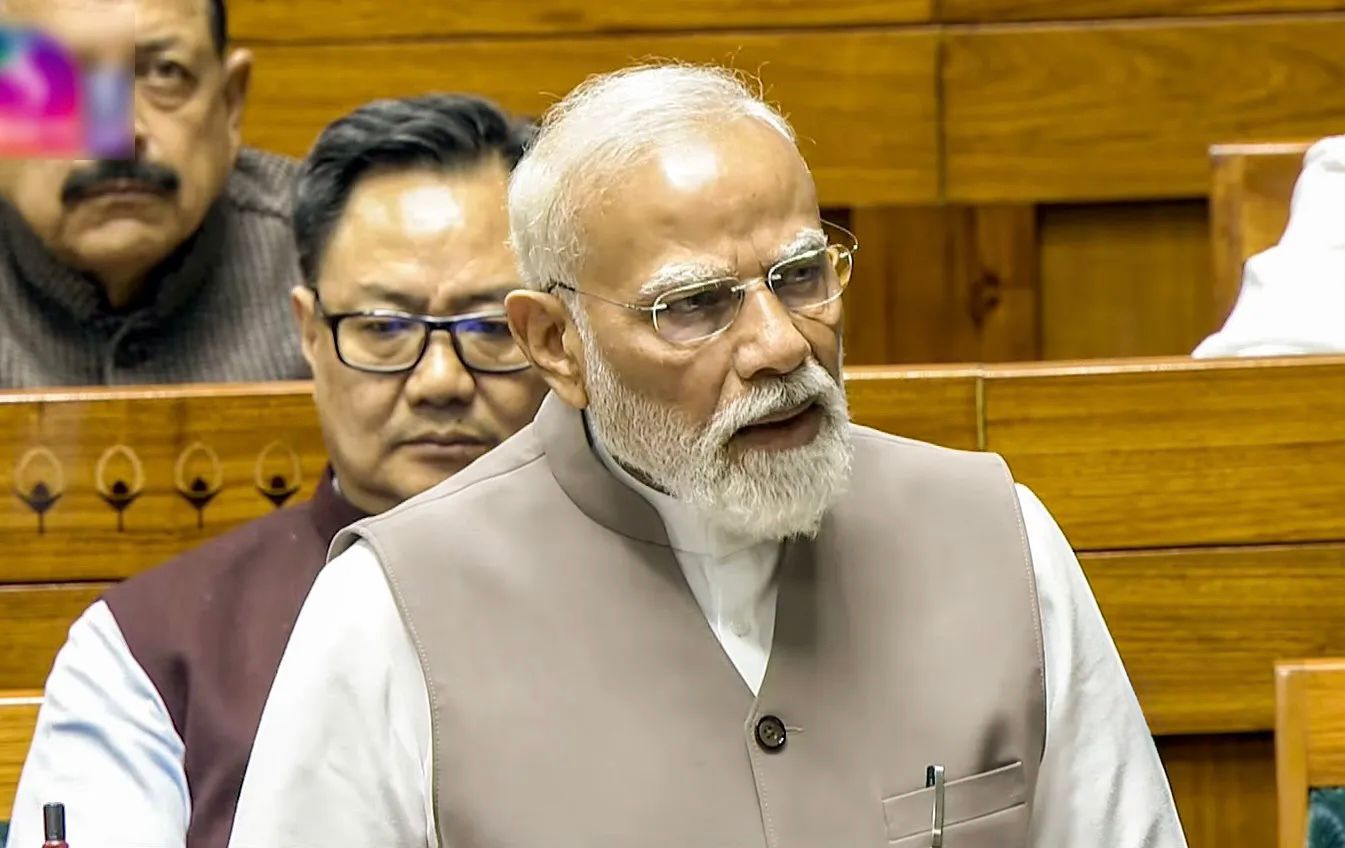
PM Modi addressed the Lok Sabha on the ongoing conflict in West Asia and the wide-ranging challenges it has posed for India. He underscored the urgency of resolution noting that the crisis has now persisted for over three weeks, with deeply adverse consequences for the global economy and human lives.
Highlighting the gravity of the situation, PM Modi remarked, “The whole world is urging all parties for the earliest possible resolution of this crisis.”
He urged citizens to stay prepared, calm, and united, drawing a comparison with India’s collective effort during the COVID‑19 period, but not implying a repeat of lockdown measures.
The Prime Minister stressed cooperation among all stakeholders, including states, to manage potential disruptions in energy and essential supplies, and highlighted efforts to secure fuel and LPG supplies. He emphasized tackling challenges with “patience, restraint and calmness” but did not link this to imposing lockdowns.
Panic Buying Fueled by Rumours
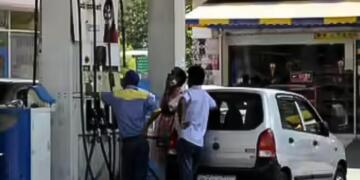
In several parts of India, false social media posts and messages about an impending petrol and diesel shortage sparked panic buying, leading to long queues and stock‑outs at fuel stations, even though there was no actual shortage. This was driven by a combination of misinformation about supply disruptions amid the West Asia crisis and misinterpretation of official statements.
In Gujarat, long lines formed at petrol pumps in cities like Ahmedabad, Rajkot, Surat and others after rumours circulated that petrol and diesel were running out. Some stations displayed signs like “petrol/diesel on the way; will open once tanker arrives,” causing a rush of customers. The state government and officials had to urge people not to panic, clarifying that sufficient stocks were available.
Authorities also noted that changes in the payment process for fuel deliveries, where oil marketing companies required advance payment before dispatching tankers inadvertently contributed to delays at a few outlets, which rumours then exaggerated into a perceived shortage.
Similar situations occurred in other regions. Police and administrators in Indore and surrounding districts reported panic buying triggered by fuel shortage rumours, although officials quickly reassured the public that petrol and diesel stocks were normal. Some pumps even temporarily imposed purchase limits per vehicle to prevent hoarding.
In Maharashtra’s Vidarbha region (Wardha, Chandrapur, Yavatmal), long queues triggered by fear of supply disruption caused traffic problems and anxiety, despite official assurances of adequate fuel availability.
In Rajasthan’s Jalore district, crowds gathered at fuel stations following similar rumours, prompting police to intervene and reiterate that the shortage claims were unfounded.
Authorities Push Back Against Panic and Rumours
To counter the misinformation, government agencies and state‑run oil companies made repeated statements affirming normal fuel and LPG supplies.
Indian Oil Corporation (IOCL), Bharat Petroleum Corporation Ltd (BPCL) and Hindustan Petroleum Corporation Ltd (HPCL) issued public clarifications stating there is “no shortage of petrol, diesel or LPG” across the country and urging the public not to fall for rumours. They emphasised that their outlets are well‑stocked and supply chains are functioning normally.
The Centre described the fuel shortage rumours as misinformation, encouraging people to rely on official sources and avoid panic buying or hoarding, which can itself disrupt supplies.
Local associations like the Telangana Petroleum Dealers Association (TPDA) also stepped in, assuring that stocks were adequate and urging rational buying behaviour to prevent unnecessary strain on supply networks.
Law enforcement agencies have begun monitoring and even taking action against the spread of false information. In Rajkot, a head of a petrol dealers’ association was booked for allegedly spreading false information about fuel shortages that triggered panic buying. The police warned that spreading unverified claims about essential commodities could lead to legal consequences under cyber laws.
Why Rumours Spread and Their Impact
The confusion stems from the Prime Minister’s comparison to India’s response during the COVID‑19 pandemic, when a lockdown was used as a public health tool.
The news of his reference to that period was misinterpreted and circulated without context, leading many to assume a fresh lockdown was imminent which is not supported by any official announcement or credible report.
A temporary delay in fuel deliveries to some outlets, combined with heightened public anxiety over global events, helped rumours gain traction. Posts on platforms like Reddit and WhatsApp reflect how quickly fears can snowball into sudden rushes at pumps, even when stocks are adequate.
Authorities have stressed that panic buying itself can create artificial shortages, recommending that people continue normal purchasing patterns and avoid storing fuel in unsafe containers, which presents serious safety hazards.