























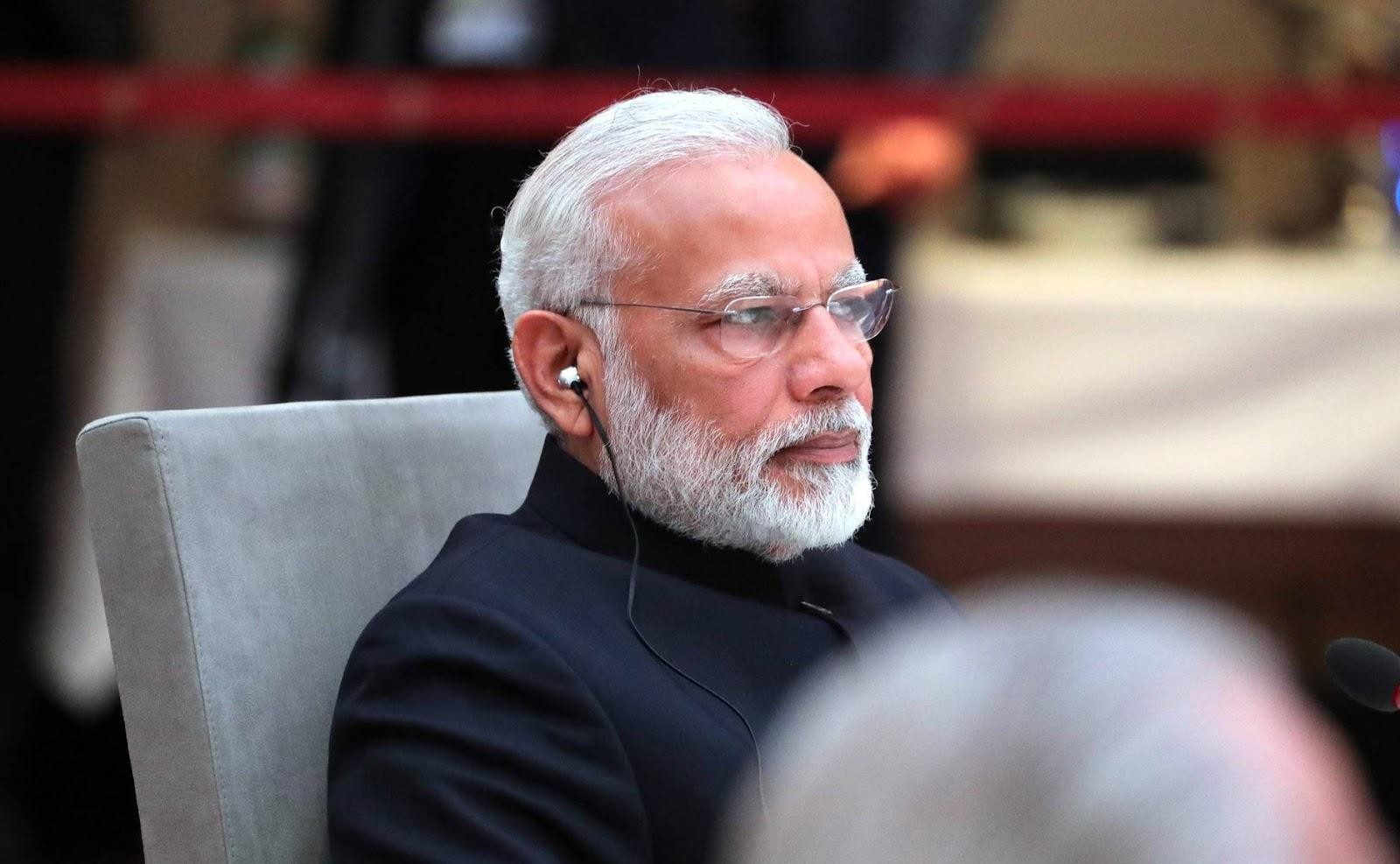
The India AI Impact Summit 2026 marked a significant moment in international technology diplomacy.
Hosted by the Ministry of Electronics and Information Technology (India), the conference gathered policymakers, researchers, and industry leaders to discuss how artificial intelligence can be shaped to benefit society.
The event reflects a broader global shift where AI is no longer treated only as a technical innovation but as a governance and development issue.
Countries are increasingly aware that AI will influence economic productivity, social systems, and national security. India’s approach emphasizes inclusive growth, especially for large and diverse populations that rely on digital public infrastructure.
Unlike commercial technology conventions, this summit functioned primarily as a diplomatic and policy platform.
Discussions centered on cooperation rather than competition alone. The presence of international organizations and private sector participants helped create a balanced conversation between innovation and regulation.
The summit also fits within the IndiaAI Mission strategy, which aims to develop sovereign yet globally connected technology capabilities. This long-term vision supports research, workforce preparation, and ethical deployment frameworks.
At the same time, digital entertainment ecosystems continue evolving, much like platforms introducing features such as Tongits online new features, showing how AI and online interaction are shaping modern user experiences.
Ethical and Human-Centered AI
One of the strongest themes was ethical artificial intelligence.
The summit highlighted principles aligned with the work of UNESCO, which promotes responsible technology development.
Key discussion points included transparency in algorithm design, fairness in automated decision-making, and protection of human rights in digital systems.
Governments and researchers emphasized that AI should augment human capability rather than replace essential social functions.
Bias mitigation was another priority. AI models trained on limited datasets can unintentionally reinforce social inequalities. Participants explored evaluation methods that could help identify discriminatory outputs before deployment.
Education and healthcare were often used as demonstration sectors. Multilingual AI translation tools, automated medical triage systems, and digital learning assistants were presented as examples of socially useful applications.
However, civil society organizations pointed out that many proposals remained voluntary. Without binding enforcement, ethical guidelines may depend heavily on corporate compliance and national policy consistency.
Global Cooperation and the New Delhi Declaration
The summit’s most visible outcome was the New Delhi Declaration on AI Impact, endorsed by roughly 80–90 countries and partner institutions.
The declaration is not a legally binding treaty but serves as a shared policy direction. It encourages collaboration across several domains:
- Workforce transition planning as automation grows
- Sustainable computing and energy-efficient model training
- Equal access to AI technology across developing regions
- Open research cooperation
The declaration reflects diplomatic compromise. Developed economies often focus on innovation leadership and security, while developing nations prioritize accessibility and capacity building.
India positioned itself as a mediator between these perspectives. Officials described the framework as a foundation for future international agreements rather than a final regulatory structure.
Private technology companies also participated through research partnerships and investment announcements.
Industry groups such as the National Association of Software and Service Companies (NASSCOM) helped coordinate corporate involvement.
Infrastructure, Economy, and Technical Development
Compute infrastructure was a central technical topic.
India announced plans to expand high-performance computing resources to support domestic AI research. The strategy includes scaling GPU clusters, encouraging local model training, and developing multilingual systems suited to India’s linguistic diversity.
Economic considerations played a major role in discussions. AI is expected to influence productivity in manufacturing, digital services, and administrative governance.
Policymakers are particularly interested in using AI for public service delivery, where automation can reduce processing time for citizens accessing social programs.
From a global market perspective, India represents one of the largest potential deployment zones for applied AI services.
The country’s population scale makes it attractive for companies developing cloud platforms, machine learning applications, and digital consumer tools.
Environmental sustainability was also discussed. Large-scale AI model training requires significant energy consumption, so researchers explored more efficient hardware architectures and workload optimization methods.
Global Stakes and Future Direction
The summit illustrates how artificial intelligence is evolving from a technical research field into a strategic global policy domain.
For India, hosting the conference signals ambition to become a major voice in technology governance. The country aims to combine domestic innovation with international collaboration.
For the world, the event highlights unresolved tensions in AI development. Nations want economic advantages from automation while managing risks related to privacy, surveillance, and labor displacement.
The summit did not produce enforceable global law, but it established shared principles that may influence future negotiations.
Ultimately, the conference represents a transitional stage in global AI diplomacy. Governments, researchers, and industries are still searching for a governance model that balances innovation, security, and social welfare.
FAQ
- Is the New Delhi Declaration legally binding?
No. It is a policy guidance document encouraging cooperation rather than enforcing rules.
- Why is global AI governance important?
AI systems can affect trade, security, labor markets, and information ecosystems across borders.
- Did the summit focus only on technology?
No. Social impact, ethics, economic transition, and sustainability were major themes.
- Will the summit be repeated?
Future editions are possible if India continues promoting the AI Impact Summit platform.
- How does this affect everyday users?
The impact may appear gradually through improved digital services, language tools, and AI-assisted platforms.