













RelatedPosts
In early 2021, a global pop icon’s single tweet triggered a political storm in India, drawing attention not only to the ongoing farmers’ protest but also to alleged financial and ideological networks operating behind the scenes. At the centre of the controversy was the Poetic Justice Foundation (PJF), a Canada-based organization that reportedly circulated a “toolkit” amplifying the protest internationally. Subsequent reports claimed that the foundation had connections with separatist elements like Khalistani and that substantial funds were mobilised to influence global opinion.
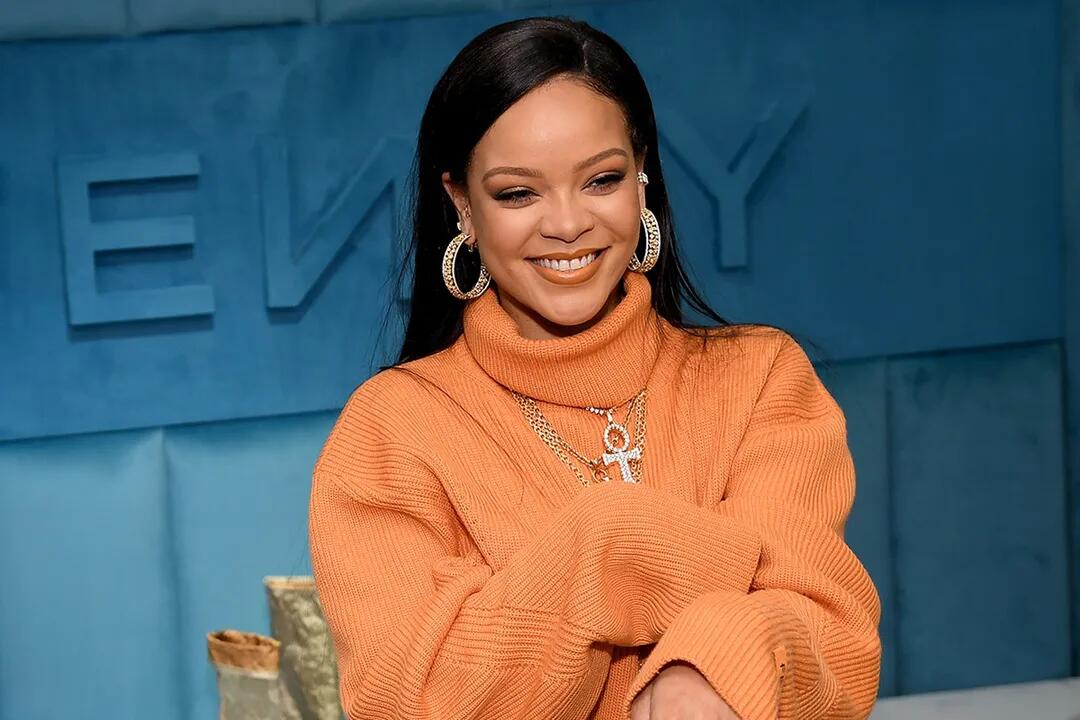
The uproar began when international singer Rihanna posted a tweet referencing internet shutdowns near protest sites on Delhi’s borders. Within hours, the tweet went viral, prompting responses from Indian celebrities, politicians, and ministries. While supporters hailed it as global solidarity, critics questioned how a foreign celebrity became involved in a complex domestic issue. Investigative reports soon pointed to the role of the Poetic Justice Foundation, alleging that it coordinated messaging and outreach as part of a broader campaign.
Central to the debate were claims that the foundation had alleged Khalistani links and that it sought to internationalise the farmers’ agitation by framing it as a human rights issue. The term quickly entered mainstream discourse as commentators examined whether fringe separatist elements were attempting to piggyback on a largely agrarian economic movement. Though the majority of protesting farmers consistently maintained that their demands were focused on agricultural reforms, the controversy added a geopolitical dimension to the agitation.
Reports further alleged that nearly ₹18 crore was spent on digital amplification efforts designed to “skyrocket” the visibility of the issue. This included outreach to celebrities, activists, and influencers across continents. Critics argued that such a well-coordinated campaign suggested more than spontaneous solidarity. According to these accounts, pro-Khalistani activism abroad may have found in the farmers’ protest an opportunity to revive separatist narratives under the banner of civil rights advocacy.
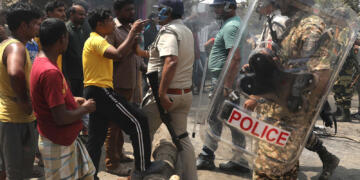
The Poetic Justice Foundation denied wrongdoing, asserting that it merely supported peaceful protests and freedom of expression. However, Indian authorities and sections of the media highlighted past statements by individuals associated with the group, alleging sympathy for Khalistani causes. These revelations intensified calls for scrutiny, particularly as the protest sites in Delhi had already witnessed sporadic tensions and confrontations.
Political leaders from across party lines weighed in. Some cautioned against conflating genuine farmer grievances with the actions of a few activists. Others argued that the presence of Khalistani sympathisers in international advocacy circles risked undermining the legitimacy of the protest movement. The debate underscored a persistent challenge in India’s political landscape: distinguishing between constitutionally protected dissent and separatist agendas that threaten national integrity.
The toolkit controversy also revealed the growing power of digital mobilisation. In the age of social media, narratives can be shaped and reshaped within hours, transcending borders instantly. The alleged toolkit included suggested hashtags, messaging templates, and contact points for outreach to global policymakers. Analysts suggested that such coordinated efforts may have inadvertently amplified Khalistani narratives alongside the farmers’ demands, thereby complicating India’s diplomatic messaging.
For many protesters on the ground, however, the core issues remained rooted in agriculture—minimum support prices, market access, and concerns over corporate influence. Farmer unions repeatedly distanced themselves from any separatist ideology. They emphasised that their agitation was peaceful and constitutionally grounded. Nonetheless, the controversy over Khalistani networks operating abroad cast a shadow over international perceptions of the protest.
The Indian government responded firmly, issuing statements that underscored the country’s sovereignty and warning against misinformation campaigns. Celebrities and athletes also posted coordinated messages about unity and internal resolution of matters. These responses were widely seen as attempts to counter what officials described as a motivated campaign by Khalistani elements seeking to exploit unrest for political mileage.
Beyond the immediate headlines, the episode reflected the complex interplay between diaspora politics and domestic movements. Canada, the United Kingdom, and other countries with significant Punjabi populations have long grappled with activism related to the Khalistani agenda. While such activism represents only a fraction of the diaspora, its visibility online often exceeds its actual support base, especially when amplified by high-profile endorsements.
The controversy surrounding Rihanna’s tweet and the alleged ₹18 crore amplification effort thus became more than a celebrity intervention story. It highlighted how globalised communication networks can entangle local protests with international ideological battles. Whether or not every allegation withstands legal and factual scrutiny, the debate has left a lasting imprint on how governments and civil society view digital advocacy.
Ultimately, the farmers’ protest concluded months later after negotiations and legislative changes. Yet the questions raised during that turbulent period—about funding transparency, foreign influence, and the role of Khalistani activism in shaping narratives—continue to echo in public discourse. As India navigates the digital age, balancing openness to global conversation with vigilance against separatist exploitation remains a delicate task.
The episode serves as a reminder that in an interconnected world, a single tweet can ignite a geopolitical debate, and local movements can become arenas for international ideological contestation within hours.





