















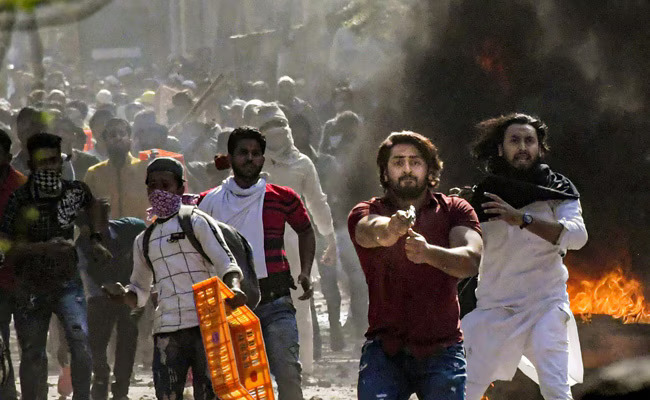
On February 24, 2020, the streets of Northeast Delhi erupted into chaos as the Delhi Riots began, marking one of India’s most violent communal clashes in decades. What started as protests over the Citizenship Amendment Act (CAA) spiraled into arson, murders, and widespread destruction, claiming over 50 lives reported and injuring hundreds. Sparked amid heightened tensions from anti-CAA demonstrations and a parallel pro-CAA rally, the violence unfolded in areas like Jaffrabad, Maujpur, and Bhajanpura. Eyewitness accounts and police FIRs describe mobs armed with stones, petrol bombs, swords, and guns targeting shops, homes, and places of worship. The scale was staggering: over 2,000 incidents of arson, with damages exceeding ₹2,500 crore.
But the burning question remains: what really happened, and how meticulously was it planned? Investigations by Delhi Police and subsequent chargesheets reveal a web of conspiracy. Umar Khalid, a former JNU student leader, Sharjeel Imam, and others face UAPA charges for allegedly masterminding the unrest. According to the police’s 2021 chargesheet, Khalid held strategy meetings in January 2020, framing the Delhi assembly elections as a “Dharam Yudh” (religious war). Chats recovered from accused Tahir Hussain’s phone show provocations like “full drama” to incite riots, with Hussain—a sitting AAP councillor—allegedly directing mobs from his balcony, hurling bombs and acid. Videos captured masked groups chanting anti-Hindu slogans while systematically burning Muslim-owned properties, suggesting coordinated hit lists. The National Investigation Agency (NIA) later linked PFI activists and radical outfits to funding and logistics, including stockpiling weapons smuggled via local networks.
Delhi riots’ plannings sophistication stunned investigators. Protests were blocked at key chokepoints like Jaffrabad Metro, forcing a clash with counter-protesters. Intelligence intercepts indicated “chakka jam” (roadblocks) as a trigger, with WhatsApp groups disseminating inflammatory videos days prior. A plot to assassinate BJP leader Kapil Mishra was rumored, though unproven. Courts have upheld much of this narrative: in 2023, Delhi High Court denied bail to key accused, citing “larger conspiracy” evidence. Yet, narratives persist of state complicity, with Human Rights Watch alleging police inaction or bias—claims refuted by footage showing officers rescuing Hindus amid attacks.
Even more astonishing in Delhi riots is how a powerful gang continues to shield the accused with unyielding vigor. Umar Khalid, jailed since September 2020, has seen relentless campaigns for his release. Amnesty International and left-leaning activists label him a “political prisoner,” ignoring UAPA evidence. Bail pleas drag on, bolstered by celebrity endorsements and media sympathy pieces portraying rioters as victims. This protection racket extends internationally: in a bizarre twist, New York City Mayor Eric Adams penned a letter in 2023 urging U.S. consular aid for accused Tahir Hussain, framing it as a human rights issue. Adams, citing “concerns” from activists, demanded intervention—prompting backlash from Indian officials who highlighted Hussain’s role in sheltering attackers. Such moves echo global solidarity networks, from UK protests to U.S. congressional hearings, where figures like Ilhan Omar echoed “Delhi Riots” denialism.
This persistent defense raises alarms. Why do Western leaders intervene for those charged with inciting the Delhi Riots’ carnage? Critics argue it’s ideological capture—urban Naxals and Islamists framing Hindu nationalists as oppressors, much like Bengal’s revolutionary histories where colonial narratives twisted freedom fighters into terrorists. In West Bengal, parallels to 1946 Calcutta Killings or 1960s Naxal violence show how selective outrage protects perpetrators. The Supreme Court in 2024 questioned prolonged detentions but upheld trials, yet the “gang” persists, crowdfunding legal fees and harassing witnesses.
Today, six years on, the Delhi Riots scars linger. Reconstruction lags, communities remain divided, and trials crawl amid protectionist fervor. Hussain’s letter from Adams exemplifies external meddling, undermining India’s sovereignty. As Bengal’s own history of Jugantar and Anushilan Samiti revolutionaries teaches, true justice demands exposing conspiracies without bias. The lesson? Vigilance against those who plan riots and those who shield them.