



















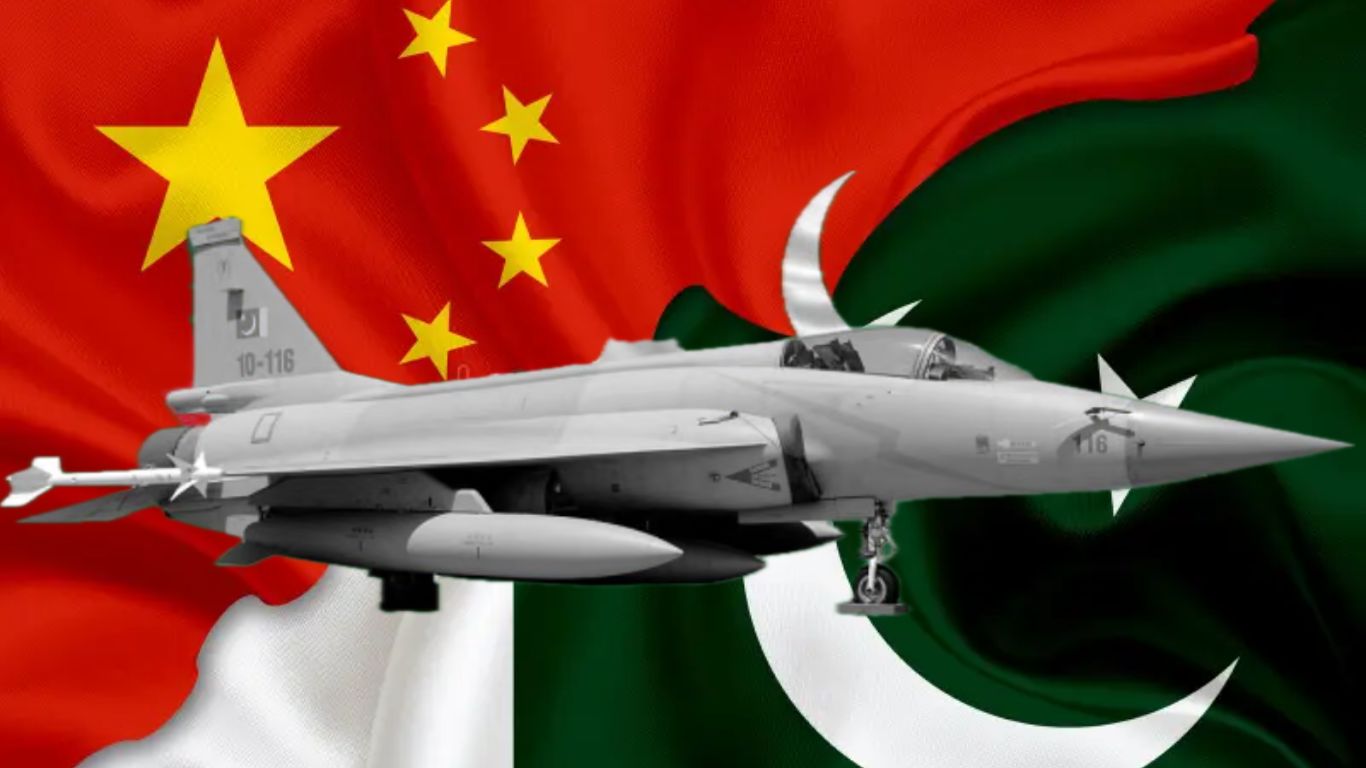
A recent Reuters report claiming growing global demand for Pakistan’s JF-17 fighter jet has raised serious questions about Western media credibility. The report suggests that after India’s Operation Sindoor, the JF-17 has suddenly become a popular choice among several countries. However, available facts and official statements from Pakistan itself sharply contradict this narrative.
To begin with, Pakistan’s own Foreign Ministry has clearly stated that no JF-17 export deal is at a final stage. Officials admitted that some countries have shown “interest,” but they stopped short of confirming any signed contract or near-final agreement. Despite this clarity, Reuters presented the situation as if deals were almost complete, creating a false sense of momentum around the aircraft.
Moreover, Reuters carefully blurred the line between expressions of interest and actual purchases. This distinction is critical. In the global arms market, many countries explore options without committing to procurement. Interest does not mean approval, financing, or delivery. By ignoring this difference, the report inflated Pakistan’s claims and misled readers.
In addition, the report mentioned countries such as Saudi Arabia and Libya as potential buyers. This claim does not hold up under scrutiny. Saudi Arabia has never officially confirmed any decision to buy the JF-17. On the contrary, Riyadh continues to rely on Western aircraft platforms and has shown no urgency to shift to a Chinese-Pakistani fighter with limited combat credibility.
The Libya claim appears even weaker. Libya remains under international sanctions, and arms sales to the country require approval from the UN Sanctions Committee. Ironically, Pakistan itself heads this very committee. This raises a basic question: how could Pakistan approve an arms sale to Libya without violating the same sanctions regime it oversees? Reuters offered no explanation, exposing a serious gap in the report.
Furthermore, the timing of the story cannot be ignored. Reuters pushed this narrative immediately after India’s Operation Sindoor, an operation that showcased India’s growing military capability and strategic confidence. By promoting exaggerated claims about the JF-17, the report appears designed to counter India’s narrative dominance rather than reflect ground realities.
Analysts also point out that the JF-17 continues to suffer from performance limitations, engine reliability issues, and weak avionics compared to modern fighters like the Rafale. Several countries that previously evaluated the jet either delayed decisions or quietly dropped interest. Yet, Reuters avoided mentioning these setbacks, choosing instead to amplify Pakistan’s promotional talking points.
At the same time, critics argue that such reporting indirectly targets India’s defense diplomacy. By projecting the JF-17 as a globally sought-after platform, the narrative attempts to undermine India’s Rafale deal with France and create the impression that, for India, fighter jets from the US are necessary. This pattern reflects a broader trend where Western outlets frame South Asian military developments through selective lenses.
The Reuters report relies more on speculation and narrative-building than verified facts. Pakistan’s own government contradicts the claims, and practical barriers such as sanctions make some alleged deals impossible. Yet, the story continues to circulate, shaping perceptions rather than informing readers.
Ultimately, this episode highlights how Western media can push strategic narratives under the guise of reporting. In doing so, they risk eroding trust and blurring the line between journalism and agenda-setting—especially in sensitive defense matters involving India and the region.