






















RelatedPosts
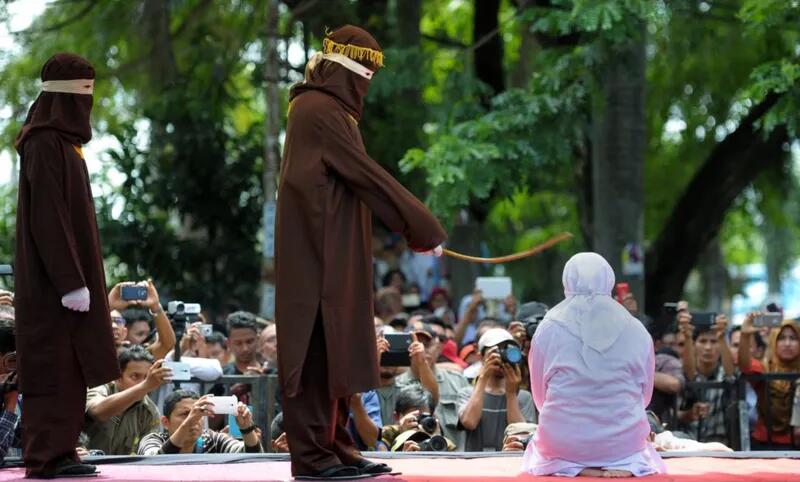
A public punishment in Indonesia’s Aceh province has drawn renewed international attention after an unmarried couple was caned 140 times each for alleged sexual relations and alcohol consumption. The woman reportedly fainted during the ordeal, prompting widespread concern about the physical and psychological impact of such penalties. The incident has intensified global discussion about sharia enforcement in the region and how it intersects with modern human rights standards.
Aceh holds a distinct legal position within Indonesia, the world’s largest Muslim majority nation. While Indonesia’s national system is based on civil law and recognizes religious diversity, Aceh was granted special autonomy in 2001 following a peace agreement that ended decades of separatist conflict. This arrangement permits the province to implement Islamic criminal bylaws, making it the only part of the country where formal sharia enforcement governs certain aspects of public morality and personal conduct. These rules address issues such as dress, gambling, alcohol use, and relationships outside marriage.
According to local authorities, the couple’s punishment followed established legal procedures under Aceh’s Islamic regulations. Public caning is presented by officials as a deterrent designed to uphold community values and religious principles. In their view, sharia enforcement reflects the cultural identity of the Acehnese people and operates within a framework they consider legitimate and locally supported. However, the severity of the sentence and the public nature of the punishment have again placed the province under intense scrutiny.
Witnesses described the caning taking place in an open setting before a crowd, which is customary under Aceh’s system. Religious police and officials supervised the process. Reports that the woman lost consciousness during the punishment have raised urgent questions about safety and proportionality. Medical staff were said to have intervened, but the image of a defendant fainting during sharia enforcement has become a powerful symbol in the broader human rights debate.
International rights organizations have long criticized corporal punishment in Aceh, arguing that it violates global norms prohibiting cruel and degrading treatment. They contend that punishing consensual adult relationships through physical force intrudes on privacy and bodily autonomy. For these groups, public caning carried out under sharia enforcement represents not only physical pain but also humiliation that can have lasting emotional and social consequences.
The social stigma attached to public punishment can be severe. Individuals subjected to caning may face difficulties in employment, marriage prospects, and community standing. Women, in particular, may experience harsher judgment due to prevailing gender expectations. Critics say that the spectacle aspect of sharia enforcement magnifies shame and creates long term psychological scars that go beyond the immediate punishment.
Supporters of Aceh’s system see the issue differently. They argue that the province’s autonomy was democratically negotiated and that Islamic law is integral to local identity. From their perspective, sharia enforcement is a moral safeguard that promotes social order and discourages behavior seen as harmful to the community. Some officials maintain that the punishments are controlled and symbolic rather than intended to cause lasting injury, and that outside observers often misunderstand the religious and cultural foundations behind them.
The Indonesian central government has adopted a cautious stance. Jakarta must balance respect for Aceh’s autonomy with its commitment to pluralism and its international image. Although national leaders have occasionally expressed concern, they have not moved decisively to dismantle the provincial legal framework. This balancing act illustrates the complex relationship between regional authority and national law, especially when sharia enforcement draws global criticism.
The incident also underscores a generational and cultural divide within Indonesia. Younger citizens in more urban and diverse areas often question corporal punishment and advocate for reforms emphasizing personal freedom and privacy. Social media has amplified these perspectives, ensuring that events in Aceh are discussed nationwide. At the same time, conservative groups elsewhere in the country sometimes call for stronger moral legislation, suggesting that debates surrounding sharia enforcement resonate far beyond one province.
As reports and images from the caning circulate internationally, the case highlights how legal systems within a single nation can differ dramatically. For the couple involved, the punishment is a deeply personal and painful experience. For Indonesia, it represents an ongoing struggle to balance faith, regional identity, legal autonomy, and universal human rights principles. Whether sustained attention and criticism will lead to changes in sharia enforcement practices in Aceh remains uncertain, but the controversy ensures that the province’s approach to justice will continue to face close global examination.





