

















RelatedPosts
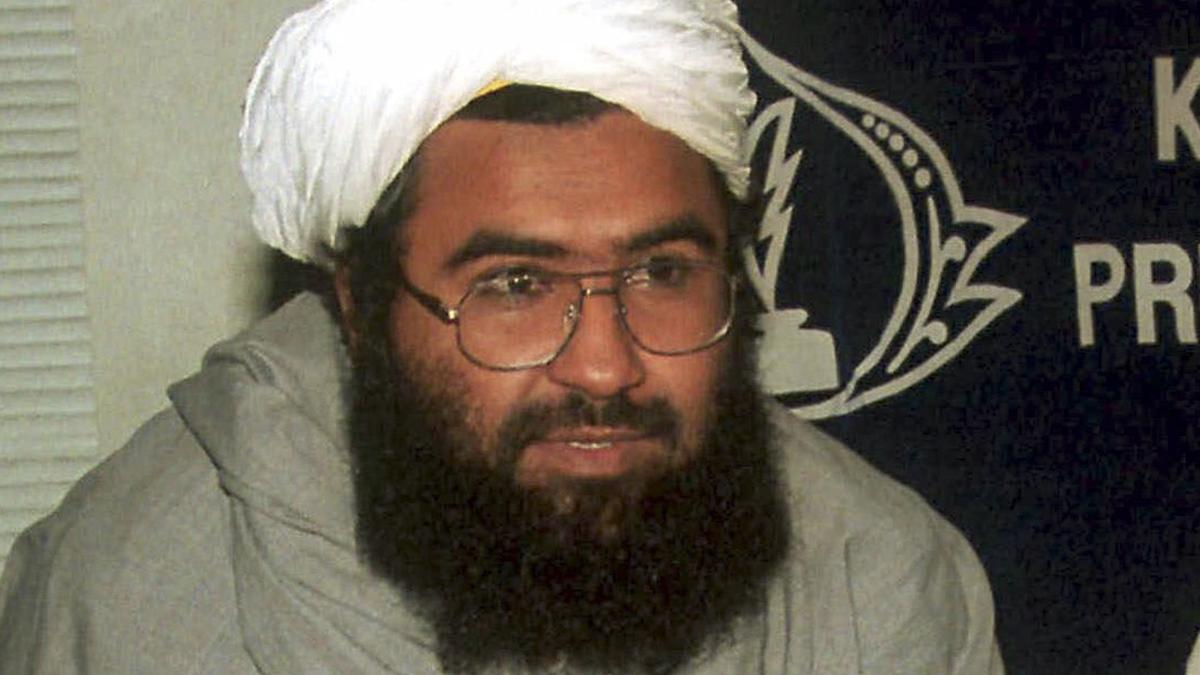
An audio recording allegedly featuring Masood Azhar, the chief of the banned terror organisation Jaish-e-Mohammed, has once again brought into sharp focus the enduring threat of Pakistan-backed terrorism against India. In the recording, Azhar claims that a massive pool of suicide attackers is ready to strike at any moment, projecting an image of limitless manpower and ideological fanaticism. While the authenticity and timing of the audio cannot be independently verified, its contents reflect a familiar pattern of intimidation, propaganda, and psychological warfare that Azhar and his organisation have deployed for decades.
Masood Azhar is no fringe figure. He is a United Nations designated terrorist who has been at the centre of some of the most audacious and deadly attacks on Indian soil. Operating openly from Pakistan for years, Azhar has consistently used rhetoric steeped in violence and religious extremism to incite attacks against India. The resurfacing of such a recording, even if unverified, underlines how terror leaders continue to attempt relevance through threats when their operational capabilities are under pressure.
In the audio, Masood Azhar makes a dramatic claim about the number of suicide bombers at his disposal. He asserts that they are not just a handful or even hundreds, but far beyond a thousand, suggesting that revealing the true figure would shock global media. This statement is clearly designed to amplify fear and exaggerate strength. Terror outfits have historically inflated numbers to mask losses, maintain morale among cadres, and signal resilience to both supporters and adversaries. Such claims often say more about desperation than dominance.
Masood Azhar also claims that these individuals are impatient and eager to infiltrate India to attain what he describes as martyrdom. This language reflects the core strategy of groups like Jaish-e-Mohammed, which rely heavily on radicalisation, indoctrination, and the glorification of suicide attacks. By framing violence as a sacred duty, such groups exploit vulnerable minds and transform them into expendable weapons. The recording, therefore, is not merely a threat but a propaganda tool aimed at sustaining this cycle of radicalisation.
The audio fits into Masood Azhar’s long history of anti-India rhetoric. For years, he has issued inflammatory speeches and statements calling for attacks, celebrating bloodshed, and demonising the Indian state. He is accused of masterminding the 2001 attack on the Indian Parliament, an assault that brought India and Pakistan to the brink of war. His name has also been linked to the 2008 Mumbai terror attacks that killed over 160 people and traumatised the nation. These incidents established Azhar as one of the most dangerous jihadist ideologues in South Asia.
The latest message has surfaced months after Indian forces carried out precision strikes on Jaish-e-Mohammed targets inside Pakistan. These operations reportedly included strikes on the group’s headquarters in Bahawalpur, a city long known as stronghold of Masood Azhar. According to reports, several of Azhar’s close relatives were killed in these strikes, delivering both an operational and symbolic blow to the terror network. The strikes were part of India’s response to the April 22 attack in Pahalgam, where 26 civilians lost their lives in yet another act of terror.
These developments provide crucial context to the audio recording. When terror leaders issue grandiose threats after suffering setbacks, it often signals an attempt to reclaim lost psychological ground. The emphasis on large numbers and imminent attacks may be intended to reassure supporters and intimidate security agencies, even as the group faces sustained pressure from Indian counterterror operations.
Indian security agencies continue to track and dismantle the domestic and cross-border networks linked to Jaish-e-Mohammed. Delhi Police sources have reportedly linked Umar Mohammad, a suspect in a deadly Delhi blast that killed at least 15 people and injured around 20 others, to the Pakistan-based terror group. Such linkages highlight how groups like JeM seek to maintain influence by cultivating operatives and sympathisers far beyond the border, using local recruits and sleeper cells to extend their reach.
Masood Azhar himself has largely disappeared from public view since 2019. That year, his hideout in Bahawalpur was hit by a powerful blast carried out by unknown attackers, which he survived. Since then, he has not appeared publicly, fuelling speculation about his health, security, and operational control. His absence, however, has not diminished the ideological footprint of Jaish-e-Mohammed, which continues to inspire violence through recorded messages, statements, and proxy operatives.
The alleged audio recording of Masood Azhar serves as a stark reminder that the threat of terrorism in the region has not vanished. It also exposes the continuing challenge posed by terror leaders who enjoy safe havens, ideological support, and operational freedom across the border. While the claims made by Azhar may be exaggerated, their intent is unmistakable. They are meant to spread fear, provoke instability, and project an image of unbroken strength. For India, the response lies not in panic but in sustained vigilance, international pressure, and relentless action against the terror infrastructure that enables figures like Masood Azhar to issue such threats in the first place.