





















India is weighing multiple options to maintain its presence at Chabahar port amid rising pressure from the United States on Iran. This pressure has created uncertainty around the future of the port, which remains central to India’s regional connectivity plans, according to people familiar with the matter.
The Trump administration granted a six-month exemption from US sanctions for Chabahar port last year. This waiver remains valid until April. During this period, the Indian government has taken steps to limit the exposure of state-owned entities and officials to possible US sanctions, the people said.
Meanwhile, External Affairs Ministry spokesperson Randhir Jaiswal said India continues to engage with Washington on the issue. He recalled that on October 28, 2025, the US Treasury issued guidance on a conditional sanctions waiver valid until April 26, 2026. He dismissed reports suggesting India was withdrawing from the project and said discussions with the US remain ongoing.
At the same time, Indian officials have focused on protecting government bodies and individuals from punitive measures, including personal sanctions. India has already fulfilled its commitment to invest $120 million in developing the port under a 10-year agreement signed with Iran in May 2024.
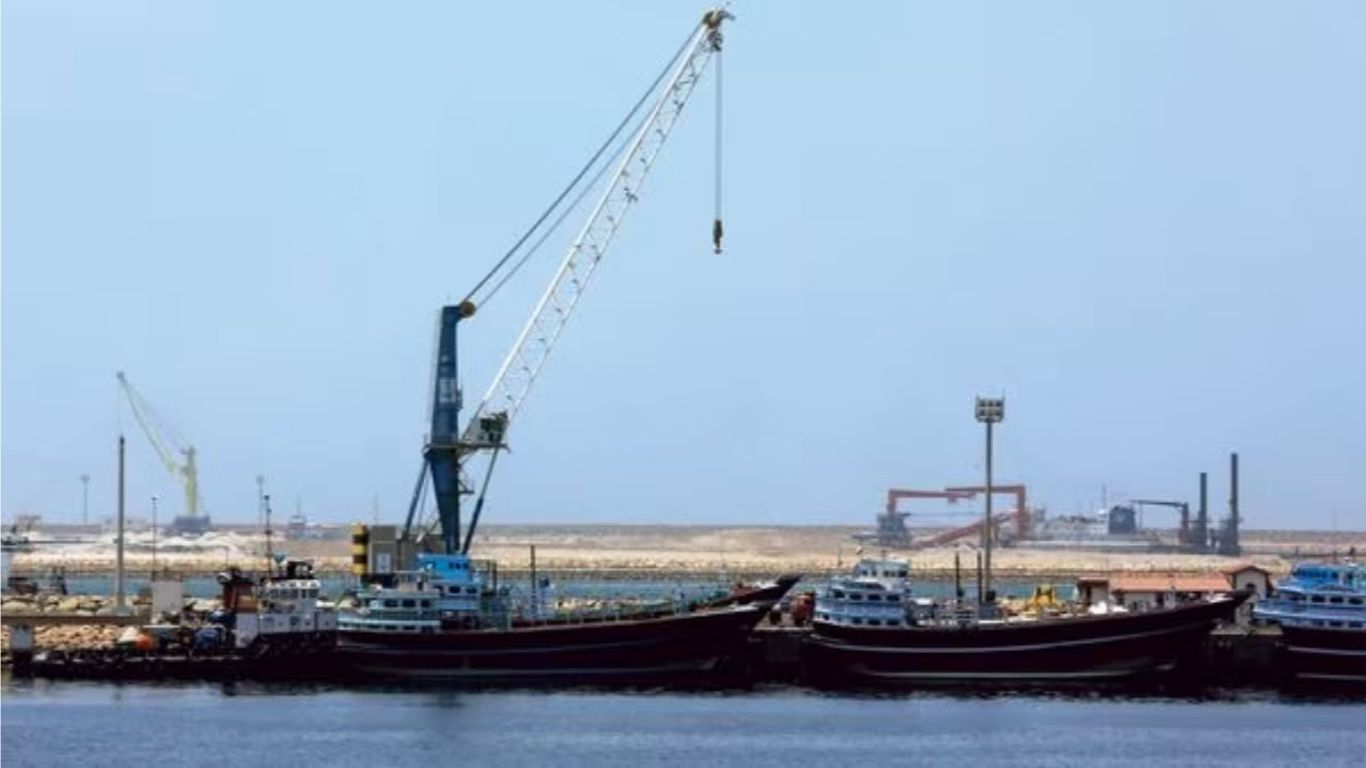
This funding supports upgrades at the Shahid Beheshti terminal, including cranes, forklifts, and unloading equipment. However, all Indian government officials on the board of India Ports Global Ltd, which has operated the terminal since 2018, have resigned to reduce sanction risks.
In addition, India is considering setting up a new entity to manage terminal operations. This body would either avoid exposure to sanctions or have the capacity to withstand them.
India still has around four months to resolve the issue and continues discussions with the US. The urgency has increased after President Donald Trump threatened a 25% tariff on countries trading with Iran following Tehran’s crackdown on protests.
However, Indian officials believe the impact would be limited. India-Iran trade stood at $1.68 billion in 2024-25, just 0.15% of India’s total trade. Moreover, uncertainty remains over the tariff threat, as it appeared only in a social media post and not through a formal order. India already faces 50% US tariffs, including a 25% penalty linked to Russian oil imports.
Why Chabahar Port Is Important for India
Chabahar port holds strategic importance for India because it provides direct access to Afghanistan and Central Asia without passing through Pakistan. As a result, India can bypass long-standing geopolitical barriers and strengthen regional trade links. Moreover, the port plays a key role in the International North-South Transport Corridor (INSTC), which connects India with Russia and Europe through Iran. This route reduces transit time and lowers logistics costs.
In addition, Chabahar helps India balance growing Chinese influence in the region, especially China’s presence at Gwadar port in Pakistan. The port also supports India’s humanitarian outreach to Afghanistan by enabling the delivery of food and aid. Politically, retaining a presence at Chabahar keeps Iran engaged with India at global forums, including on sensitive issues such as Kashmir. Therefore, despite sanctions pressure, Chabahar remains vital to India’s strategic, economic, and diplomatic interests.