
















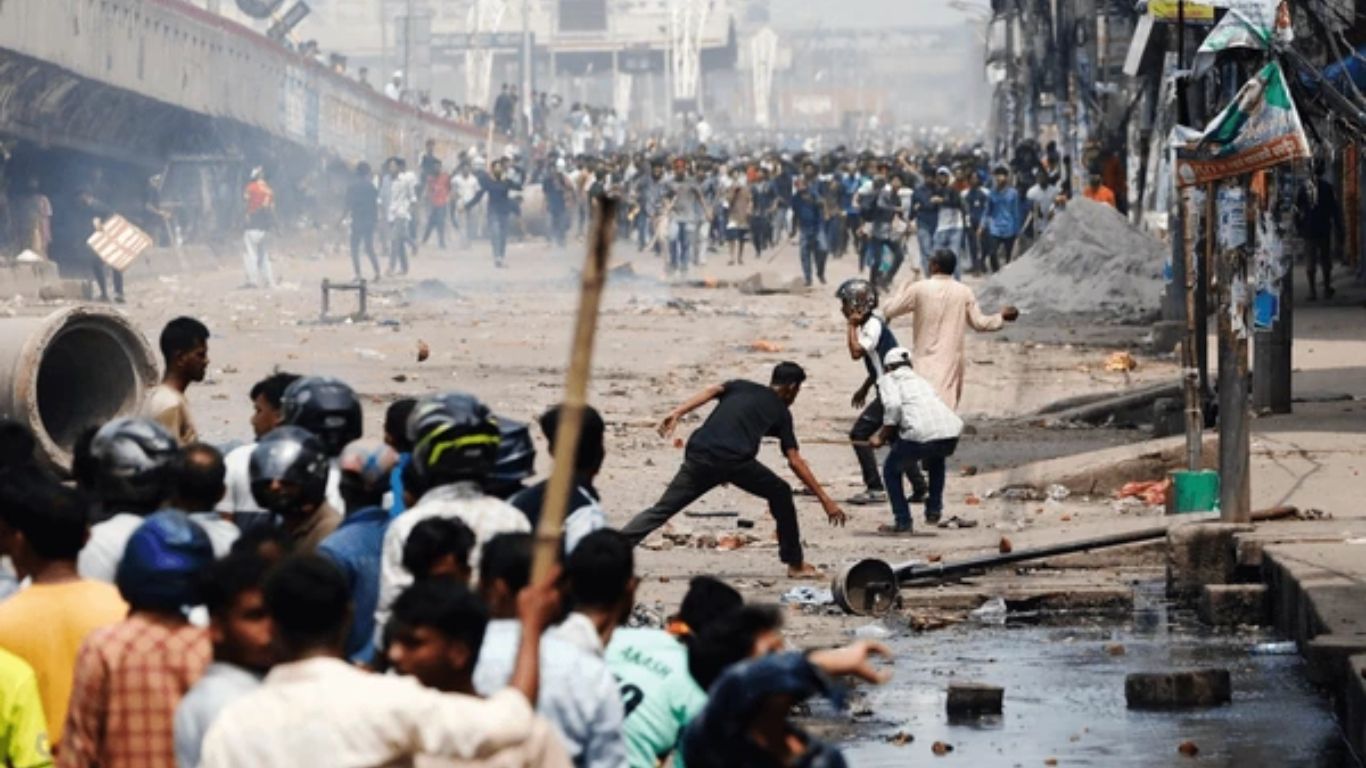
Bangladesh is facing renewed political and social unrest days after the killing of radical Islamist youth leader Sharif Osman Hadi, an incident that has triggered widespread violence, diplomatic tensions with India, and international concern over the safety of minorities in the country.
Killing of Hindu Man Triggers Anger in India, Protests in Kolkata
Tensions escalated with India further after the killing of Dipu Chandra Das, a Hindu garment worker, in Bangladesh’s Mymensingh district. Das was beaten by a mob, dragged out of his factory, hung, and set on fire over blasphemy allegations. Later reports suggested that the accusations were vague and that no evidence of blasphemy was found.
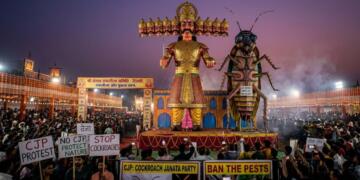
The incident triggered massive outrage in India. Protests erupted outside the Bangladesh High Commission in Kolkata. They have reportedly warned of further agitation, including border blockades. Not only in Kolkata, protests also took place outside Bangladesh’s assistant high commission in Tripura, by the Tipra Motha Party and other groups.
After the protests outside its diplomatic missions in India, Bangladesh reportedly suspended visa services at the High Commission in New Delhi and missions in Tripura and Siliguri, citing security concerns.
Also Read: Lynching in Bangladesh Exposes the Menace of Islamic Radicalism and Mob Justice
India Summons Bangladesh Envoy; UN and US Express Concern
India reacted strongly to the developments. New Delhi condemned the killing of the Hindu man and raised serious concerns over the safety of minorities in Bangladesh. The Ministry of External Affairs summoned Bangladesh HighCommissioner Riaz Hamidullah to lodge a formal protest. The summons also followed controversial remarks by National Citizen Party leader Hasnat Abdullah, who claimed Bangladesh could shelter separatist forces hostile to India.
International concern has continued to grow. United Nations Secretary General Antonio Guterres voiced deep concern over the violence. His spokesperson said minorities must feel safe in Bangladesh and stressed that the government has a responsibility to protect all citizens.
The US has also stepped in diplomatically. The US High Commission reportedly held a phone call with interim leader Muhammad Yunus, urging restraint, accountability, and protection of minority rights amid the worsening crisis.
With another student leader, Mohammad Motaleb Sikder, shot in Khulna earlier this week, Bangladesh remains on edge as both regional and global actors closely monitor the unfolding situation.
Violence After Student Leader’s Death Sparks Nationwide Unrest
The situation worsened after Inqilab Moncho, the platform Hadi belonged to, warned of launching a movement to oust the Muhammad Yunus-led interim government if justice is not delivered. Fresh violence first erupted last week after Hadi, a student leader and a key face of last year’s July uprising against former prime minister Sheikh Hasina, died during treatment in Singapore. He had been shot in Dhaka days earlier.
Following his death, violent protests broke out across parts of the country. Several media offices were targeted, with prominent newspapers such as The Daily Star and Prothom Alo attacked and torched. Some journalists were trapped inside their offices for hours before being rescued, highlighting the deteriorating law and order situation.