











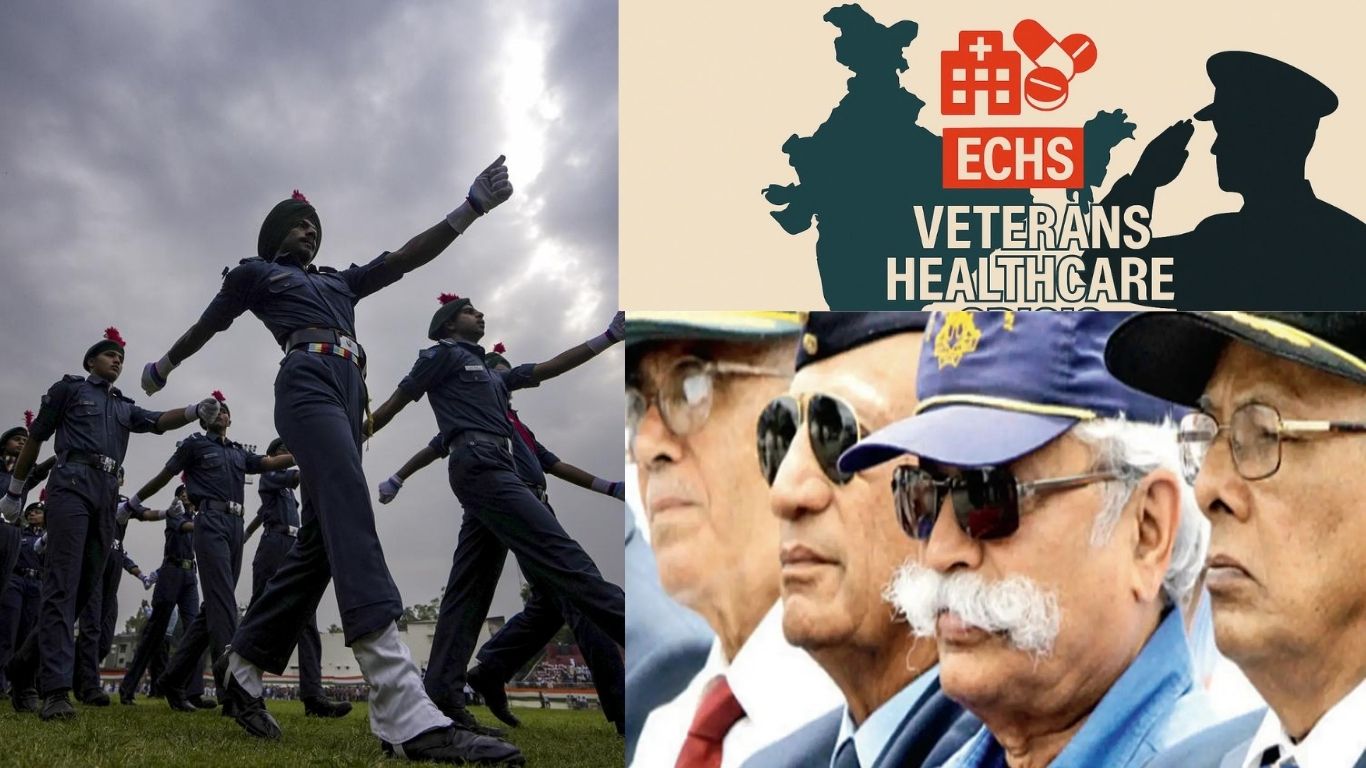
It was meant to be the country’s most sacred promise, that those who spent their youth in uniform would not spend their twilight in queues. The Ex-Servicemen Contributory Health Scheme (ECHS), was born in 2003 out of that pledge and was envisioned as a safety net of care for over 55 lakh veterans and dependents. Today, that net is frayed beyond recognition. Clinics are understaffed, empanelled hospitals are disengaging, and the silence in waiting halls tells its own story: a health system that was designed for heroes has itself been placed on life support.
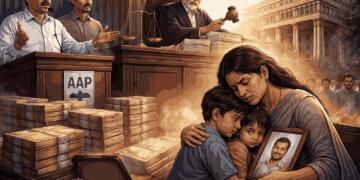
Parliamentary committee reports in recent years have recorded what veterans have long known. Payments to private hospitals are delayed for months, sometimes years. According to data tabled in 2024, arrears exceeding ₹1,100 crore were pending with empanelled institutions. Hospitals that once competed for ECHS contracts are now withdrawing in clusters. For them, patriotism cannot pay salaries or service MRI machines. A cardiac procedure that costs lakhs cannot be indefinitely written off as goodwill. When reimbursements don’t arrive, the moral argument collapses under the arithmetic of survival.
Across the country, the case is the same for everyone – veterans are turned away, referrals are denied, and lifesaving treatment is reduced to layers of rotting paperwork in folders hidden away in corners the spiders don’t visit. Retired personnel are repeatedly told at various empanelled hospitals that the hospital has temporarily suspended ECHS admissions. A few years back, dialysis patients in Pune from ECHS were asked to shift to government hospitals because private units could no longer sustain the costs. In Lucknow and Jalandhar, clinics that once handled hundreds of cases monthly have exited the scheme entirely. Each withdrawal is a quiet betrayal that rarely reaches the news cycle.
The tragedy here is not the lack of infrastructure, rather, it is the deliberate neglect of maintenance and payment. ECHS polyclinics across the country operate with skeletal staff with many sanctioned posts for doctors, lab technicians, and pharmacists remaining vacant. Essential medicines are unavailable for weeks at a time. Medical officers, stretched thin, rotate between centres that serve thousands. The scheme’s digital systems, meant to improve efficiency, has instead turned cumbersome. The online referral portal often collapses under demand, forcing veterans in their seventies to travel back and forth just for printouts of authorisations.
The government’s own records admit to systemic rot. A 2023 Standing Committee on Defence noted that the timely settlement of bills remains the single largest impediment to ECHS efficacy. The Committee urged the Ministry of Defence to explore a separate budget head to clear hospital dues swiftly, a recommendation that remains on paper. DESW (Department of Ex-Serviceman Welfare) data shows that empanelment, once rising, has plateaued at around 2,000 hospitals nationwide, a figure grossly inadequate for the size of the beneficiary base. The ratio of polyclinics to veterans is equally damning: in several states, one clinic caters to over 50,000 cardholders.
And yet, the issue is not just administrative, it is also moral. When an old soldier is made to sit outside a clinic waiting for approval for cataract surgery, or when a widow is forced to travel over 200 kilometres to get her husband’s reimbursement processed, it is not inefficiency at play, it is indifference. A system that demanded precision, discipline, and punctuality from them now excuses its own lapses as procedural delay. It is a cruel irony that those who once fought wars in deserts and glaciers must now fight battles over reimbursement codes.
The hospitals too, though vilified in some quarters, stand trapped in the same web. Private institutions operate on balance sheets, not benevolence. They must pay staff, maintain machines, and replenish stock. When ECHS dues stack up for multiple financial years together, administrators face impossible choices – either deny admission to veterans or compromise on service. Many choose to withdraw entirely. It would not be right to label their exit as corporate greed, nay, for them, it is survival. Treatment is treatment, regardless of who foots the bills. In the end, both the healer and the healed become casualties of a broken covenant.
Inside the ECHS bureaucracy, accountability has lost all elasticity. Each delay is blamed on another node, the regional centre on the central office, the central office on the Controller of Defence Accounts, and the CDA on verification requirements. The labyrinth of authorisations, counter-signatures, and digital certifications turns a simple reimbursement into a Kafkaesque pilgrimage. No one seems to own the system, yet everyone claims it works. Veteran organisations have long pleaded for reforms, such as direct budgetary allocation for hospital payments, a unified digital dashboard for transparency, and decentralised authority to clear smaller bills. Their petitions are acknowledged with sympathy and shelved with silence. Meanwhile, arrears swell, and faith drains away. Some veterans now pay out of pocket for emergency care; a cruel inversion of the founding principle for the ECHS.
This was never supposed to be charity. The soldier’s health cover is not an act of benevolence; it is a deferred instalment of the debt the nation owes. To reduce it to an optional expenditure is to erode the moral foundation of service itself. The cost of neglect cannot be measured in cash bundles; it must be counted in the quiet suffering of those who once bore the cost of our safety.
(Shashwat Gupta Ray is a multiple award-winning defence and strategic affairs journalist with over 20 years of experience in print and digital media. Previously Deputy Editor at Herald Group of Publications and Resident Editor at Gomantak Times, he has extensively covered major events, including the 26/11 Mumbai terror attacks and Maoist insurgencies. He is also the creator of the award-winning YouTube channel Uncovering India, which focuses on impactful social and developmental documentaries.)