



















RelatedPosts
America loves to preach about human rights, caste discrimination, minority protection and constitutional morality to the rest of the world. Washington policymakers and commentators frequently raise fingers at India, accusing it of social inequity and bias. Yet, when the veil slips inside the United States itself, the reality that emerges is far more unsettling than the polished rhetoric America exports abroad. The controversy over Joy Reid’s recent podcast remark is not just another media skirmish. It is a revealing moment that exposes a society struggling with racial tension, cultural prejudice and a deep strain of resentment that even the Second Lady–designate of the country cannot escape.
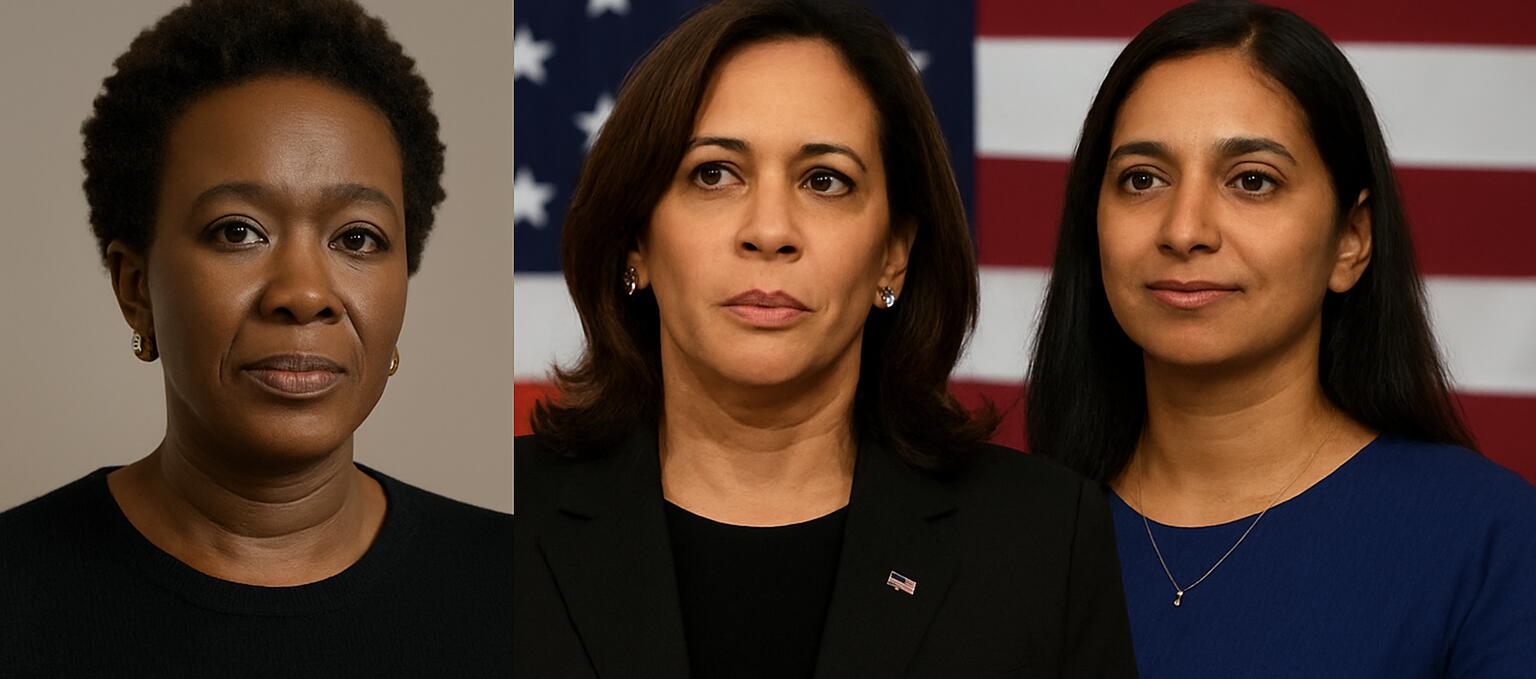
At the heart of the uproar is Joy Reid’s shocking suggestion that JD Vance would eventually abandon his Indian American wife, Usha Vance, for a slain far right commentator. The statement was not merely speculative. It was laced with insinuation, disrespect and a racial undertone that has left many stunned. The fact that Reid herself is African American only intensifies the contradiction. A commentator who understands discrimination firsthand is now accused of weaponising her position to demean another woman of colour. This is not just about one comment. It is about a mindset that continues to thrive within American discourse, where minority women are often held to different standards, exoticised or reduced to stereotypes.
In a nation that claims to champion equality, the reaction to Usha Vance is deeply telling. She has been mocked for her heritage. She has been questioned for her identity. She has been targeted in a way that exposes America’s own unresolved debate about race and cultural belonging. The crux of this story is not merely Joy Reid’s statement but the environment that allows such a remark to pass as casual political banter. If the wife of a vice presidential candidate is not safe from racialised commentary, what does it say about the experience of ordinary immigrants, students, professionals and families who navigate the same landscape without any public platform to defend themselves?
India is frequently lectured on caste, religion and inclusion by US think tanks and media panels. Yet the American social fabric is fraying under the weight of gun violence, racial profiling, migrant hostility and ethnic tension. Joy Reid’s remark becomes a symbolic example of a broader malaise. Even among educated and influential voices, bias lurks quietly beneath the polished surface. It reveals an uncomfortable truth. America often weaponises moral superiority as a geopolitical tool, but struggles to maintain that moral clarity at home.
The deeper issue is the normalisation of racial insinuation in public debate. Usha Vance has been projected as an outsider in subtle and overt ways. Critics have questioned her cultural identity in a manner that would be immediately condemned if directed toward other ethnic groups. In paragraph after paragraph of commentary, one sees a double standard that remains deeply rooted in American political culture. When the spouse of a politician is targeted, the attack is rarely merely political. It becomes personal. It becomes racial. It becomes a way of signalling who is allowed to belong and who must justify their presence. And in this context Joy Reid’s remark comes as a terrible shock
This controversy also shines a light on the growing cultural insecurity in the United States. With demographic shifts and rising diversity, the American mainstream is struggling to define what it means to be American. Instead of embracing plurality, certain segments fall back on suspicion, caricature and coded prejudice. The crux of this dynamic is clear. Joy Reid’s remark is not an isolated misstep. It reflects the discomfort with interracial relationships, immigrant success and families that do not fit traditional narratives. The Second Lady becomes a target not because of her politics but because her very existence challenges old assumptions about identity.
A larger hypocrisy emerges here. American commentators routinely label India as a society still wrestling with hierarchical divisions. Yet the United States remains deeply segregated, both socially and psychologically. From unequal policing to racially motivated shootings, from discriminatory housing patterns to workplace barriers, the American racial question is far from resolved. That unresolved tension seeps into political discourse, where women like Usha Vance become convenient symbols for anxiety and resentment. The crux of the problem is a mindset that chooses hostility over understanding.
Another unsettling dimension of the controversy is the silence of many who typically champion women’s rights, minority representation and dignity. When the target is an Indian American woman married to a conservative politician, the outrage mysteriously softens. Principles become selective. Empathy becomes conditional. The episode demonstrates how ideological bias can override the basic commitment to respect that should guide public discussion.
Ultimately, Joy Reid’s episode forces America to confront its own contradictions. A country that positions itself as the global guardian of equality must first examine the fractures in its own house. The insult leveled at Usha Vance is not merely a careless remark. It is a reflection of the fears, insecurities and prejudices that continue to simmer beneath America’s multicultural surface. The crux is simple. A society that cannot treat a future Second Lady with dignity cannot claim to be the world’s moral compass.
The real question now is whether America will introspect or simply move on to the next controversy. Will it confront the mindset that allows racialised commentary to masquerade as political analysis? Or will it continue to preach abroad while ignoring the tensions at home? The answer will determine whether the United States remains trapped in its contradictions or evolves into the inclusive nation it insists it already is.





