























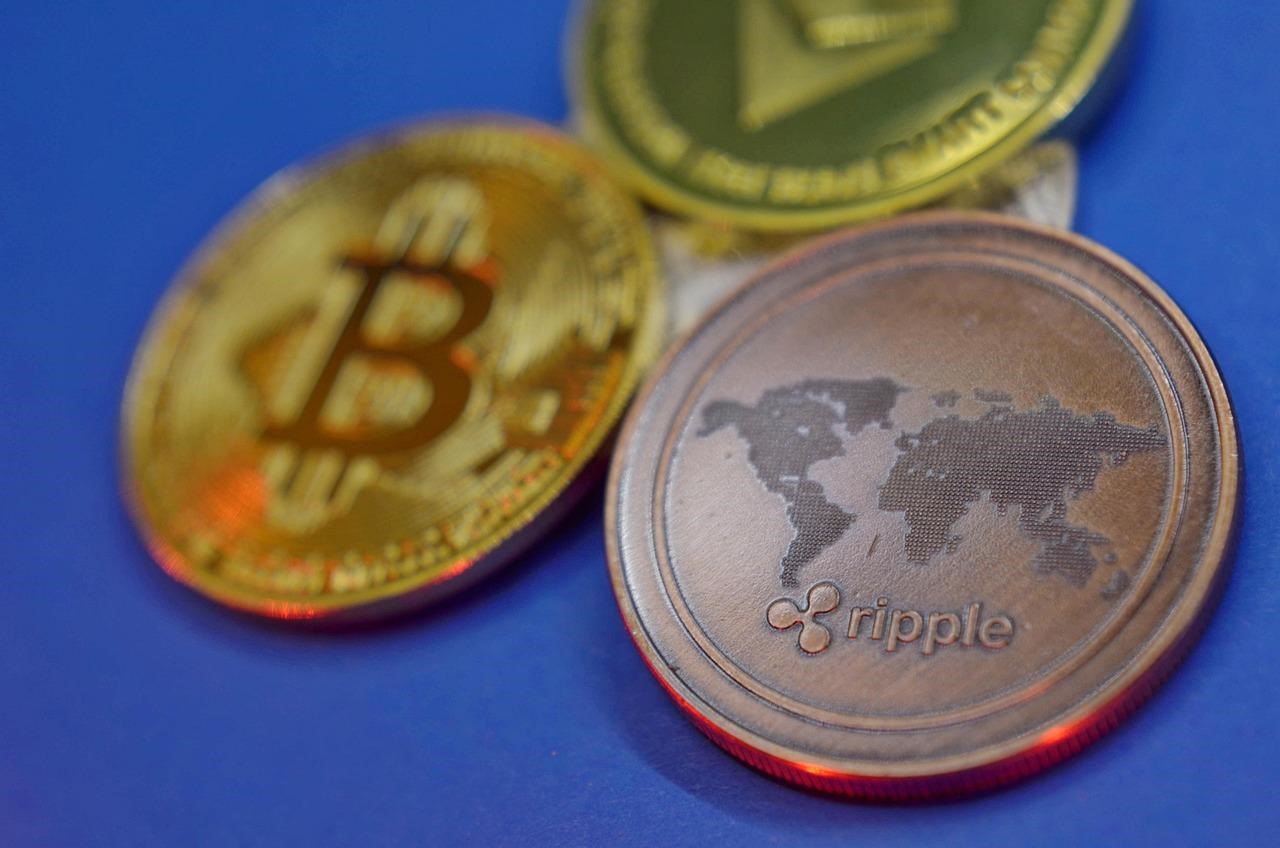
Comparing cryptocurrencies as an investor or trader is crucial in understanding the dynamics of supply and demand that affect a coin’s value. Assets like Bitcoin, which have a limited coin supply, might increase in price over time due to growing demand for an asset that will eventually mint all its tokens. On the other hand, the value of assets with an unlimited supply, such as Ethereum, has other mechanisms that drive prices up.
As Bitcoin has become a reliable cryptocurrency on the financial market and is on its way to worldwide adoption, analyzing its features alongside those of a similar asset can help users make better decisions with their resources. For example, Ripple’s XRP is heavily used by companies and startups that want to benefit from openness towards decentralization but are still transitioning between technologies. This feature supports its development, offering a positive future outlook for the asset according to the latest XRP price prediction stats.
So, let’s see what makes BTC and XRP special when compared side by side.
BTC is considered the digital gold
Bitcoin has achieved the term “digital gold” since it serves as a digital store of value with a limited supply and increasing adoption. There are only 21 million bitcoins in total, with more than 19 million already in circulation. However, this doesn’t mean Bitcoin’s end is anywhere near, as the process known as halving will slow down the mining process, extending until 2140, when the last Bitcoin will ever be mined.
Halving occurs approximately every four years since the beginning of BTC, and it is responsible for reducing the reward rate for mining blocks by 50%. The latest halving was in 2024, with the reward for miners lowering to 3.125 BTC from 6.25 BTC. The halving process has successfully created scarcity for Bitcoin over the years, making it a highly demanded and valuable cryptocurrency. The mechanism preserved the coin’s value by protecting it against volatility.
The link between gold and Bitcoin is of no meaning. According to Binance.com Research, “Gold’s rally to all-time highs has historically led Bitcoin by about 10 weeks, and with Bitcoin’s correlations to gold and U.S. yields strengthening, crypto markets could be next in line for a surge.”
XRP is known as a better Bitcoin
XRP is an alternative to Bitcoin for many users, as it provides:
- Faster transaction settlements of a maximum of five seconds;
- More affordable transactions, of about $0.0002/TX;
- Enhanced scalability, sustaining 1,500 TX per second;
- Superior sustainability that doesn’t rely on expensive hardware;
The Ripple company aims to help global companies build a better, high-performance payment system, directly targeting the world’s most important industries. The ecosystem has grown considerably recently, with more than 1,500 apps or exchanges built on the XRPL blockchain. The ledger connects businesses with developers in the pursuit of creating tools and products that improve a specific issue, which will matter considerably in the future of decentralization.
The main differences between XRP and BTC stand in vision
While XRP’s goal is to complement traditional payments, Bitcoin is a direct open-source software that users can access to manage their digital money. Hence, companies that want to migrate transactions and approach an open infrastructure for their finances will opt for XRP, while regular users who wish to expand their money management outside central banks will prefer Bitcoin.
The network design differs between the two projects. Bitcoin relies on mining, a process that requires expensive and energy-intensive hardware for miners to mine one Bitcoin and receive rewards. On the other hand, XRP operates without mining and works only with specific nodes that validate transactions on the network, which makes transactions faster than other networks.
Finally, XRP also features a unique system that creates scarcity, as there will only ever be 100 billion XRP in circulation. For example, senders of XRP will allocate a small amount of the asset to be destroyed and deducted from the total supply.
Which asset is best for investments?
When it comes to investment opportunities, both XRP and BTC are efficient in providing long-term value and protection against volatility. However, Bitcoin is generally preferred by investors due to its reliability and resilience. The price has withstood several challenging lows in history, gaining more appreciation and power.
On the other hand, XRP hasn’t yet had the time to grow as much as Bitcoin has, but historically speaking, it has continued to grow despite bearish seasons. Thus, it has proven its value and is important for companies entering the decentralized industry, making it an efficient investment. Using both in one’s portfolio can strengthen one’s success for every type of investor.
Analyzing the drawbacks of XRP and BTC
Like every other coin, both XRP and BTC have some disadvantages that investors should be aware of. For instance, Bitcoin is known for its significant energy consumption in mining, contributing to up to 2.3% of the US’s electricity consumption, according to the U.S. Energy Information Administration (EIA). In addition, advocates for climate change are concerned about the carbon dioxide emissions generated by electricity grids during peak demand.
XRP, on the other hand, may be more sustainable, but it has struggled with US regulatory issues as the SEC initiated a lawsuit against Ripple, claiming that XRP is an unregistered cryptocurrency, which has affected the value and perception of the coin. Although the process ended with Ripple winning, the event has still left an unpleasant feeling about the adoption of digital assets.
XRP has also been alleged to have centralization issues, as the underlying company holds a significant portion of the XRP total supply, which poses risks of market manipulation and control. This can significantly impact how users perceive the business behind the coin.
Final considerations
Bitcoin and XRP are two prominent cryptocurrencies in the growing market, with massive popularity among investors and traders. While XRP targets companies in helping them navigate the challenges of migrating towards decentralized ecosystems, Bitcoin is more useful for individuals in owning their financial assets. Both coins are suitable for investing, but BTC still overpowers XRP. Still, issues such as Bitcoin’s lack of sustainability and XRP’s concerns about centralization can hinder faster global adoption.
*The opinions expressed in this article are purely those of the author and do not necessarily reflect the views of TFI Media. The content should be taken as the sole perspective of the writer.