



















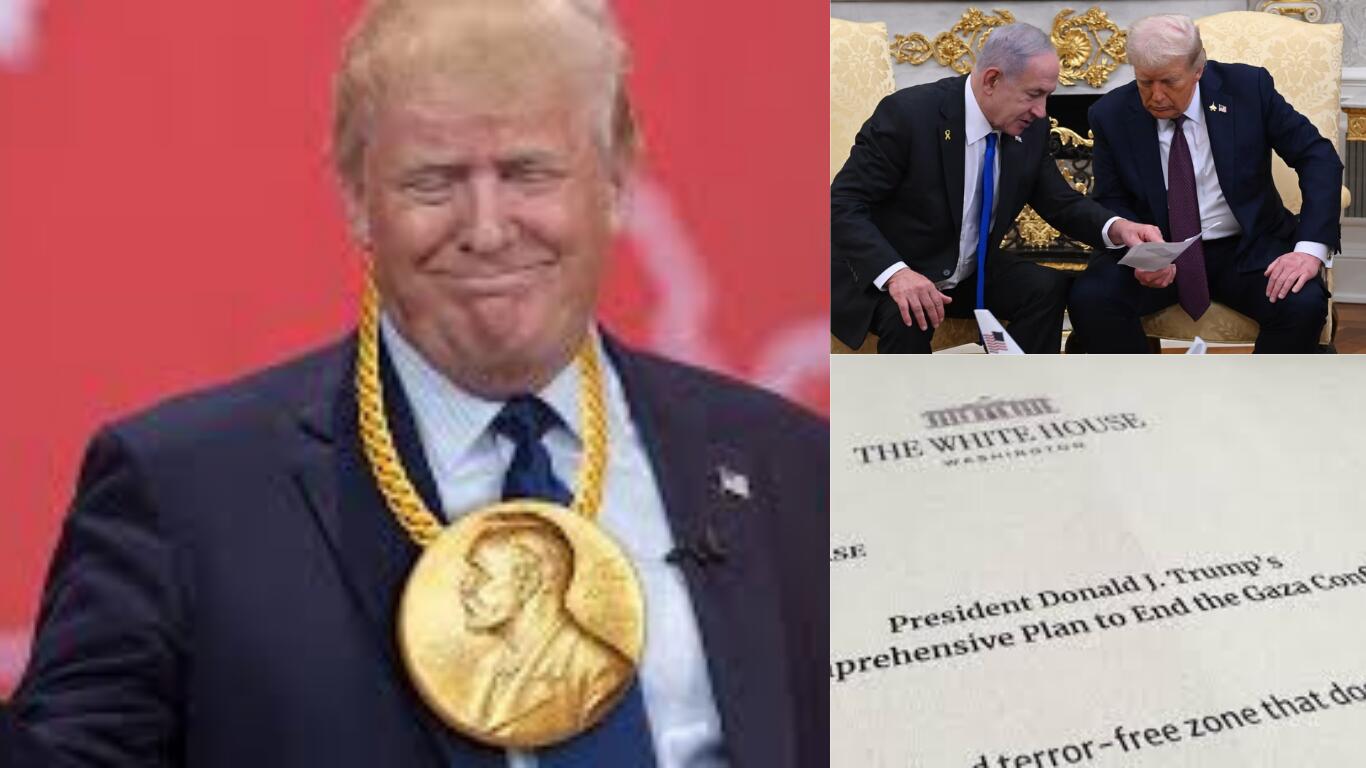
In a major diplomatic jolt, U.S. President Donald Trump’s ambitious bid to secure a Nobel Peace Prize through his 20-point “Comprehensive Plan to End the Gaza Conflict” is facing strong resistance from Hamas. The militant group has signaled its intention to reject the proposal, branding it as a blueprint designed to serve Israel’s interests while sidelining the fundamental demands of the Palestinian people. The refusal threatens to derail what Trump described as a “historic” breakthrough and risks prolonging the Gaza war, which has already entered its second year.
The 20-Point Plan: Ceasefire, Hostages, and Hamas’s Disarmament
The White House unveiled the plan earlier this week, outlining key measures aimed at halting the violence. Central provisions include:
An immediate ceasefire between Israel and Hamas.
Release of all remaining hostages within 72 hours.
Phased withdrawal of Israeli troops from parts of Gaza.
Complete disarmament of Hamas’s military wing.
Exclusion of Hamas from any future role in Gaza’s administration.
Additionally, the plan envisions international funding for Gaza’s reconstruction and proposes a gradual path toward Palestinian statehood. Yet, details on borders, sovereignty, and the future of the Israeli blockade remain vague leaving major Palestinian concerns unresolved. While Israel, along with countries such as Saudi Arabia, UAE, and Turkey, has backed the initiative, Hamas sees the terms as a demand for total surrender.
Hamas Pushes Back: “A Plan for Israel, Not Palestinians”
A senior Hamas figure, speaking to the AFP from Qatar, dismissed the deal as one-sided. “This plan ignores the interests of the Palestinian people and offers nothing new beyond Israel’s long-standing demands,” the official stated. The biggest sticking points remain Hamas’s forced disarmament and its exclusion from governance, which hardliners within the group consider a betrayal of their resistance mandate.
Reports suggest internal divisions inside Hamas: some factions are open to amendments, particularly around disarmament, while others outright reject any compromise. However, analysts note that the factions leaning toward acceptance do not control the hostages, limiting their influence on the final decision. Mediators from Qatar, Egypt, and Turkey are pressing Hamas to reconsider, warning that rejection could lead to catastrophic consequences for Gaza’s civilian population.
Trump’s Ultimatum and Global Backing
Trump, never one to shy away from dramatic deadlines, gave Hamas “three or four days” to accept the deal. He warned that refusal would unleash “hell” on Hamas leadership and bring further misery to Gaza’s residents. “We’ve got momentum Israel’s on board, the Arabs are on board. Hamas has to get on board, or pay the price,” Trump said at the White House.
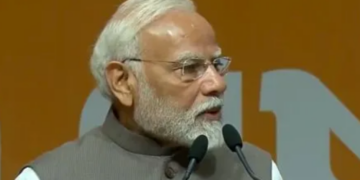
The plan has won strong endorsements from Israeli Prime Minister Benjamin Netanyahu and received cautious approval from world leaders, including UK Prime Minister Keir Starmer and French President Emmanuel Macron. Indian Prime Minister Narendra Modi also welcomed the initiative, framing it as a step toward long-term peace. Still, European leaders have cautioned that without addressing the larger issue of Palestinian sovereignty, sustainable peace remains elusive.
Rising Tensions on the Ground in Gaza
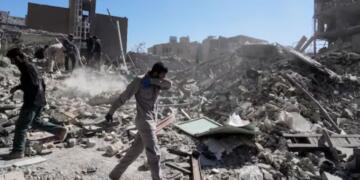
Meanwhile, conditions inside Gaza continue to deteriorate. Israel’s Defence Minister announced a tightened siege of Gaza City, ordering civilians to evacuate northern regions in anticipation of possible military escalation if talks fail. The humanitarian crisis deepens as fuel, food, and medical supplies run dangerously low. For many in Gaza, the uncertainty of negotiations adds to the daily fear of bombardments, displacement, and survival under siege.
The timing is crucial. With Israel still holding hostages and determined to dismantle Hamas’s military capacity, a rejection of the deal could spark fresh military operations. For Trump, such a development would mark not only a diplomatic failure but also a blow to his aspirations for a Nobel Peace Prize, which he has openly coveted.
Peace or Prolonged War?
The fate of Trump’s peace plan hangs in the balance as Hamas prepares its final response. While international mediators urge acceptance, the hardline stance within Hamas leadership threatens to prolong the war, deepen Gaza’s suffering, and escalate Israeli operations. For Trump, the rejection would puncture his hopes of claiming credit as the architect of Middle East peace. For Gaza, it could mean yet another cycle of bloodshed and destruction. Ultimately, the conflict underscores the difficulty of imposing solutions without addressing the deeper issues of sovereignty, occupation, and identity challenges that no quick-fix peace plan can resolve.