
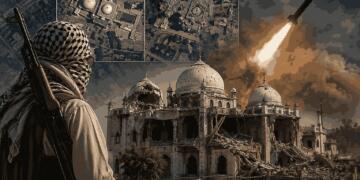

















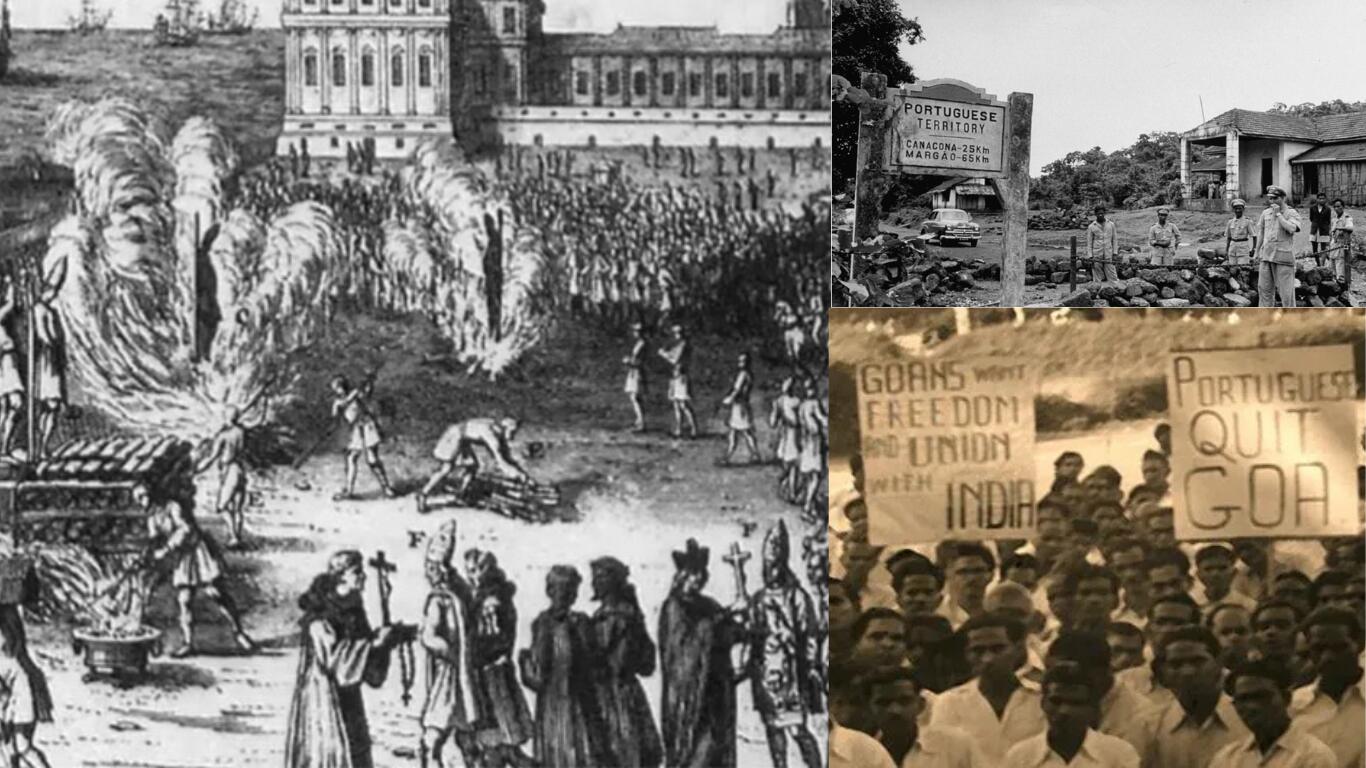
The Goa Inquisition (1560–1812), sanctioned by the Papacy and executed by Portuguese colonial authorities, represents one of the darkest chapters of India’s colonial past. Thousands of Hindus were forcibly converted, temples were razed, cultural memory was destroyed, and torture chambers institutionalized cruelty. Despite overwhelming historical evidence, the Vatican and the Portuguese monarchy have not issued a direct apology, nor acknowledged these crimes as crimes against humanity.
This White Paper outlines India’s potential legal, diplomatic, and educational responses. It proposes symbolic legal action within India, targeted diplomatic measures, compulsory historical education reforms, and the mobilization of the Global South to demand truth and accountability.
It must be understood that all of the global south has been a victim of colonial atrocities, and India can set an example to start such actions, possibly leading the global south for justice.
Background
- The Goa Inquisition (1560–1812): Established under Papal authority at the urging of St. Francis Xavier, the tribunal inflicted systemic torture, forced conversions, and cultural destruction.
- Papal Role: Papal Bulls such as Romanus Pontifex (1455) legitimized slavery and colonial expansion. Letters of Francis Xavier to King John III explicitly demanded an inquisition.
- Portugal’s Role: As executor of the Padroado system, Portugal’s colonial state machinery worked hand-in-hand with the Church.
- Absence of Apology: While vague apologies have been made for “sins of the Church,” there has been no direct acknowledgment of the Goa Inquisition.
This lack of accountability continues to wound collective memory and denies justice to Goans and Indians at large.
Legal Basis for Action
1. Domestic Legal Action
- Establish a Colonial Crimes Commission of India to investigate and document crimes committed under Portuguese rule.
- Recognize the Goa Inquisition as a crime against humanity in Indian law.
- File symbolic cases in Indian courts against the King of Portugal and the Pope as representatives of historical institutions.
2. Reparations and Compensation
- Demand formal reparations from Portugal for temple destruction, cultural loss, and systemic persecution.
- Use precedents such as Kenya’s case against Britain for Mau Mau atrocities.
3. Persona Non Grata Declarations
- Declare the King of Portugal and the Pope “persona non grata” in India.
- Restrict official visits, state honors, and ceremonial participation until a formal apology is issued.
Diplomatic Strategy
1. Boycotts and Sanctions
- Request Global South nations to downgrade ties with Portugal until it acknowledges its colonial crimes.
- Suspend cultural and diplomatic exchanges with Portugal at the bilateral level.
2. Revocation of Recognition
- Maintain recognition of Portugal as a UN member state, but revoke moral recognition of its monarchy and the Vatican as legitimate spiritual or cultural authorities.
3. Raising at Global Platforms
- Use BRICS, SCO, NAM, AU, and UNHRC to frame the Goa Inquisition within the wider history of colonial religious persecution.
- Advocate for a Global South Resolution on colonial accountability.
Educational and Cultural Reforms
1. School Curriculum (NCERT & State Boards)
- Mandate chapters on Portuguese atrocities in Goa and across the Indian Ocean.
- Include specific focus on:
- Forced conversions.
- Destruction of temples and libraries.
- Papal edicts sanctioning slavery and colonization.
- Comparison with church-backed atrocities in Latin America, Africa, and elsewhere.
2. Higher Education (Universities)
- UGC to introduce modules on colonialism and church complicity in history, law, political science, and theology courses.
- Fund research chairs on “Colonial Studies and Religious Persecution.”
3. National Memory Initiatives
- Pass a Colonial Truth & Accountability Act, mandating:
- Compulsory teaching of colonial crimes.
- Preservation and restoration of heritage sites destroyed under Portuguese rule.
- Establishment of a Goa Inquisition Memorial Museum.
- Annual observance of “Goa Inquisition Remembrance Day.”
4. Seminars, Research & Academic Platforms
- ICHR and ICSSR can be tasked to:
- Fund research on Portuguese and Papal crimes.
- Organize national and international conferences on the Goa Inquisition, slavery routes, and church complicity.
- Invite Global South historians (Africa, Latin America) to create a common colonial crimes archive.
- Create digital archives with translations in Indian languages for mass awareness.
5. Media and Public Awareness
- Doordarshan, AIR, and Rajya Sabha TV to run documentaries, panel discussions, and remembrance programs.
- Encourage private media houses to host debates, op-eds, and investigative series.
- Promote Indian cinema, theatre, and literature projects based on real accounts of the Inquisition.
Global South Solidarity
- Joint History Modules: India to share educational content on colonial crimes with Africa, Latin America, and Asia.
- Commemorative Days: Establish a Global Day of Remembrance for Colonial Atrocities.
- Archives: Create a Global South Digital Archive on Colonialism and Religion to consolidate records of church-backed crimes.
- Diplomatic Narratives: Use BRICS and NAM to shift the global narrative, positioning Europe not as a moral teacher but as a historical perpetrator.
Recommendations
- Immediate Measures (1–2 years):
- Set up a Colonial Crimes Commission.
- Introduce Goa Inquisition into NCERT curricula.
- Declare the Pope and King of Portugal persona non grata.
- Medium-Term Measures (3–5 years):
- Establish Goa Inquisition Memorial Museum.
- Pass the Colonial Truth & Accountability Act.
- Mobilize BRICS/NAM to adopt a resolution on colonial accountability.
- Long-Term Measures (5–10 years):
- Secure formal apology and reparations from Portugal and the Vatican.
- Institutionalize annual remembrance days across Global South nations.
- Build a permanent global colonial crimes tribunal headquartered in the Global South.
Conclusion
India stands at a historic juncture. The Goa Inquisition is not just a memory of Portuguese brutality and Papal arrogance—it is part of a wider pattern of religiously justified colonial violence inflicted across the world. By pursuing legal, diplomatic, educational, and cultural measures, India can not only demand justice for its own people but also lead the Global South in rewriting the narrative of colonial history.
This White Paper recommends a multi-pronged accountability strategy to ensure that these crimes are neither forgotten nor repeated.