


















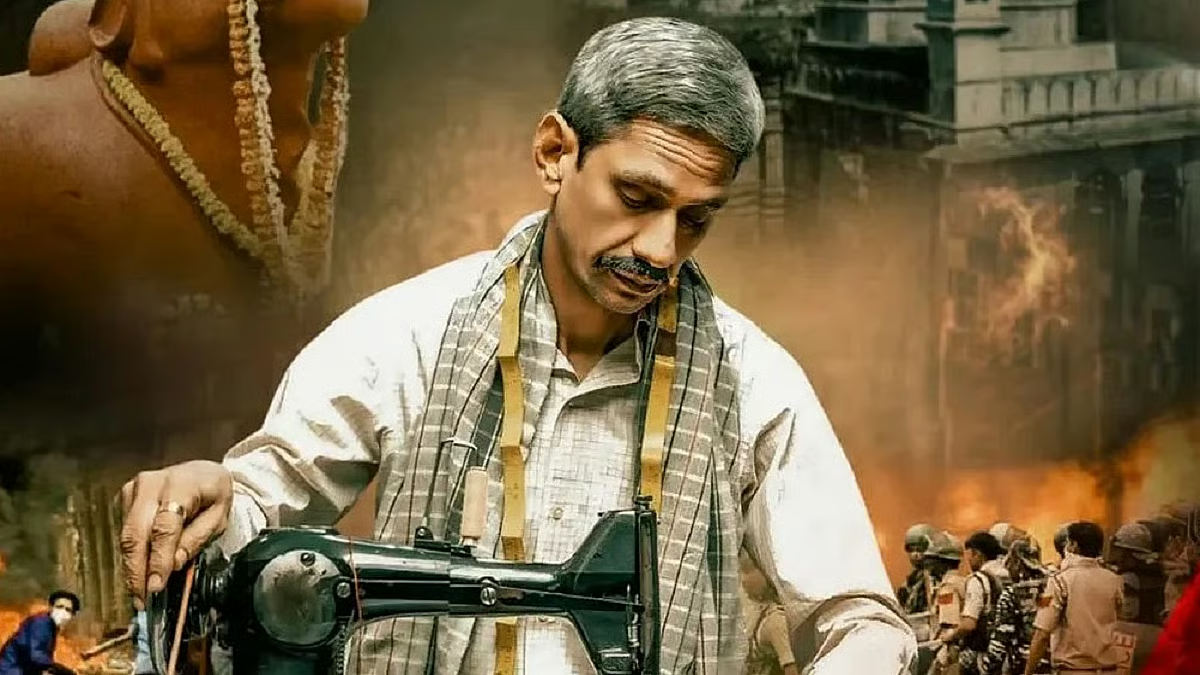
After months of intense controversy and legal roadblocks, the film ‘Udaipur Files’ has finally been set to release tomorrow for public screening. The Ministry of Information and Broadcasting has dismissed all revision petitions on the film, disregarding objections that it could disrupt communal harmony and interfere with ongoing legal proceedings in the 2022 Kanhaiya Lal murder case.
Background of the Controversy
Initially slated for release on July 11, Udaipur Files faced a petition by Islamist organisation Jamiat Ulema-i-Hind in the Delhi High Court, which alleged that the film could incite communal tension and negatively impact the fair trial of the accused. The Court subsequently asked the Central Government to reassess the film under Section 6 of the Cinematograph Act.
Responding to the directive, the Ministry formed a review committee that recommended 55 cuts. The producers agreed to implement the suggested edits.
The Ministry of Information and Broadcasting issued a statement confirming that the Central Board of Film Certification (CBFC) had granted clearance for the film after the producer made the necessary modifications. With no further legal grounds for a ban, the Ministry dismissed all review petitions, clearing the path for the film’s theatrical release on August 8.
Producer Amit Jani addressed the controversy in a video shared on social media, urging viewers to watch the film before forming opinions. “We’ve made every effort to portray the story sensitively and fairly. Our intent is not to defame any community, but to bring attention to a tragic incident,” Jani stated.
Plot and Cast
Directed by Bharat S Shrinate and starring Vijay Raaz, Udaipur Files is based on the real-life murder of Kanhaiya Lal, a tailor from Udaipur who was brutally killed in 2022 after allegedly posting a social media message in support of former BJP spokesperson Nupur Sharma. The film recreates the events surrounding Lal’s death at the hands of two Islamic extremists, Muhammad Riyaz Attari and Muhammad Ghaus.
The film has sparked fierce debate. Islamic organization Jamiat Ulama-i-Hind approached multiple courts, including the Supreme Court, calling for a ban on the grounds that the film could disrupt communal peace. The organization has a history of legally representing individuals accused in major terror cases, which has further fueled criticism from right-wing groups.
On the other side, the Vishwa Hindu Parishad (VHP) has strongly defended the film, accusing Jamiat of attempting to shield radical elements and silence narratives that expose religious extremism. VHP spokesperson Amitosh Parik questioned the opposition to the film, saying, “If the film reveals the radical mindset behind Kanhaiya Lal’s murder, why should that truth be hidden?”
A Broader Debate on Freedom of Expression
Supporters of the film argue that Udaipur Files, like The Kashmir Files and The Kerala Story serves as a necessary documentation of rising religious intolerance in India. They claim that cinema must be allowed to portray harsh truths, even if uncomfortable, and that silencing such efforts in the name of harmony risks whitewashing reality.
Parik emphasized, “The film doesn’t promote hate. It shows what actually happened. The public deserves to know the truth behind such heinous crimes.”
BJP IT Cell Chief Amit Malviya tweeted today on X (formerly Twitter), “Despite desperate attempts by vested interests to block its screening, the film is finally here. Now, it’s up to us to take it to the people and ensure the truth is seen, heard, and remembered. This is not just a film, it is a mirror to the brutal reality of radicalisation that mainstream narratives try to hide. If Bharat has to survive the civilisational threat it faces, the truth must come out. Loudly. Unapologetically. Relentlessly. Let the people know what they were never meant to see.”
The Kanhaiya Lal murder case is seen by many as a reflection of growing ideological extremism. The film dramatizes not only the killing but also how the act was filmed and distributed to spread fear, an act of terror in the eyes of its supporters. While legal proceedings against the accused continue with no final verdict yet, the film aims to bring public attention to the ideological motives behind such acts.
Now officially releasing on August 8, Udaipur Files stands as both a cinematic portrayal of a chilling real-life event and a flashpoint in the ongoing debate over artistic freedom, communal sensitivity, and justice.