
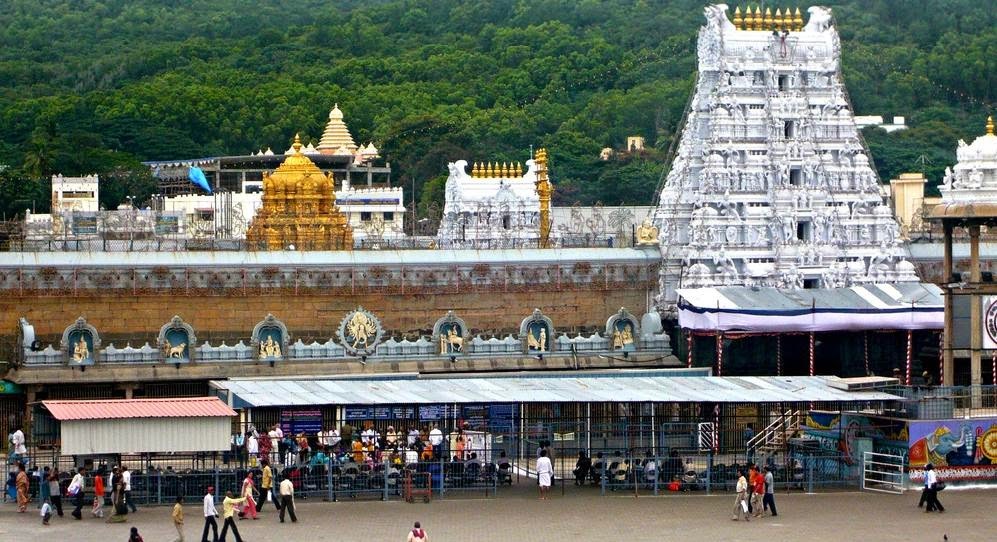
The Tirumala Tirupati Devasthanams (TTD), which oversees one of the most sacred Hindu temples in the world, has suspended four of its employees for allegedly violating its strict religious service guidelines. The suspended individuals are non-Hindus, and according to the TTD, they failed to adhere to the religious code of conduct expected of staff working in the organization.
Who Are the Employees and Why Were They Suspended?
The four staff members include:
B. Elizer, Deputy Executive Engineer
S. Rosi, Nurse at BIRRD Hospital
M. Premavathi, Pharmacist at BIRRD Hospital
Dr. G. Asunta, employed at the SV Ayurveda Pharmacy
These individuals are accused of continuing to follow non-Hindu faiths while holding positions in Tirumala institutions. According to a press note issued by TTD’s Public Relations Officer, this is a direct breach of the service conditions they agreed to upon joining, which require employees to practice the Hindu faith exclusively during their tenure.
TTD’s Policy on Religion and Employment
The TTD’s employment policy has long required that its staff not only respect Hindu traditions but also personally follow them. Upon joining, every employee signs a declaration confirming their commitment to uphold the religious practices of the institution. The Tirumala Tirupati Devasthanams believes that those serving in its religious and public service roles must reflect the sanctity and values of the temple and its spiritual mission.
What Sparked the Suspensions?
An internal vigilance team had been monitoring complaints about non-Hindu employees not adhering to TTD’s code. After a formal inquiry, these four employees were found to have violated the guidelines. TTD authorities described their conduct as “irresponsible” and said it was inconsistent with the expectations from individuals serving in a religious institution.
This isn’t the first time such action has been taken. Earlier this year, 18 other staff members were transferred for similar reasons. Just last week, a senior officer was suspended for allegedly attending church services while employed at TTD. The organization has become increasingly firm in its enforcement of the policy, particularly after receiving political and public pressure to ensure that religious integrity is maintained.
Public and Political Pressure Mounts
The issue has recently gained political traction. Union Minister Bandi Sanjay publicly questioned why non-Hindus were being allowed to work at such an important Hindu shrine, especially when Hindus are typically not employed in religious roles in mosques or churches. This statement added momentum to demands for stricter vetting and enforcement of religious policies at TTD-run institutions.
While suspended, the four employees will receive only half their salaries, pending further inquiry. A departmental investigation is ongoing, and TTD officials say additional action—including transfers or termination—could follow, depending on the outcome.
Wider Implications
The decision has sparked a broader conversation about the role of religious identity in public service jobs, especially in institutions tied to faith. While the TTD maintains that it is simply preserving the religious sanctity of the temple and its activities, others argue that such policies raise questions about inclusivity and equal opportunity.
TTD’s move to suspend four non-Hindu staff members highlights the institution’s firm stance on preserving its religious traditions. As the debate around faith and employment continues, the incident is a reminder of the complex intersection between religious sentiment and public administration—especially in a country as diverse as India.