











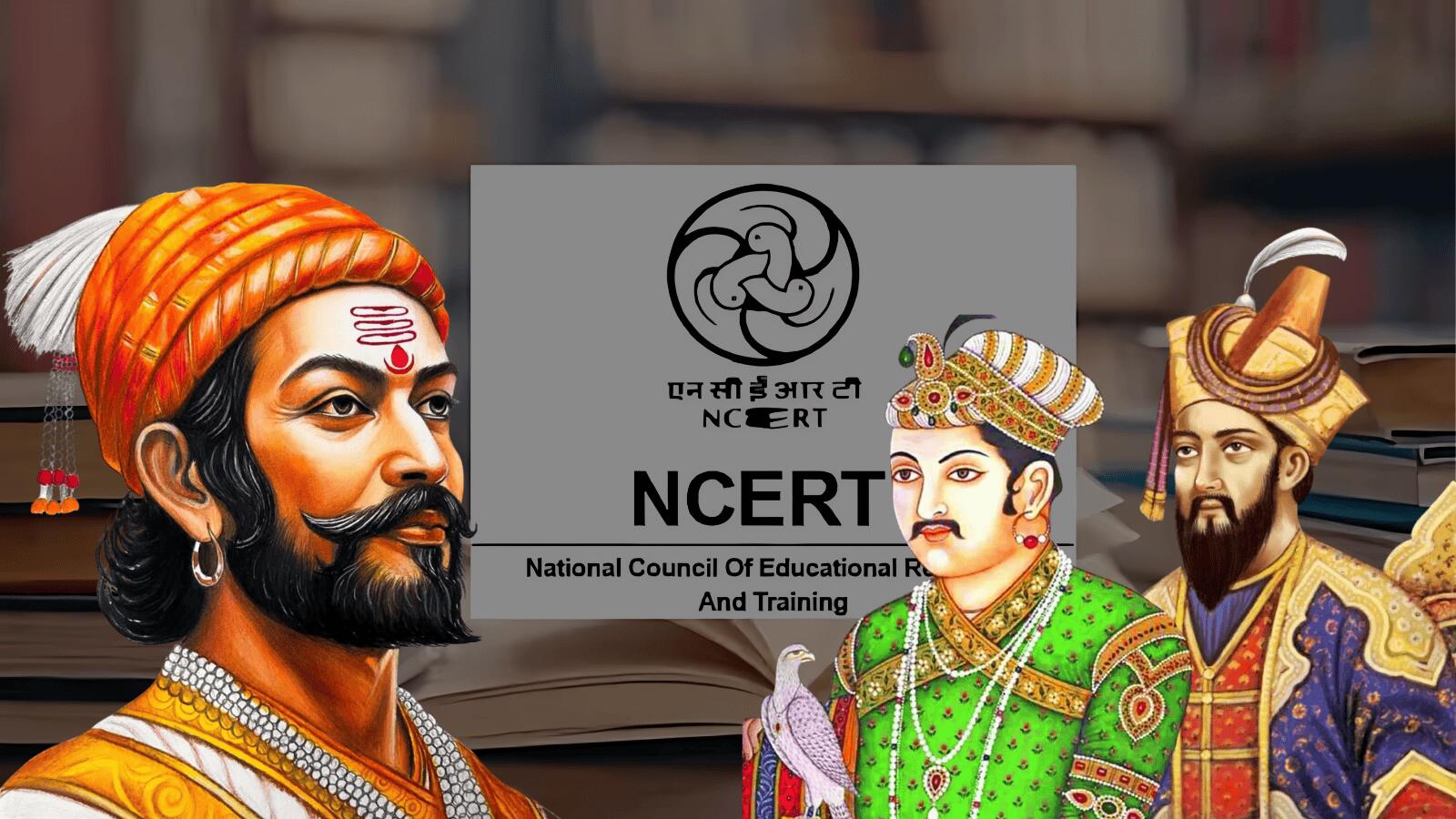
The National Council of Educational Research and Training (NCERT) has released its latest Class 8 Social Science textbook, Exploring Society: India and Beyond, which has drawn significant attention for its stark portrayal of religious violence and intolerance during the Delhi Sultanate and Mughal periods.
This new textbook is the first under the revised NCERT curriculum aligned with the National Curriculum Framework for School Education (NCF-SE) 2023. It shifts the discussion of the Delhi Sultanate, Mughal Empire, Marathas, and colonial era entirely to Class 8 from the previous Class 7 syllabus.
Darker Chapters in History Acknowledged
Opening with a section titled ‘Note on Some Darker Periods in History’, the book encourages students to approach past events like wars and religious persecution with objectivity. The note underlines that current generations bear no responsibility for historical actions and advises a dispassionate understanding of violence and power struggles in history.
Portrayal of Mughal Rulers
The textbook presents Babur as a ‘ruthless conqueror’ who massacred civilians and erected ‘towers of skulls’ in conquered cities. While acknowledging his intellectual legacy, it underscores the brutality of his military campaigns.
Akbar, often portrayed as a secular figure in older texts, is depicted as a complex ruler whose reign combined acts of religious tolerance with violent military actions. The book cites his order for the massacre of 30,000 civilians after the siege of Chittorgarh and references his own claims of temple destruction in a message of victory.
Aurangzeb’s religious policies also come under scrutiny. The textbook points to his orders for the destruction of temples in Banaras, Mathura, and Somnath, along with attacks on Jain and Sikh religious sites. While the text mentions scholarly arguments attributing some of his actions to political motives, it emphasizes the personal religious intent behind his edicts.
‘Jiziya’ Tax and Forced Conversions
A dedicated section on the Jiziya tax describes it as a source of humiliation for non-Muslims and a tool that encouraged conversion to Islam. This contrasts with earlier textbooks, which framed it largely as a financial levy with military exemptions.
Iconoclasm and Religious Violence
A chapter titled ‘Reshaping India’s Political Map’ explores the 13th–17th century period as one marked by religious violence and political instability. It discusses assaults on Buddhist, Jain, and Hindu religious icons and temples, labelling them as both acts of plunder and iconoclasm. These details were largely omitted from the older Class 7 version.
The book also names Alauddin Khilji’s general, Malik Kafur, as responsible for attacks on religious centres like Srirangam and Chidambaram.
Balancing Brutality with Resilience and Resistance
Despite the grim accounts, the book acknowledges the resilience of Indian society, highlighting how towns, temples, and institutions were rebuilt over time. It also emphasizes that present-day individuals should not be judged based on historical wrongs.
Following sections shift focus to resistance movements, praising leaders such as Chhatrapati Shivaji Maharaj, Tarabai, and Ahilyabai Holkar. Shivaji is described as a skilled strategist who respected all religions while protecting Hindu traditions and rebuilding destroyed temples.
The Sikh Gurus, especially during the Mughal oppression under Aurangzeb, are credited with spiritual and military resistance. The book presents them as significant cultural and political figures of the time.
A Broader Educational Approach
Besides history, the new textbook integrates civics and geography, offering students an interdisciplinary view. It includes modern features such as QR codes linking to digital content and case studies on marginalised groups like the Santhal and Indigo Rebellions. It also introduces students to India’s democratic processes, including lessons on voting and the new Parliament building.
By revising its historical narrative, NCERT’s Class 8 textbook attempts to present a more unfiltered and multifaceted view of India’s medieval past, while balancing accounts of oppression with stories of resistance and resilience.