














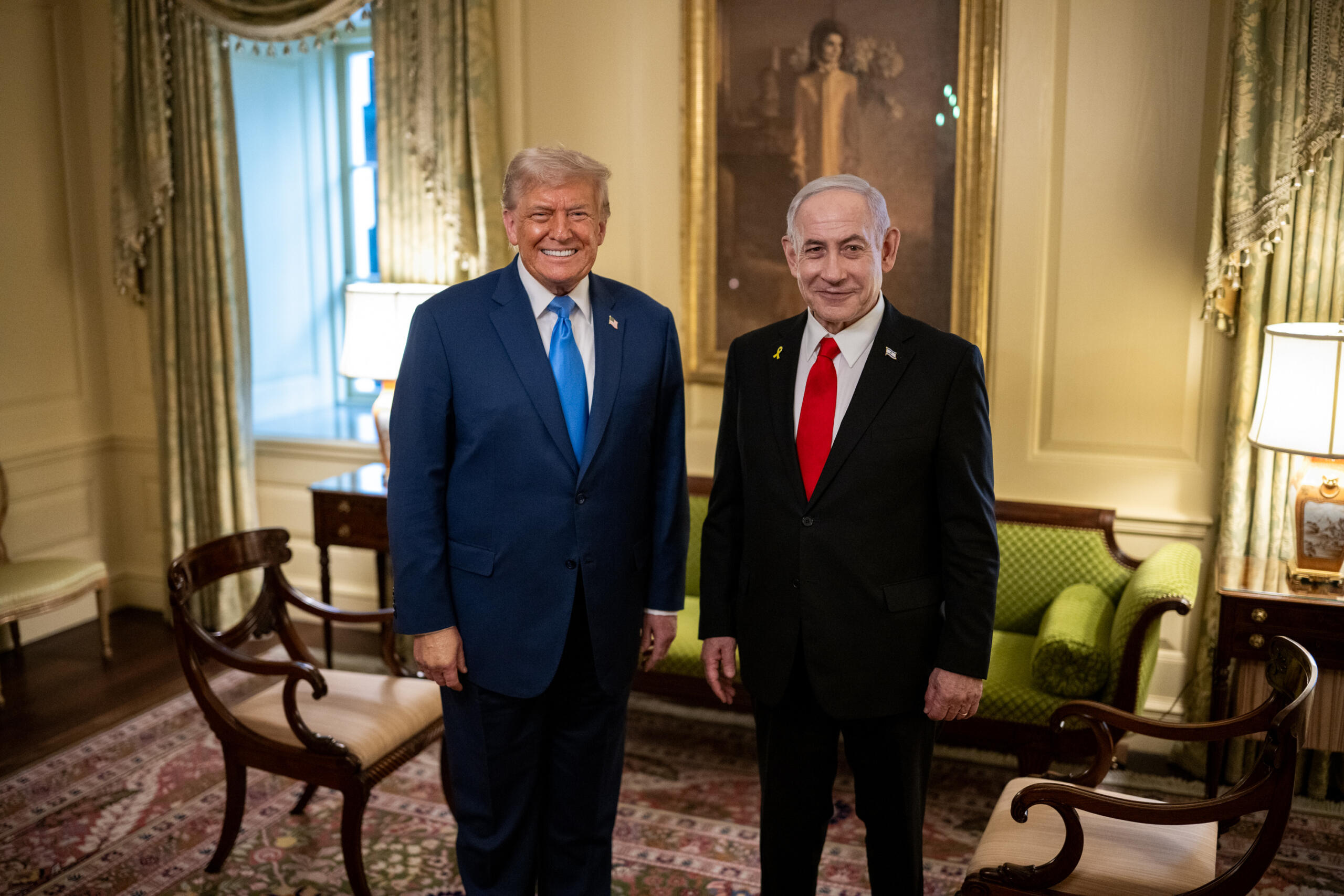
In a dramatic yet symbolic gesture, Israeli Prime Minister Benjamin Netanyahu has nominated U.S. President Donald J. Trump for the Nobel Peace Prize. The announcement came during their closed-door meeting at the White House, their third such engagement this year. Netanyahu handed over a formal letter addressed to the Nobel Committee, praising Trump for his leadership in fostering peace in the Middle East, particularly for brokering the Abraham Accords.
“The President has already realized great opportunities. He forged the Abraham Accords. He’s forging peace as we speak in one country, in one region after the other,” Netanyahu remarked during the meeting. Trump, visibly surprised and gratified, responded, “This I did not know. Wow, thank you very much. Coming from you in particular, this is very meaningful.”
Trump’s Peace Persona: Reality or Rhetoric?
The U.S. President has long touted his credentials as a global peacemaker. While the Abraham Accords did mark a significant geopolitical shift in the Middle East, Trump’s claims about preventing larger wars have often been contested. He frequently asserts that he prevented a full-scale war between India and Pakistan, and played a key role in de-escalating tensions between Serbia and Kosovo. However, in the case of India and Pakistan, the ceasefire in the aftermath of the April 22 Pahalgam terror attack was achieved not through high-level diplomacy, but rather through back-channel talks between the Directors General of Military Operations (DGMO) of both nations.
Even in the ongoing Israel-Iran and Gaza conflicts, Trump’s influence seems more performative than effective. Although he claimed to have brokered a ceasefire between Israel and Hamas on June 24, rocket fire and retaliatory strikes have continued. Reports suggest that Israel is preparing for possible military action if Iran restarts its nuclear program, raising questions about the durability of any peace Trump claims to have achieved.
Middle East Diplomacy and the Nobel Aspirations
Trump’s meeting with Netanyahu was not solely about his nomination. It also touched upon key geopolitical issues especially Israel’s military actions in Gaza and rising tensions with Iran. Both leaders reportedly discussed scenarios under which renewed strikes on Iran would be justified. Trump indicated openness to supporting further Israeli military actions, particularly if Iran moves toward reviving its nuclear ambitions.
Meanwhile, Netanyahu floated the controversial idea of relocating Gaza’s Palestinian population to neighboring countries as part of a broader plan for “a better future.” Trump echoed this sentiment cautiously, noting cooperation from surrounding nations. Critics, however, argue that such proposals lack practicality and ignore the deeply rooted humanitarian crisis in Gaza.
Despite this, Netanyahu insisted that Trump deserves recognition for his contributions. “Your leadership of the free world and the pursuit of peace and security in many lands, especially the Middle East, is admirable,” he told Trump during their dinner.
Pakistan Backs Trump, Too?
Interestingly, Netanyahu isn’t the only one pushing for Trump’s Nobel recognition. The Pakistani government recently announced that it would recommend Trump for the 2026 Nobel Peace Prize. Citing his “decisive diplomatic intervention” in preventing a war with India, Pakistan’s endorsement came despite the fact that the ceasefire was largely the result of military-to-military dialogue rather than Trump-led negotiations.
This unusual convergence of support from both Israel and Pakistan, traditionally on opposing sides of major geopolitical conflicts highlights the diplomatic tightrope Trump often walked during his presidency. However, it also underscores how some nations may use symbolic gestures like Nobel nominations to curry favor or craft specific narratives.
Peace Prize or Political Optics?
Is Trump a Genuine Peacemaker or a Master of Narrative? Donald Trump’s nomination for the Nobel Peace Prize by Israeli PM Netanyahu is undeniably headline-grabbing. It fuels his narrative of being a global dealmaker and reinforces his claims of halting wars and fostering peace. But when examined closely, these claims often rest on shaky ground. The India-Pakistan ceasefire was brokered by military officials. The Israel-Hamas ceasefire, allegedly brokered by Trump, has seen repeated violations. And while the Abraham Accords were a diplomatic victory, they were more about normalization than resolving longstanding conflicts.
Ultimately, the nomination may serve more as a political endorsement than a recognition of transformative peacekeeping. As Trump eyes a Nobel Peace Prize, accolades like these whether earned or symbolic could play a role in shaping public perception. But whether the Nobel Committee will see through the layers of diplomacy and drama remains to be seen.