
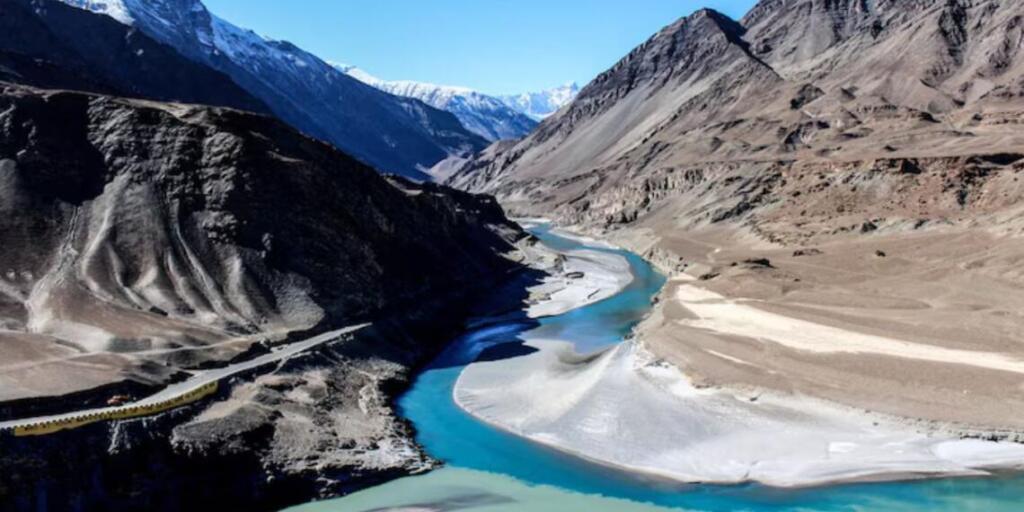
The Indian government is stepping up efforts to complete a major hydropower project in Jammu and Kashmir, known as the Kwar Dam, by seeking a ₹3,119 crore loan to speed up construction. Once finished, the 540 MW project on the Chenab River is expected to produce nearly 2,000 million units of clean electricity every year, while also providing a much-needed boost to local development in the region.
The dam is projected to bring long-term benefits to Jammu and Kashmir, including free electricity worth over ₹4,500 crore over 40 years and the creation of around 2,500 local jobs. According to government officials, this project isn’t just about energy it’s also part of a broader plan to boost infrastructure and economic opportunity in the Union Territory.
Strategic Energy Shift
The Kwar Dam is just one part of a much larger picture. India is fast-tracking a series of hydropower projects along the Chenab River, including Pakal Dul, Kiru, Kirthai-I, and Kwar itself, all of which are located in Jammu and Kashmir. Combined, these projects are expected to add over 3,000 MW of new hydropower capacity, which could transform the region’s energy supply and reduce its dependence on fossil fuels.
These developments also carry a strategic edge. The Chenab and other western rivers that flow through Jammu and Kashmir eventually cross into Pakistan. By maximizing its use of these rivers, India is not only meeting local energy needs but also strengthening its water rights under the Indus Waters Treaty.
India’s Stand
India insists these are “run-of-the-river” projects which do not involve storing or diverting water in ways that violate the treaty.
The timing is particularly sensitive, as India earlier this year announced its intention to revisit its obligations under the Indus Waters Treaty, citing long-standing grievances and Pakistan’s misuse of the agreement. Since then, India has cleared multiple projects that had previously been stalled due to environmental or procedural delays.
What Comes Next
With funding now moving forward and timelines in place, the Kwar project is expected to be completed within the next four to five years. Other dams in the region are already under construction or nearing clearance.
For the people of Jammu and Kashmir, these projects could mean more stable power supply, job opportunities, and better infrastructure. But they also mark a shift in how India is approaching river management and strategic resource use especially in areas that border Pakistan.
As the government accelerates its hydropower push, it will need to strike a careful balance between development, diplomacy, and environmental responsibility.
Indus Water Treaty Suspension
Following the deadly terror attack near Pahalgam in April, which claimed 26 civilian lives, India took a decisive step by suspending the Indus Waters Treaty. The decision was approved by the Cabinet Committee on Security on April 23, and Pakistan was formally notified the next day through a letter sent by India’s Secretary of Water Resources. The letter stated that repeated cross-border terrorism had violated the foundational trust and spirit of the 1960 agreement. On May 13, 2025, the Ministry of External Affairs reaffirmed that the treaty would remain suspended until Pakistan made an “irreversible and credible” move to stop supporting terrorism.
This marked the first time since the Indus Waters Treaty was signed that India had formally put it on hold. With the suspension in place, India gained more flexibility to utilize waters from western rivers like the Chenab—something previously limited under the treaty’s strict oversight. This shift allowed India to fast-track stalled hydropower projects in Jammu & Kashmir.