



















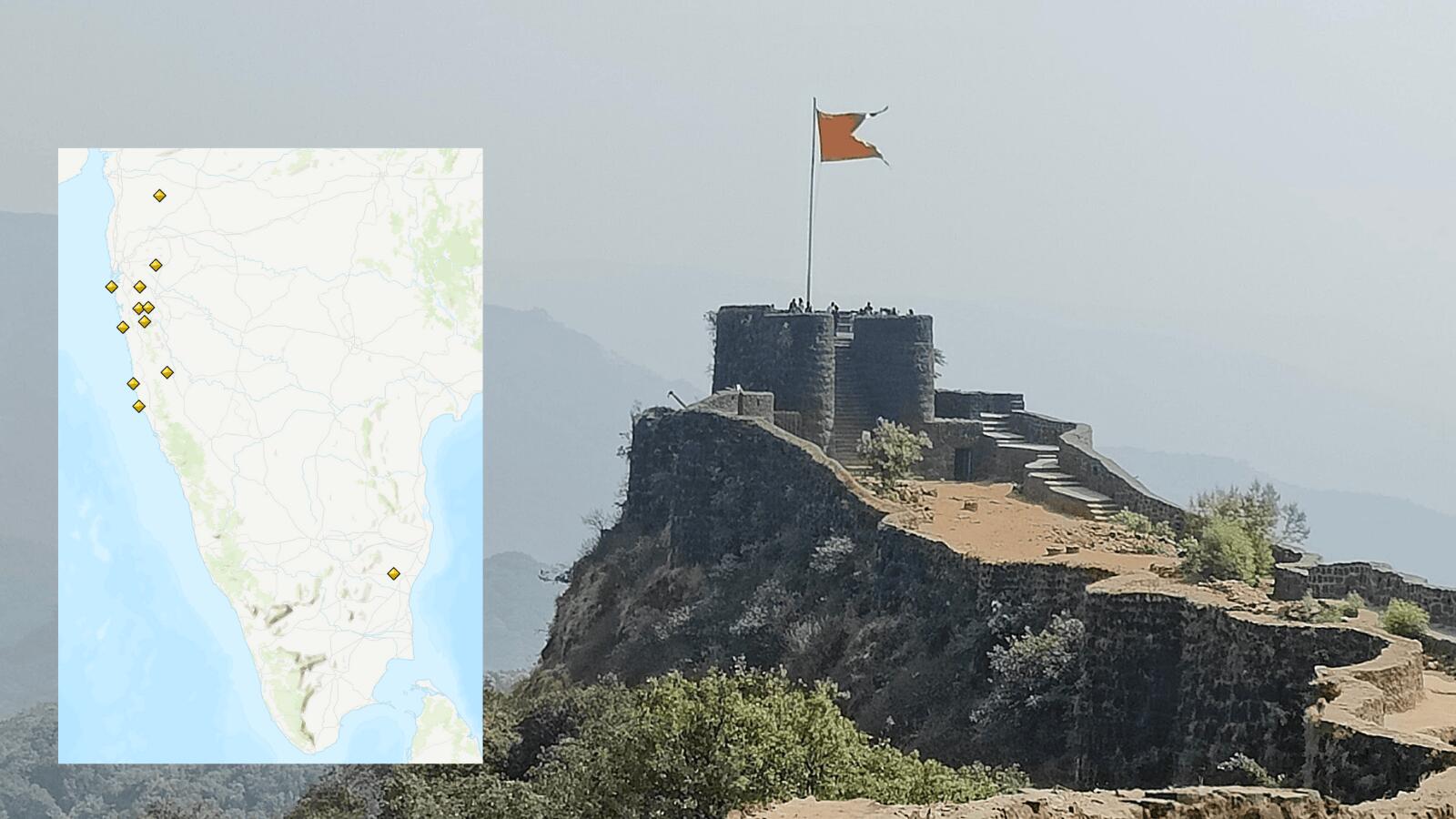
On a quiet July evening, the hearts of many in Maharashtra and across India, beat a little louder, filled with pride. An ancient legacy, carved in stone and guarded by time, had finally found its rightful place on the world stage.
UNESCO had just inscribed twelve Maratha forts as World Heritage Sites, a moment that felt less like a designation and more like a homecoming. For centuries, these forts had watched over coastlines, stood tall on Sahyadri cliffs, and whispered tales of valor through their wind-swept battlements. Now, the world was listening.
But these were not just any forts. These were the Maratha Military Landscapes, an extraordinary network of defense structures built between the 17th and 19th centuries by a people who refused to bow to injustice.
Where History Sleeps in Stone
To walk through any of these twelve forts is to feel history breathe.
Climb the rugged steps of Raigad, and you can almost hear the sound of royal trumpets from 1674, when Chhatrapati Shivaji Maharaj was coronated there, raising a sovereign empire in defiance of mighty sultanates and foreign powers. Gaze out from the walls of Pratapgad, and it’s easy to imagine the moment Shivaji stood across from the towering Afzal Khan, his agility and cunning about to tilt the balance of power.
From Suvarnadurg’s sea-sprayed stones to the towering cliffs of Salher, each fort tells a story of strategy, resilience, and a dream of Swarajya (self-rule) that was more than just political; it was deeply spiritual, cultural, and human.
A Vision Forged by Geography
What makes these forts so unique isn’t just their grandeur or scale, but the very landscapes they inhabit.
The Marathas built over 390 forts, but these twelve now globally recognized represent a masterclass in strategic architecture. They were carved into ridges, perched atop hills, concealed in forests, or anchored on islands; each tailored to its natural environment. It was a military philosophy that viewed the land not just as terrain, but as an ally.
Imagine defending an empire from the Western Ghats to the Konkan coast without modern roads, satellites, or logistics. The Marathas did it- with foresight, grit, and engineering brilliance.

Twelve Jewels of India’s Crown
The newly recognized World Heritage Sites include:
Salher – Site of one of the Marathas’ earliest and fiercest battles.
Shivneri – Birthplace of Shivaji Maharaj, dotted with ancient Buddhist caves.
Lohagad – A fortress that kept a watchful eye on the old trade routes.
Khanderi – A naval fort that stood like a sentinel off the Mumbai coast.
Raigad – The capital, the coronation site, the soul of the Maratha empire.
Rajgad – A fort that nurtured Shivaji’s early dreams.
Pratapgad – Where a fateful encounter changed Deccan’s destiny.
Suvarnadurg – A fortified island commanding the Arabian Sea.
Panhala – A fort that has seen countless sieges and strategies.
Vijaydurg – Known as the “Eastern Gibraltar”, a marvel of coastal defense.
Sindhudurg – The fortress that guarded the heart of Maratha naval power.
Gingee (Tamil Nadu) – A rare example of Maratha military reach into the south.
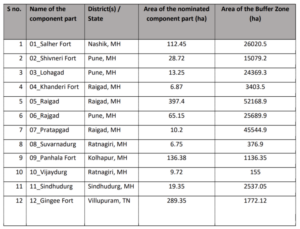
These forts are protected either by the Archaeological Survey of India or Maharashtra’s Department of Archaeology & Museums, ensuring their preservation for future generations.
A Prime Minister’s Tribute
After the UNESCO announcement, Prime Minister Narendra Modi took to social media, not just to share the news, but to issue an invitation; an emotional one.
‘Every Indian must feel proud… Visit these forts. Learn their stories. Walk their paths,’ he urged.
He even shared photographs from his own 2014 visit to Raigad Fort, calling it a ‘cherished memory.’ His words struck a chord: this wasn’t just about monuments; this was about remembering who we are.
What Does World Heritage Mean?
To be included in UNESCO’s list is no small feat. It means the site has Outstanding Universal Value- not just to one nation, but to humanity.
India had already been home to 42 such sites. With these forts, the number rises to 43. And for the Maratha heritage, often relegated to regional textbooks or family lore, this is a global affirmation.
The selection was based on rigorous criteria such as historical significance, architectural ingenuity, and cultural depth.
These forts were chosen for reflecting: A living tradition, Exceptional architecture and military planning, and Association with significant events in human history.
More Than Just Stone and Strategy
What made the Marathas different wasn’t just their military might, it was their sense of dharma, their respect for the people, and their vision for a decentralized, just administration. These values are embedded in the very layout of their forts- grain storage, water management, escape routes, temples, public meeting spaces.
The Maratha Military Landscapes aren’t just relics; they are testaments to governance, engineering, environmental harmony, and above all, freedom.
A Cultural Awakening
With this recognition, India isn’t just celebrating architecture, it’s reclaiming a narrative.
For long, Indian history in the global consciousness has centered around the Taj Mahal, Mughal courts, or British rule. The Marathas– fierce, visionary, and often misunderstood, are now stepping into the spotlight they have long deserved.
If you’ve never visited a Maratha fort, now is the time. Stand atop their bastions. Let your eyes sweep across the hills and seas as Shivaji’s once did. Feel the wind carry the echoes of battles fought, dreams built, and a legacy that refused to be forgotten.
These aren’t just tourist sites. They are living classrooms. Sanctuaries of courage. Symbols of self-respect.
And today, they’re India’s gift to the world.