

















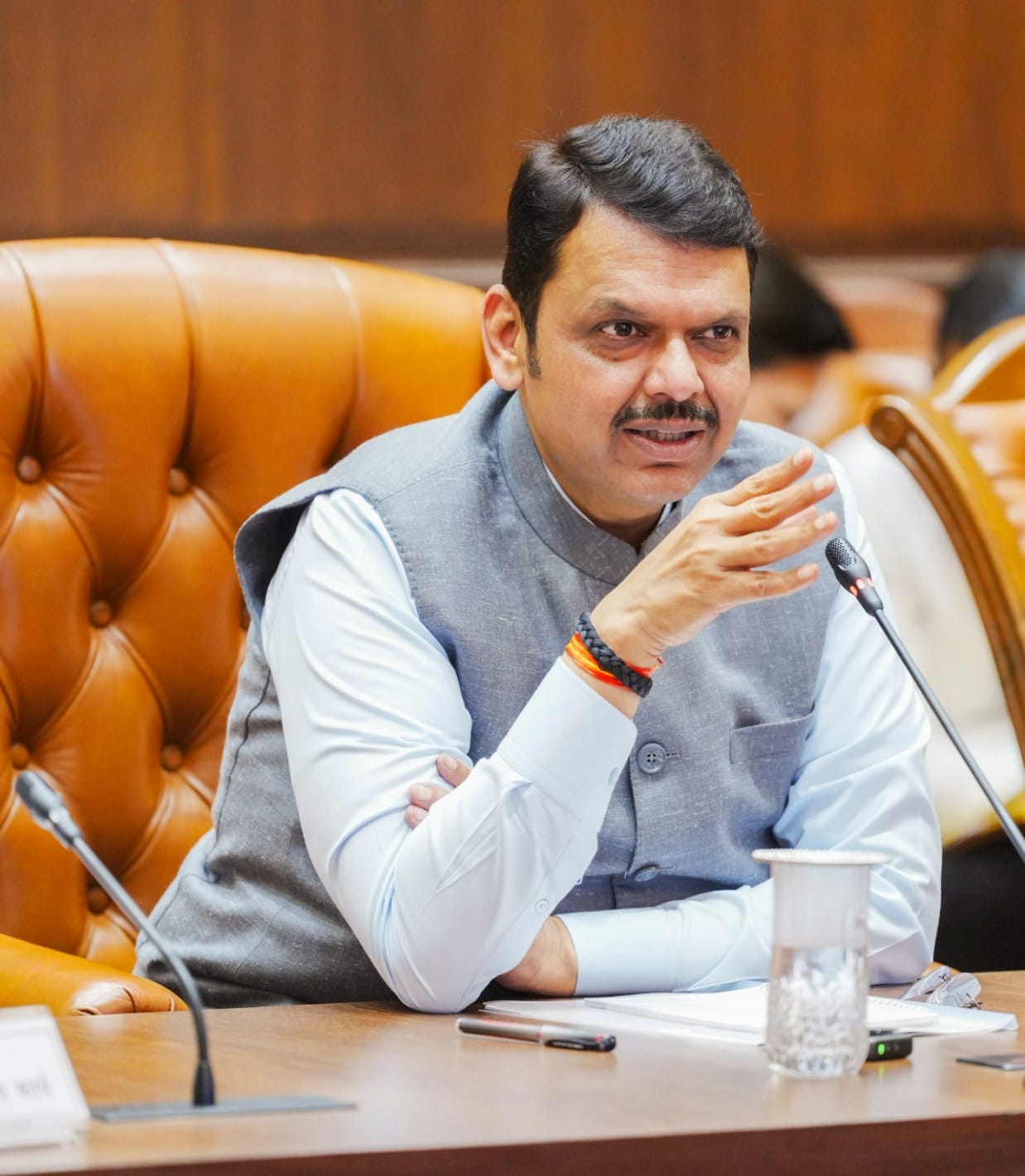
In a dramatic escalation of Maharashtra’s growing culture wars, Chief Minister Devendra Fadnavis has come down heavily on the Maharashtra Navnirman Sena (MNS), denouncing its disruptive and unauthorized rally in Mumbai as a dangerous misuse of Marathi identity for political gain.
The event, originally billed as a protest for Marathi language rights, quickly unraveled into a show of aggression, police confrontation, and public chaos; all in defiance of prior denial of permission from authorities.
Defiance Disguised as Protest
Despite being denied formal permission by the Mumbai Police due to legitimate concerns about traffic congestion, security threats, and a recent assault on a non-Marathi vendor, MNS leaders vowed to carry on with their “Jagar Yatra” across the city. The refusal to follow basic legal procedures wasn’t just civil disobedience, it was calculated political theatre.
‘This isn’t Marathi pride. It’s political vandalism,’ said Fadnavis in a sharply worded statement. ‘No one has the right to create lawlessness under the guise of cultural activism.’
Language as a Weapon
What began as a demand for signage in Marathi soon devolved into intimidation tactics. MNS workers have recently made headlines for physically attacking street vendors who could not communicate in Marathi; a brutal distortion of a linguistic cause. Videos of MNS workers thrashing a North Indian vendor in Bhayander surfaced last week, sparking outrage.
The message was clear: speak Marathi or get out. But in the process, MNS isn’t promoting the language; it’s weaponizing it. A movement once rooted in cultural assertion is now treading dangerously close to hate politics.
Preemptive Arrests and a City on Edge
Police detained several MNS leaders ahead of the rally, including senior figure Avinash Jadhav. Authorities also issued a prohibitory order barring him from entering Mira-Bhayander, the epicenter of the recent violence. These preventive measures weren’t arbitrary, they were necessary. MNS’s track record of unruly mobilization left police with little choice.
Public anxiety has grown. Many business owners and commuters expressed fear over the potential for sudden mob violence. The city, still reeling from past communal and linguistic clashes, is in no mood to tolerate another round of street justice.
BJP Turns Up the Heat
The confrontation has also deepened the ideological chasm between the BJP and MNS. BJP MP Nishikant Dubey openly dared Raj Thackeray to organize a similar Marathi pride rally in Bihar or Uttar Pradesh, an invitation laced with sarcasm and a warning against regional chauvinism.
Fadnavis, while distancing himself from Dubey’s exact phrasing, endorsed the sentiment: ‘You cannot trample on others’ rights while demanding respect for your own. This isn’t the Maharashtra we’re proud of.’
Backlash from the Business Community
The ripple effects of MNS’s aggression have been felt in commercial circles. Traders’ associations in Bhayander are demanding action against MNS workers, citing threats to their businesses and personal safety. One shop owner told local media: ‘We’ve been here for decades. Suddenly, we’re being treated like outsiders.’
This backlash could cost Maharashtra dearly, not just in terms of law and order, but also investor sentiment. No state that bullies its own workforce and entrepreneurs can maintain economic leadership.
A Shrinking Party’s Desperate Gamble
Once a promising political force, the MNS has largely faded from mainstream relevance. Critics argue that these provocative rallies are less about Marathi pride and more about political resurrection. With elections looming, the party is doubling down on identity politics to recapture its lost base.
But that base may no longer exist. Maharashtra’s youth are increasingly cosmopolitan, multilingual, and less tolerant of toxic politics dressed up as cultural defense.
The Verdict: Cultural Pride Cannot Be Coercive
At its best, Marathi pride is a celebration of literature, cinema, resilience, and identity. But when it descends into threats, thuggery, and street-level showdowns, it becomes everything it claims to fight against.
Devendra Fadnavis has taken the right stand by refusing to indulge this brand of politics. Maharashtra needs cultural revival, yes, but not at the cost of civility, legality, or unity.





