
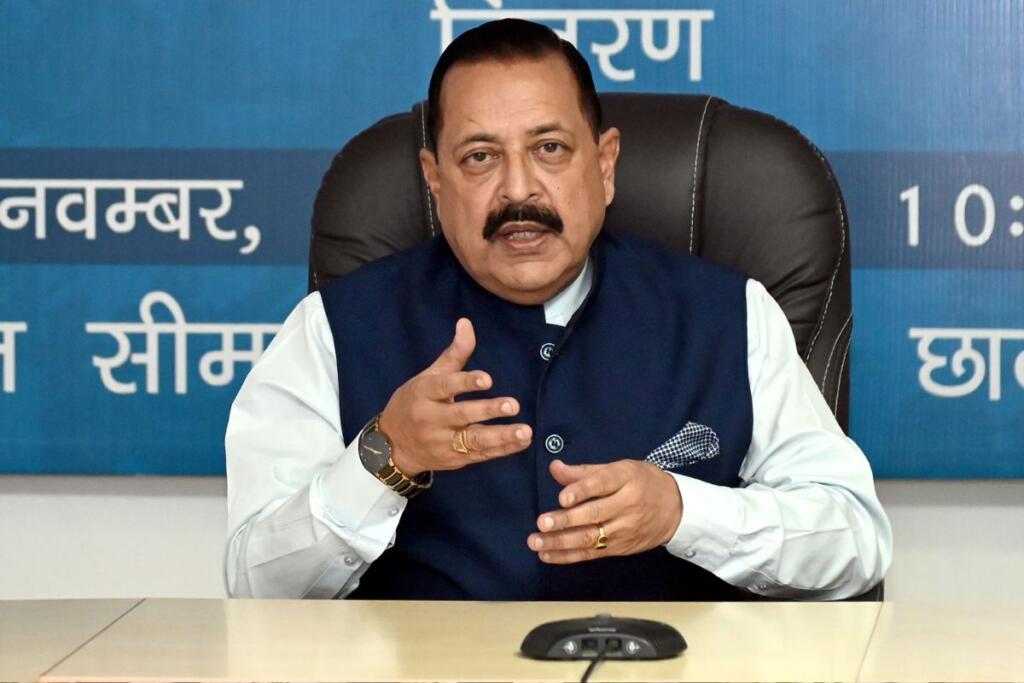
In a significant policy clarification aimed at supporting employees with caregiving responsibilities, the Centre has reaffirmed that Central Government employees are entitled to take up to 30 days of Earned Leave annually specifically for the purpose of looking after their elderly parents. This announcement was made in the Rajya Sabha on Thursday by Union Minister of State (MoS) Jitendra Singh, who oversees the Ministry of Personnel, Public Grievances and Pensions. The move is seen as part of a broader shift toward recognizing the increasing responsibilities of government employees toward aged dependents, particularly in the context of India’s rapidly aging population.
Comprehensive Leave Provision Under 1972 Rules
The clarification was issued in response to a question raised by BJP MP Sumitra Balmik. MoS Jitendra Singh stated that the Central Civil Services (Leave) Rules, 1972 explicitly allow for leave to be taken for personal reasons, which includes the responsibility of caring for elderly parents. These rules, which have been in effect since June 1, 1972, outline various categories of leave available to employees in central services.
According to the minister, government employees may avail themselves of 60 days of total leave per annum for the care of elderly dependents. This includes:
-
30 days of Earned Leave (EL)
-
20 days of Half Pay Leave (HPL)
-
8 days of Casual Leave (CL)
-
2 days of Restricted Holidays (RH)
These leave entitlements can be availed separately or in combination, based on the employee’s requirements and subject to sanctioning by the concerned authority.
How the Leave Account Works
Under the current system, each central government employee has a ‘leave account’, which records leave accrual and usage. Earned Leave is credited in two equal installments on January 1 and July 1 every year at the rate of 2.5 days per month of completed service. When the employee takes leave, the corresponding number of days is debited from this account.
However, not all types of leave are accounted for in this balance. Certain leaves such as maternity leave, paternity leave, child care leave, and some categories of medical leave fall under a different bracket. These are referred to as ‘special kinds of leave’ and are not deducted from the standard leave account. These are granted when specific eligibility criteria are met.
Special Leave for Parents, Pregnancy and Adoption
The government’s leave structure takes into account not just elderly care, but also the growing needs of young families. For instance, female employees are eligible for up to 180 days of maternity leave if they have less than two surviving children. Male employees can avail 15 days of paternity leave under similar conditions.
Further, there are provisions for child adoption leave, study leave, departmental leave, and leaves associated with work-related injuries or illnesses. These comprehensive options are part of the government’s larger HR policy aimed at creating a better work-life balance for employees serving in crucial public service roles.
A Step Towards Compassionate Governance
The Centre’s recent reiteration on leave flexibility particularly for caring for elderly parents marks a progressive move toward compassionate governance. As more Indian families move toward nuclear setups and grapple with caregiving pressures, especially for the elderly, such policies become more than administrative protocols they reflect sensitivity toward evolving social needs.
While the Central Civil Services (Leave) Rules have been in place for decades, their flexible application today addresses real-world concerns of aging parents, work-life balance, and employee well-being. This balanced approach ensures that those serving the nation through government service are also supported in serving their families.