














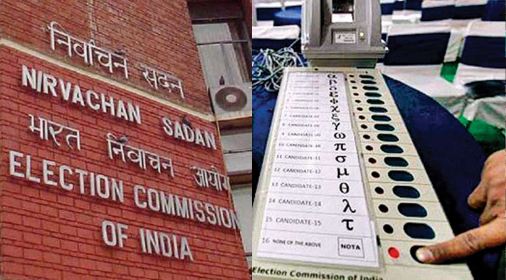
In a decisive move to safeguard India’s electoral integrity, the Election Commission of India (ECI) is set to launch a Special Intensive Revision (SIR) of electoral rolls in West Bengal and New Delhi starting August. After successfully initiating the process in Bihar despite political opposition the ECI is now turning its focus to regions that have long struggled with allegations of illegal voters and cross-border infiltration. With growing concerns over fake voter IDs and the suspected presence of illegal immigrants from Bangladesh and Myanmar in bordering states, the Commission’s latest move is not only timely it’s imperative for democracy.
A Long-Awaited Revision in Sensitive States
The last time the electoral rolls were thoroughly verified in West Bengal and New Delhi was in 2002 and 2008, respectively. The gap of nearly two decades has raised concerns, especially in West Bengal a state that shares a porous border with Bangladesh and has witnessed a steady influx of undocumented migrants over the years.
The ECI, aware of the upcoming West Bengal assembly elections, is acting in advance to avoid controversies later. “As the assembly elections will be due in West Bengal after Bihar, we are preparing for the exercise in advance,” a senior source from the Commission confirmed. In Delhi, the cut-off date for the electoral roll revision has been set as March 16, 2008, meaning any voter added after this date will now be required to furnish proper citizenship documents.
Bihar SIR a Test Case: What We Learned
The ongoing SIR in Bihar has laid the groundwork for the process in other states. Despite political resistance and legal petitions, the ECI has reiterated that the Bihar revision is being carried out strictly under its constitutional mandate. The draft electoral rolls for Bihar are scheduled to be released on August 1, 2025, incorporating all valid names received before July 25.
Importantly, the ECI has allowed voters to submit any of 11 valid documents as proof of identity, giving citizens ample time and flexibility. “The new directive has provided a great relief to people, as they have been given a relaxation of nearly 45 days to submit required documents,” said a senior official from the Bihar CEO’s office.
The Commission also confirmed that over 5,000 meetings were held with 28,000 representatives from political parties to ensure broad consultation and transparency. The process is proving to be an effective tool in identifying fake entries and cleaning up electoral rolls.
Political Pushback vs. Electoral Purity
Despite the ECI’s meticulous planning, opposition parties like the Trinamool Congress and the RJD have moved the Supreme Court, alleging that the SIR could be used to “disenfranchise” genuine voters. TMC MP Mahua Moitra, in her petition, argued that the process might exclude youth voters in Bihar and eventually target Bengal.
However, the Supreme Court, in a recent observation, upheld the legality of the ECI’s actions, reinforcing that such electoral roll verification is indeed a constitutional requirement.
Critics claim the move is politically motivated, but what they fail to acknowledge is the rampant concern over illegal entries and forged documents that plague India’s voter rolls—especially in border regions. A strong democracy rests on clean and credible electoral data, and that’s exactly what the ECI aims to achieve.
Illegal Influx and the Urgent Need for Verification
States like West Bengal, Assam, and even parts of Delhi have long faced allegations of cross-border illegal migration, particularly from Bangladesh and Myanmar. This has led to genuine concerns that non-citizens may be voting in Indian elections—a situation that can severely distort democratic outcomes.
The ECI’s effort to verify electoral lists using past cut-off dates and strict documentation is not an attack on voters it is a defense of their right to fair representation. It ensures that only eligible citizens, backed by proper records, are allowed to cast their votes.
As of now, state CEOs have begun publishing previous electoral rolls—West Bengal will refer to its 2002 data, while Delhi will use the 2008 list. All names added after these dates will undergo verification, including scrutiny of documents and public feedback during the claims and objections phase.
A Bold Step Toward Electoral Transparency
The Election Commission’s decision to expand the Special Intensive Revision beyond Bihar is a much-needed move to restore public faith in the electoral process. In an era of deep political polarization, the Commission is right to take firm steps against fraudulent practices and illegal voter inclusion.
By implementing a uniform and transparent verification mechanism, especially in infiltration-prone states like West Bengal, the ECI is reaffirming its role as a neutral and constitutionally empowered guardian of democracy. While opposition rhetoric may attempt to politicize the issue, the reality is that this revision exercise is vital for ensuring electoral fairness, transparency, and national integrity. In cleaning up the voter lists, the ECI is doing its duty and the nation stands to gain from it.