
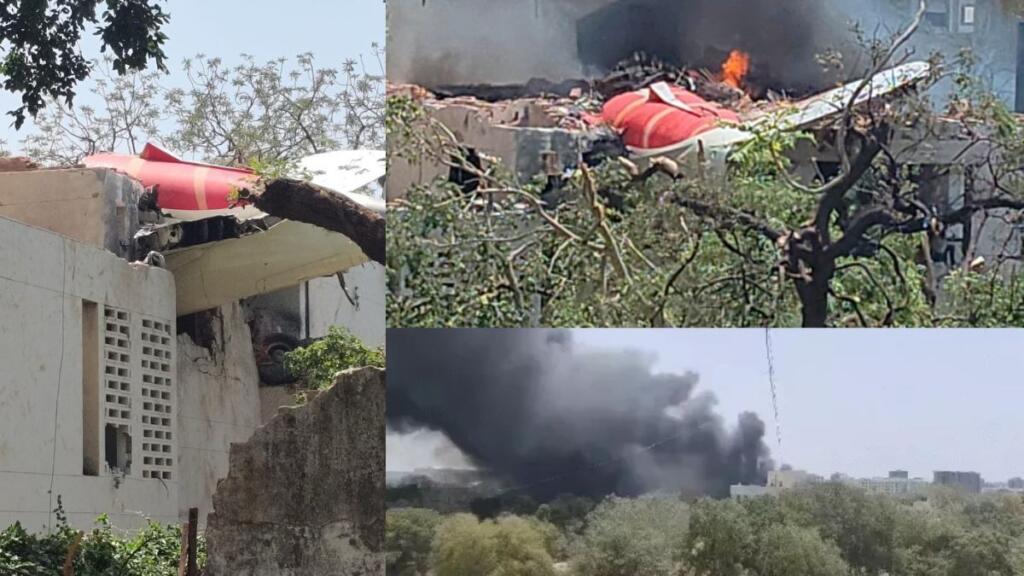
The Boeing 787 Dreamliner has been hailed as a technological leap in commercial aviation — known for its fuel efficiency, passenger comfort, and cutting-edge design. Since entering service in 2011, it has been a popular choice for airlines worldwide, including India’s Air India. However, the recent tragic crash of a Dreamliner in Gujarat has cast a shadow over its safety reputation and raised new questions about the aircraft’s reliability.
What Makes the Dreamliner Stand Out?
Designed to be lighter and more fuel-efficient than traditional planes, the Dreamliner uses advanced composite materials, cutting fuel consumption by around 20%. Passengers benefit from larger windows with adjustable tinting, better cabin air quality, reduced noise levels, and improved humidity and air pressure settings for enhanced comfort on long flights.
The aircraft comes in three main versions — 787-8, 787-9, and 787-10 — accommodating between 240 and 330 passengers depending on configuration. Its long-range capability has allowed airlines to open new nonstop routes worldwide.
Safety Incidents and Global Concerns
While the Dreamliner is widely regarded as safe, it has faced a number of notable incidents that have raised eyebrows:
- Battery Fires and Grounding (2013): Soon after its launch, several incidents involving overheating lithium-ion batteries led to emergency landings and a worldwide grounding of all 787s. Boeing had to redesign the battery systems and implement enhanced safety measures before flights resumed.
- Emergency Landings: Over the years, there have been various reports of emergency landings due to engine issues, electrical faults, or other technical problems. None of these resulted in fatal crashes, but they highlight ongoing operational challenges.
- Crash in Ethiopia (2019): It’s important to note the 2019 Ethiopian Airlines crash involved a Boeing 737 MAX, not a 787. This incident nonetheless raised broader concerns about Boeing’s manufacturing and safety culture, indirectly impacting the Dreamliner’s public perception.
- Other Incidents: Minor incidents such as hydraulic failures, smoke in the cabin, and software glitches have been reported globally, but so far, none have led to catastrophic failures in the 787 fleet.
The Gujarat Crash: A Stark Reminder
The recent crash of a Boeing 787 in Gujarat is a tragic event that has shocked the aviation community and the public. While investigations are still underway, the incident highlights that even the most modern aircraft are not immune to accidents. This raises serious questions about possible causes — from mechanical failure and pilot error to maintenance lapses.
What’s Next for the Dreamliner?
As authorities investigate the Gujarat crash, the aviation industry will be closely watching for findings that could affect the future of the Boeing 787. Airlines may need to review maintenance routines and operational procedures, while regulators could tighten oversight to prevent similar tragedies.
Despite past challenges, the Dreamliner remains a key player in global aviation, but restoring public confidence will depend on clear answers and stronger safety assurances.