























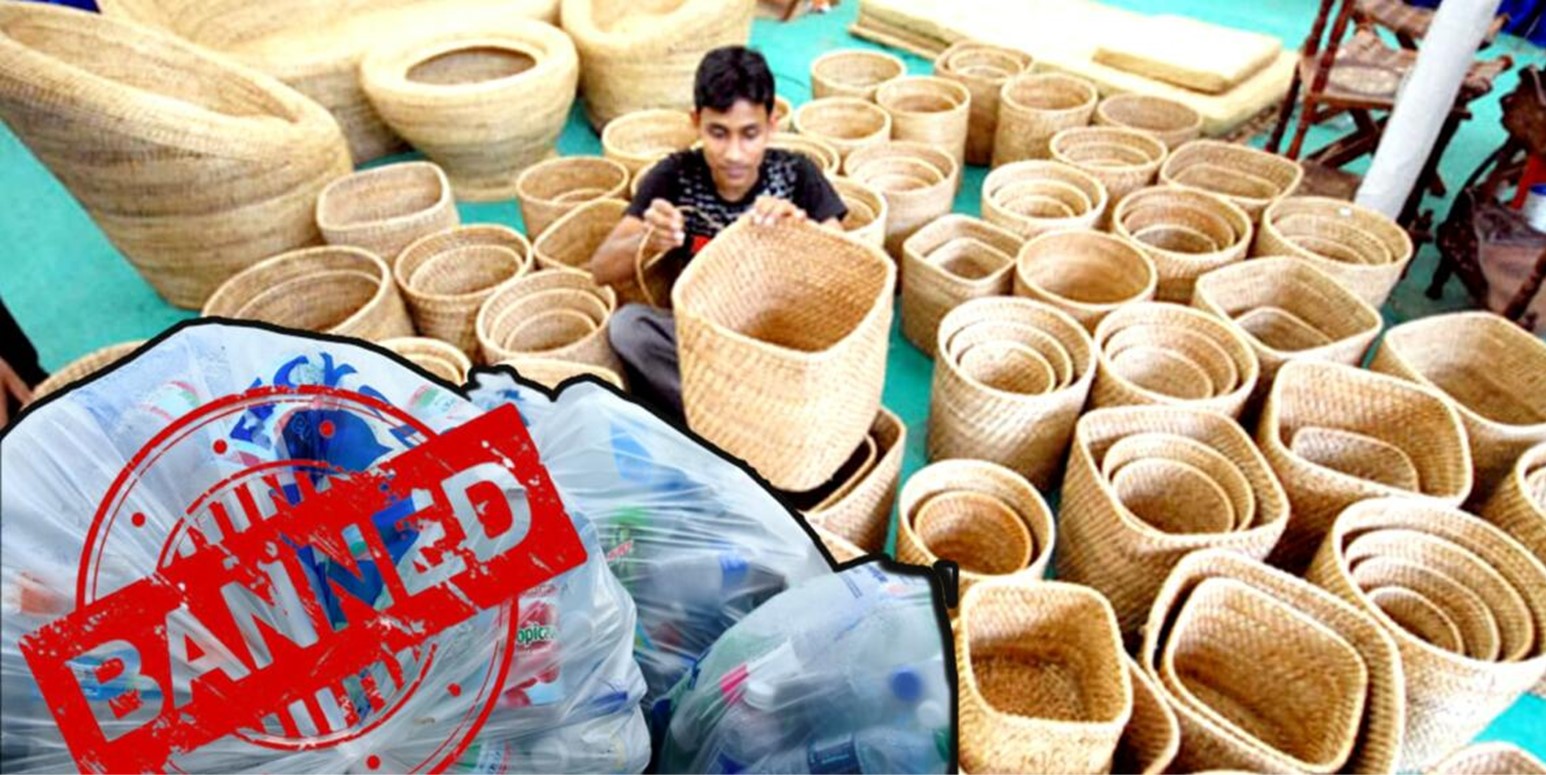
After imposing sweeping restrictions on apparel exports through land ports on May 17, India has now taken another decisive step by restricting the entry of jute and allied fibre products from Bangladesh. The ban, which comes into effect immediately, covers both land and seaports except Mumbai’s Nhava Sheva port.
This move underscores India’s growing frustration with Dhaka’s continued subsidies and dumping practices, especially in sectors where Indian farmers and mill workers are directly impacted. As New Delhi takes a firmer stance on trade reciprocity, this latest restriction signals a calibrated attempt to protect domestic industries and deliver a strategic message to Bangladesh.
Why India Imposed Jute Restrictions on Bangladesh?
On June 27, 2025, India’s Directorate General of Foreign Trade (DGFT) issued a formal notification restricting the import of jute and allied fibre products from Bangladesh through all land and seaports, with the sole exception of Nhava Sheva in Mumbai. Official sources confirmed the move was implemented immediately, citing long-standing concerns over Bangladesh’s unfair trade practices.
Despite India having imposed anti-dumping duties on several Bangladeshi jute products in the past, imports continued unabated due to the heavy subsidies granted by the Government of Bangladesh. These subsidies kept prices artificially low, severely undercutting Indian producers. Indian officials pointed out that such practices had depressed market prices, adversely affecting the incomes of lakhs of jute farmers across West Bengal, Bihar, Assam, Odisha, Tripura, Andhra Pradesh, and Meghalaya. Additionally, around four lakh workers employed in India’s jute mills and small units have borne the brunt of underutilization and unemployment.
The banned items include a wide range of jute-related products such as fibre, yarn, woven fabrics, and flax waste. The government has clarified that while Bangladesh can still export to Bhutan and Nepal, any re-exports to India via these countries will also be disallowed.
Bangladesh’s Trade Practices Trigger Strong Response
India’s recent actions are not sudden but follow a series of trade-related provocations from Bangladesh. On April 13, Bangladesh’s National Board of Revenue unilaterally banned the import of Indian cotton yarn through land ports, a move seen by New Delhi as retaliatory and unjustified. This was followed by Dhaka’s restriction on the export of Indian rice through the Hili land port in West Bengal and months of aggressive checking of Indian cargo trucks at various border points.
Tensions were further exacerbated when Bangladesh’s interim leader Mohammed Yunus, during a visit to China, made controversial remarks suggesting China use Bangladesh as a “gateway” to India’s northeast. He described the northeastern region of India as “landlocked” and portrayed Bangladesh as the “guardian of the ocean,” signaling a possible alignment with Chinese and Pakistani interests.
These developments prompted India to take calibrated measures first through the May 17 apparel restrictions and now via the jute import ban. Officials say the message is clear: trade cannot be a one-sided benefit, especially when India’s economic and strategic interests are at stake.
Jute Ban: Boost for India, Blow to Bangladesh
The ban is expected to deliver a twin impact offering protection to India’s domestic jute sector while inflicting financial and logistical pressure on Bangladeshi exporters. By cutting off land-based routes and limiting access to a single seaport, India has effectively choked the most cost-effective and high-volume channels used by Bangladesh to flood Indian markets.
India’s jute industry, especially in eastern states, has long suffered from low prices, reduced output, and job losses due to the influx of cheap jute from across the border. With this restriction, domestic mills are likely to see a revival in capacity utilization, higher procurement prices for jute farmers, and improved job stability for workers.
From Bangladesh’s perspective, this move is expected to hurt small and mid-sized exporters the most especially those who rely on land-based logistics. India remains a key market for Bangladeshi jute and garment exporters, and these restrictions could impact several hundred million dollars in trade. The signal from India is unmistakable: subsidies and dumping will no longer be tolerated, and preferential access must be matched with responsible trade behaviour.
Indian officials also said that the earlier order to restrict readymade garments was taken as it will affect nearly $700 million worth of textile exports from Bangladesh to India. Though it is a small part of the total $50 billion worth of exports from Bangladesh, it is expected to send a message to the global community about Bangladesh’s moves.
A Strategic Trade Reset
India’s decision to restrict jute imports from Bangladesh coming weeks after similar action against readymade garments is not just a trade policy shift but a broader geopolitical message. New Delhi is asserting that economic goodwill cannot be taken for granted and must be reciprocated with fair, non-predatory trade practices.
This calibrated restriction reflects India’s increasing readiness to protect domestic industries, especially in sensitive, employment-heavy sectors like textiles and agriculture. It also aims to counterbalance Dhaka’s recent diplomatic overtures to Beijing and Islamabad. With elections looming in Bangladesh and the regional balance of power evolving, India’s latest move may well be the start of a more assertive trade doctrine in South Asia.