












TFIPOST हिन्दी
TFIPOST Global
Tfipost.com
Tfipost.com
No Result
View All Result
  • Premium
  • Politics
    • All
    • Analysis
    • Opinions
    • Trending
    Securing the Frontier: Shah Draws a Red Line on Demographic Shifts as Smart Border Project Nears Rollout

    Securing the Frontier: Shah Draws a Red Line on Demographic Shifts as Smart Border Project Nears Rollout

    Did Dawood Ibrahim Want Control Over IPL? Lalit Modi Reveals in Explosive Account of Underworld Pressure

    Did Dawood Ibrahim Want Control Over IPL? Lalit Modi Reveals in Explosive Account of Underworld Pressure

    When a Gold Story Turned Into Dust: Bloomberg Retraction, RBI’s Clarification, and the Debate Over Narrative First Journalism

    When a Gold Story Turned Into Dust: Bloomberg Retraction, RBI’s Clarification, and the Debate Over Narrative First Journalism

    Is Lalit Modi Back? Kochi IPL Controversy Returns With Fresh Claims Over Tharoor Pushkar and Political Pressure

    Is Lalit Modi Back? Kochi IPL Controversy Returns With Fresh Claims Over Tharoor Pushkar and Political Pressure

    • Analysis
    • Opinions
    • Trending
  • Economy
    • All
    • Business
    • Economy1
    • Finance
    When a Gold Story Turned Into Dust: Bloomberg Retraction, RBI’s Clarification, and the Debate Over Narrative First Journalism

    When a Gold Story Turned Into Dust: Bloomberg Retraction, RBI’s Clarification, and the Debate Over Narrative First Journalism

    India Joins Global Digital Elite, Climbs Into Fifth Spot as AI Revolution and Digital Infrastructure Reshape Economy

    India Joins Global Digital Elite, Climbs Into Fifth Spot as AI Revolution and Digital Infrastructure Reshape Economy

    How gaming merchants choose a payment gateway in India

    How gaming merchants choose a payment gateway in India

    The Informal Economy Pays the Price: Street Traders, Small Shops and the Hidden Cost of Trade Policy

    The Informal Economy Pays the Price: Street Traders, Small Shops and the Hidden Cost of Trade Policy

    • Business
    • Finance
  • Defense
    • All
    • Defence
    • Strategy
    • Weaponry
    Securing the Frontier: Shah Draws a Red Line on Demographic Shifts as Smart Border Project Nears Rollout

    Securing the Frontier: Shah Draws a Red Line on Demographic Shifts as Smart Border Project Nears Rollout

    “Not 1962, Not China”: Pema Khandu Reasserts Tibet Border Claim, Dismisses Beijing’s Arunachal Assertions

    “Not 1962, Not China”: Pema Khandu Reasserts Tibet Border Claim, Dismisses Beijing’s Arunachal Assertions

    Rudram-2 Passes Crucial Combat Trial, India Moves Closer to Indigenous SEAD Dominance

    Rudram-2 Passes Crucial Combat Trial, India Moves Closer to Indigenous SEAD Dominance

    Rajesh Kumar Singh Reveals Vietnam BrahMos Deal, Indonesia Agreement in Final Stages

    Rajesh Kumar Singh Reveals Vietnam BrahMos Deal, Indonesia Agreement in Final Stages

    • Defence
    • Strategy
    • Weaponry
  • Geopolitics
    • All
    • Africa
    • Americas
    • Asia Pacific
    • Europe
    • South Asia
    • West Asia
    Why Russia Trusts India: Putin Dismisses Western Pressure on Modi, Backs New Delhi’s Independent Foreign Policy

    Why Russia Trusts India: Putin Dismisses Western Pressure on Modi, Backs New Delhi’s Independent Foreign Policy

    India and Venezuela Signal Energy Recalibration as Rodríguez Visits New Delhi for Crucial Talks

    India and Venezuela Signal Energy Recalibration as Rodríguez Visits New Delhi for Crucial Talks

    Iranian President Pezeshkian Sent Resignation to Supreme Leader, Says IRGC Has Taken Control of State Power

    Iranian President Pezeshkian Sent Resignation to Supreme Leader, Says IRGC Has Taken Control of State Power

    AK-47 Funeral for Pulwama Plotter Exposes Fractures Inside Pakistan’s Terror Networks

    AK-47 Funeral for Pulwama Plotter Exposes Fractures Inside Pakistan’s Terror Networks

    • Africa
    • Americas
    • Asia Pacific
    • Europe
    • South Asia
    • West Asia
  • Knowledge
    • All
    • Culture
    • Education
    • History
    • Indology
    Who Killed Akanksha ? How Many More Students Will Pay the Price for Education Mafias and Paper-Leak Rackets?

    Who Killed Akanksha ? How Many More Students Will Pay the Price for Education Mafias and Paper-Leak Rackets?

    June 3, 1947 Revisited: Nishikant Dubey Blames Nehru-Gandhi Family for Partition and Kashmir Crisis

    June 3, 1947 Revisited: Nishikant Dubey Blames Nehru-Gandhi Family for Partition and Kashmir Crisis

    CBSE OSM Fallout Deepens as 4 Lakh Students Rush for Re-evaluation, Raising Serious Questions on Digital Checking System

    CBSE OSM Fallout Deepens as 4 Lakh Students Rush for Re-evaluation, Raising Serious Questions on Digital Checking System

    Veer Savarkar

    When Nehru Government Imprisoned Veer Savarkar for the Pakistani Prime Minister

    • Culture
    • History
    • Indology
  • Law
  • Lounge
    • All
    • Books
    • Cinema
    • Entertainment
    • Food
    • Games
    • Health
    • Lifestyle
    • Satire
    • Sports
    • technology
    • Travel
    Erythrocyte Sedimentation Rate (ESR) Test: Meaning, Normal Range & Uses

    Erythrocyte Sedimentation Rate (ESR) Test: Meaning, Normal Range & Uses

    Inside the World of Elite Matchmaking in India

    Inside the World of Elite Matchmaking in India

    Best Salicylic Acid Face Wash for Oily & Acne-Prone Skin

    Best Salicylic Acid Face Wash for Oily & Acne-Prone Skin

    Supreme Court Verdict Crushes Opposition’s SIR Narrative, Reasserts Election Commission’s Constitutional Authority

    Judicial Expansion at the Apex: Centre Clears Appointment of Five Judges to Supreme Court, Strength Nearing Full Capacity

    • Books
    • Cinema
    • Food
    • Health
    • Sports
    • technology
    • Travel
    • Satire
Tfipost.com
  • Premium
  • Politics
    • All
    • Analysis
    • Opinions
    • Trending
    Securing the Frontier: Shah Draws a Red Line on Demographic Shifts as Smart Border Project Nears Rollout

    Securing the Frontier: Shah Draws a Red Line on Demographic Shifts as Smart Border Project Nears Rollout

    Did Dawood Ibrahim Want Control Over IPL? Lalit Modi Reveals in Explosive Account of Underworld Pressure

    Did Dawood Ibrahim Want Control Over IPL? Lalit Modi Reveals in Explosive Account of Underworld Pressure

    When a Gold Story Turned Into Dust: Bloomberg Retraction, RBI’s Clarification, and the Debate Over Narrative First Journalism

    When a Gold Story Turned Into Dust: Bloomberg Retraction, RBI’s Clarification, and the Debate Over Narrative First Journalism

    Is Lalit Modi Back? Kochi IPL Controversy Returns With Fresh Claims Over Tharoor Pushkar and Political Pressure

    Is Lalit Modi Back? Kochi IPL Controversy Returns With Fresh Claims Over Tharoor Pushkar and Political Pressure

    • Analysis
    • Opinions
    • Trending
  • Economy
    • All
    • Business
    • Economy1
    • Finance
    When a Gold Story Turned Into Dust: Bloomberg Retraction, RBI’s Clarification, and the Debate Over Narrative First Journalism

    When a Gold Story Turned Into Dust: Bloomberg Retraction, RBI’s Clarification, and the Debate Over Narrative First Journalism

    India Joins Global Digital Elite, Climbs Into Fifth Spot as AI Revolution and Digital Infrastructure Reshape Economy

    India Joins Global Digital Elite, Climbs Into Fifth Spot as AI Revolution and Digital Infrastructure Reshape Economy

    How gaming merchants choose a payment gateway in India

    How gaming merchants choose a payment gateway in India

    The Informal Economy Pays the Price: Street Traders, Small Shops and the Hidden Cost of Trade Policy

    The Informal Economy Pays the Price: Street Traders, Small Shops and the Hidden Cost of Trade Policy

    • Business
    • Finance
  • Defense
    • All
    • Defence
    • Strategy
    • Weaponry
    Securing the Frontier: Shah Draws a Red Line on Demographic Shifts as Smart Border Project Nears Rollout

    Securing the Frontier: Shah Draws a Red Line on Demographic Shifts as Smart Border Project Nears Rollout

    “Not 1962, Not China”: Pema Khandu Reasserts Tibet Border Claim, Dismisses Beijing’s Arunachal Assertions

    “Not 1962, Not China”: Pema Khandu Reasserts Tibet Border Claim, Dismisses Beijing’s Arunachal Assertions

    Rudram-2 Passes Crucial Combat Trial, India Moves Closer to Indigenous SEAD Dominance

    Rudram-2 Passes Crucial Combat Trial, India Moves Closer to Indigenous SEAD Dominance

    Rajesh Kumar Singh Reveals Vietnam BrahMos Deal, Indonesia Agreement in Final Stages

    Rajesh Kumar Singh Reveals Vietnam BrahMos Deal, Indonesia Agreement in Final Stages

    • Defence
    • Strategy
    • Weaponry
  • Geopolitics
    • All
    • Africa
    • Americas
    • Asia Pacific
    • Europe
    • South Asia
    • West Asia
    Why Russia Trusts India: Putin Dismisses Western Pressure on Modi, Backs New Delhi’s Independent Foreign Policy

    Why Russia Trusts India: Putin Dismisses Western Pressure on Modi, Backs New Delhi’s Independent Foreign Policy

    India and Venezuela Signal Energy Recalibration as Rodríguez Visits New Delhi for Crucial Talks

    India and Venezuela Signal Energy Recalibration as Rodríguez Visits New Delhi for Crucial Talks

    Iranian President Pezeshkian Sent Resignation to Supreme Leader, Says IRGC Has Taken Control of State Power

    Iranian President Pezeshkian Sent Resignation to Supreme Leader, Says IRGC Has Taken Control of State Power

    AK-47 Funeral for Pulwama Plotter Exposes Fractures Inside Pakistan’s Terror Networks

    AK-47 Funeral for Pulwama Plotter Exposes Fractures Inside Pakistan’s Terror Networks

    • Africa
    • Americas
    • Asia Pacific
    • Europe
    • South Asia
    • West Asia
  • Knowledge
    • All
    • Culture
    • Education
    • History
    • Indology
    Who Killed Akanksha ? How Many More Students Will Pay the Price for Education Mafias and Paper-Leak Rackets?

    Who Killed Akanksha ? How Many More Students Will Pay the Price for Education Mafias and Paper-Leak Rackets?

    June 3, 1947 Revisited: Nishikant Dubey Blames Nehru-Gandhi Family for Partition and Kashmir Crisis

    June 3, 1947 Revisited: Nishikant Dubey Blames Nehru-Gandhi Family for Partition and Kashmir Crisis

    CBSE OSM Fallout Deepens as 4 Lakh Students Rush for Re-evaluation, Raising Serious Questions on Digital Checking System

    CBSE OSM Fallout Deepens as 4 Lakh Students Rush for Re-evaluation, Raising Serious Questions on Digital Checking System

    Veer Savarkar

    When Nehru Government Imprisoned Veer Savarkar for the Pakistani Prime Minister

    • Culture
    • History
    • Indology
  • Law
  • Lounge
    • All
    • Books
    • Cinema
    • Entertainment
    • Food
    • Games
    • Health
    • Lifestyle
    • Satire
    • Sports
    • technology
    • Travel
    Erythrocyte Sedimentation Rate (ESR) Test: Meaning, Normal Range & Uses

    Erythrocyte Sedimentation Rate (ESR) Test: Meaning, Normal Range & Uses

    Inside the World of Elite Matchmaking in India

    Inside the World of Elite Matchmaking in India

    Best Salicylic Acid Face Wash for Oily & Acne-Prone Skin

    Best Salicylic Acid Face Wash for Oily & Acne-Prone Skin

    Supreme Court Verdict Crushes Opposition’s SIR Narrative, Reasserts Election Commission’s Constitutional Authority

    Judicial Expansion at the Apex: Centre Clears Appointment of Five Judges to Supreme Court, Strength Nearing Full Capacity

    • Books
    • Cinema
    • Food
    • Health
    • Sports
    • technology
    • Travel
    • Satire
No Result
View All Result
Tfipost.com
Tfipost.com
No Result
View All Result
  • Premium
  • Politics
  • Economy
  • Defense
  • Geopolitics
  • Knowledge
  • Law
  • Lounge

China’s Regressive Stance on Tesla EV in India: Fear or Strategic Maneuvering?

Muskan Goel by Muskan Goel
16 April 2024
in Geopolitics, Trending
China, India, Tesla, EV
Share on FacebookShare on X

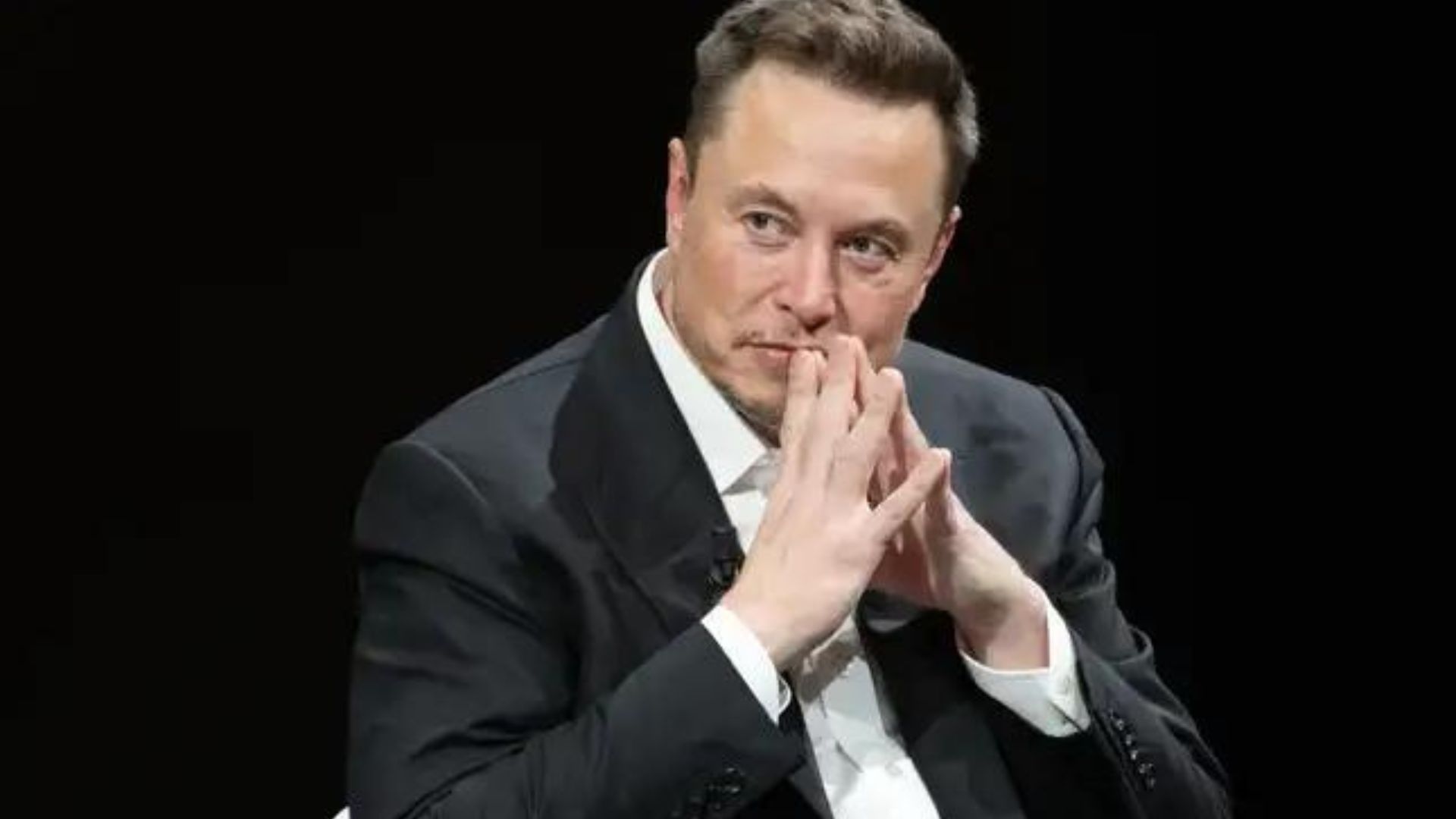
The Tesla Conundrum unfolds as China’s backlash against Tesla’s expansion into India prompts scrutiny of its motives. This raises questions Is China’s aggression rooted in genuine doubts about India’s EV preparedness, or does it signal broader geopolitical tensions? The move underscores the pivotal juncture in the global automotive landscape, where India’s emergence as a potential leader challenges China’s dominance. As Tesla navigates this terrain, understanding the nuances of China’s stance becomes imperative, illuminating the complex interplay between geopolitics, economic competition, and technological advancement in shaping the future of the automotive industry.

China’s Critique Genuine Concern or Strategic Move?

China’s recent criticism of India’s electric vehicle (EV) market as “underprepared” and “immature” has sparked debates about the true intentions behind such statements. While on the surface, these critiques may appear to stem from genuine concerns about India’s readiness for EV adoption, a deeper analysis reveals a complex interplay of economic interests and geopolitical maneuvering.

RelatedPosts

“Not 1962, Not China”: Pema Khandu Reasserts Tibet Border Claim, Dismisses Beijing’s Arunachal Assertions

When Rajiv Gandhi told Doordarshan to tone down its coverage on Tiananmen Square Massacre in China

Rudram-2 Passes Crucial Combat Trial, India Moves Closer to Indigenous SEAD Dominance

Load More

Evaluating the Criticism

China’s characterization of India’s EV market as “underprepared” and “immature” raises questions about the validity of such claims. India has been making significant strides in promoting EV adoption, evidenced by recent policy initiatives and investments in charging infrastructure.

The critique overlooks India’s ambitious targets for EV penetration and its growing consumer demand for sustainable transportation solutions. India’s EV market may be nascent, but it is evolving rapidly, driven by government support and increasing awareness of environmental issues.

China’s Global EV Interests

China has emerged as a dominant force in the global EV market, with leading companies like BYD and NIO capturing significant market share. However, China’s dominance is being challenged by emerging competitors, including India, which threatens to disrupt its hegemony.

China’s reluctance to cede ground to potential competitors like India is evident in its aggressive posturing against Tesla’s expansion into India. By undermining India’s EV market, China aims to maintain its stronghold and protect its market share in the face of increasing competition.

Also Read: Tesla Ready to Arrive India and Indian Government’s “Atithi Devo Bhav”

Geopolitical Maneuvering

Beyond economic interests, China’s criticism of India’s EV market can be viewed as part of a broader geopolitical strategy. China’s strained relations with India, exacerbated by border disputes and geopolitical rivalries, shape its stance on India’s economic development.

By disparaging India’s EV market, China seeks to undermine India’s credibility as a global economic powerhouse and deter foreign investments. This aligns with China’s broader geopolitical objectives of maintaining dominance in the region and asserting its influence over neighboring countries.

Strategic Implications

China’s critique of India’s EV market underscores the competitive dynamics shaping the global automotive industry. As India seeks to establish itself as a key player in the EV market, it faces resistance from established players like China, who are unwilling to relinquish their dominance.

The clash between China and India in the EV sector reflects broader geopolitical tensions and rivalries, with implications for regional stability and economic competition. How India navigates these challenges will determine its trajectory as a global leader in the automotive industry.

Also Read: Microsoft’s Clear Warning On China’s Stubborn AI Tactics To Manipulate Global Elections

Geopolitical Context India-China Relations

The relationship between India and China has been marked by a complex interplay of cooperation, competition, and occasional confrontation. Understanding the strained relations between these two Asian giants requires examining both historical grievances and contemporary geopolitical dynamics, particularly in light of recent border disputes and economic competition.

Historical Context

India and China share a long history of cultural and economic exchange, but their relationship has been marred by territorial disputes, most notably over the Himalayan region of Tibet and the northeastern Indian state of Arunachal Pradesh.

The unresolved border issue, stemming from the 1962 Sino-Indian War, continues to be a source of tension, periodically erupting into military standoffs and skirmishes along the Line of Actual Control (LAC).

Recent Border Disputes

In 2020, tensions between India and China escalated dramatically following a deadly clash between their troops in the Galwan Valley, resulting in casualties on both sides. The incident highlighted the fragility of the LAC and the potential for conflict escalation in disputed border areas.

The border standoff in eastern Ladakh, coupled with China’s assertive territorial claims in the South China Sea, has raised concerns about Beijing’s intentions and its willingness to use military force to pursue its geopolitical objectives.

Economic Competition

Beyond territorial disputes, India and China are engaged in economic competition across various sectors, including technology, infrastructure development, and manufacturing.

China’s rapid economic growth and export-driven model have positioned it as a global manufacturing hub, posing challenges to India’s efforts to compete in international markets and attract foreign investment.

China’s Reaction to Tesla’s India Venture

China’s reaction to Tesla’s expansion into India must be viewed within the broader narrative of rivalry and competition in the region. As India seeks to diversify its economic partnerships and reduce dependence on China, Beijing perceives such moves as threats to its economic interests and regional influence.

China’s criticism of India’s EV market and its attempts to undermine Tesla’s investment reflect its desire to maintain dominance in key strategic sectors and deter competitors from encroaching on its turf.

Implications for Regional Stability

The strained relations between India and China have significant implications for regional stability and security, with potential ramifications for neighboring countries and the broader Indo-Pacific region.

As both countries jockey for influence in South Asia and beyond, their competition risks exacerbating existing geopolitical fault lines and fueling instability in the region.

Also Read: Liabilities Rising: China’s Bumpy Ride Down the Pakistan Path

Economic Competition India’s Rise as a Contender

India’s emergence as a contender in the global automotive industry, particularly in electric vehicle (EV) manufacturing, marks a significant shift in the dynamics of the sector. With a burgeoning domestic market and ambitious policy initiatives, India is poised to challenge established players and carve out a niche for itself in the EV landscape.

Growing Prominence in the Automotive Industry

India has long been recognized as a major player in the automotive sector, with a robust manufacturing base and a large domestic market. The country is one of the world’s largest producers of automobiles, encompassing a wide range of vehicles from two-wheelers to commercial vehicles.

In recent years, India’s focus has shifted towards promoting sustainable mobility solutions, with EVs emerging as a key area of interest. The government’s push for cleaner transportation options aligns with global trends towards decarbonization and reducing reliance on fossil fuels.

Potential in EV Manufacturing

India’s potential to emerge as a major player in EV manufacturing stems from its favorable market conditions, including a large and growing population, rising disposable incomes, and increasing awareness of environmental issues.

The Indian government has unveiled several policy initiatives to incentivize EV adoption and promote domestic manufacturing. These include subsidies for EV buyers, tax incentives for EV manufacturers, and infrastructure development for charging stations.

Policy Initiatives to Attract Investment

India’s recent policy initiatives aimed at attracting foreign investment in the EV sector have garnered significant attention from global players. The government’s “Make in India” campaign, which promotes domestic manufacturing and investment, has been instrumental in driving interest from multinational corporations.

In addition to financial incentives, the Indian government has streamlined regulatory processes and introduced reforms to facilitate ease of doing business in the country. These measures have bolstered investor confidence and paved the way for greater collaboration in the EV space.

Also Read: India Vs. China in Aluminum Foil Warfare, Most Divisive Chinese Item In Kitchen

Promoting Domestic Manufacturing

India’s emphasis on domestic manufacturing is a key driver of its rise as a contender in the global EV market. The government’s production-linked incentive (PLI) scheme for the automotive sector aims to boost domestic manufacturing and reduce dependency on imports.

Furthermore, partnerships between Indian companies and international EV manufacturers have led to the establishment of manufacturing facilities and research and development centers in the country. These collaborations are poised to accelerate the growth of India’s EV ecosystem and enhance its competitiveness on the global stage.

Geopolitical Significance India’s Strategic Moves

India’s rejection of proposals from Chinese automakers BYD and Great Wall Motor carries significant geopolitical implications, reflecting India’s efforts to assert sovereignty, promote domestic manufacturing, and safeguard strategic interests in the face of increasing competition from China.

Rejection of Chinese Proposals

India’s decision to reject proposals from Chinese automakers BYD and Great Wall Motor highlights the growing concerns about economic dependence on China and the need to diversify partnerships in key sectors, including automotive manufacturing.

The rejection of these proposals underscores India’s commitment to promoting domestic manufacturing and reducing reliance on imports, particularly from countries with whom it shares strained relations, such as China.

Asserting Sovereignty and Strategic Interests

India’s actions reflect its efforts to assert sovereignty and safeguard strategic interests in the face of geopolitical tensions with China. The rejection of Chinese proposals signals India’s resolve to protect its economic autonomy and reduce vulnerabilities to external pressures.

By prioritizing domestic manufacturing and rejecting foreign proposals that do not align with its strategic objectives, India aims to strengthen its position as a regional power and assert its influence in global economic affairs.

Also Read: From Rivalry to Resilience: Modi’s Plan to Unlock India-China Relations

Global Implications Shaping the Future Landscape

Tesla’s investment in India holds broader implications for the global automotive industry, particularly in the context of India’s potential to emerge as a key player in the EV market, challenging China’s dominance.

Impact on Global Automotive Dynamics

Tesla’s investment in India signifies the company’s recognition of the country’s growing importance as a market for EVs and its commitment to expanding its presence beyond traditional strongholds like China.

The entry of Tesla into the Indian market is likely to stimulate competition and innovation, driving further advancements in EV technology and infrastructure development. This, in turn, could accelerate the transition towards sustainable transportation solutions globally.

Potential for India to Challenge China’s Dominance

India’s strategic location, large domestic market, and supportive policy environment position it as a formidable contender in the global EV market. With Tesla’s investment and other initiatives to promote domestic manufacturing, India has the potential to challenge China’s dominance in the EV sector.

India’s competitive advantages, including a skilled workforce, robust supply chain ecosystem, and favorable regulatory environment, could enable it to emerge as a key player in the EV landscape, disrupting China’s hegemony and reshaping the future dynamics of the industry.

In navigating the intricate web of geopolitics, economics, and technological advancements in the automotive industry, it becomes evident that China’s aggressive stance towards India reflects broader strategic calculations. Tesla’s entry into India and India’s rejection of Chinese proposals signal a shifting global landscape where competition and collaboration intersect. Understanding these dynamics requires nuanced analysis, recognizing the geopolitical undercurrents driving China’s actions and India’s strategic maneuvers. As the automotive industry evolves, it’s imperative to grasp the interconnectedness of geopolitical complexities and their far-reaching implications for global dynamics and regional stability.

Also Read: Apple’s Strategic Shift: Relocating Half of The Supply Chain “From China to Chandni Chowk”


Tags: ChinaEVIndiaTesla
ShareTweetSend
Previous Post

The Transformative Effects of Digital Yuan on Payment Processing Speed

Next Post

Celebrating India’s Unity in Diversity: PM Modi’s Rejection of North vs South Divide

Related Posts

Securing the Frontier: Shah Draws a Red Line on Demographic Shifts as Smart Border Project Nears Rollout
Defence

Securing the Frontier: Shah Draws a Red Line on Demographic Shifts as Smart Border Project Nears Rollout

5 June 2026

Union Home Minister Amit Shah delivered a firm message on border security and demographic change. He said, "The Centre...

Did Dawood Ibrahim Want Control Over IPL? Lalit Modi Reveals in Explosive Account of Underworld Pressure
Cricket

Did Dawood Ibrahim Want Control Over IPL? Lalit Modi Reveals in Explosive Account of Underworld Pressure

5 June 2026

Former Indian Premier League commissioner Lalit Modi has revealed that fugitive underworld figure Dawood Ibrahim wanted control and influence...

When a Gold Story Turned Into Dust: Bloomberg Retraction, RBI’s Clarification, and the Debate Over Narrative First Journalism
Economy

When a Gold Story Turned Into Dust: Bloomberg Retraction, RBI’s Clarification, and the Debate Over Narrative First Journalism

5 June 2026

A report suggesting that India’s central bank had sold gold reserves has collapsed after official pushback and a methodological...

Load More

Leave a Reply Cancel reply

Your email address will not be published. Required fields are marked *

I agree to the Terms of use and Privacy Policy.
This site is protected by reCAPTCHA and the Google Privacy Policy and Terms of Service apply.

Currently Playing

AIRCRAFT CARRIERS: INDIA’S MOST POWERFUL TOOL OF MARITIME POWER PROJECTION | INS Vikrant |

AIRCRAFT CARRIERS: INDIA’S MOST POWERFUL TOOL OF MARITIME POWER PROJECTION | INS Vikrant |

00:03:22

Rudram 2 Success: Made in India Missile Ready To Crush Enemy Radars| DRDO’s Big Breakthrough

00:03:46

From Runways to Warships: India’s Firefighting Warrior Built for Bases & Battles| IAF | VayuShakti

00:05:40

Ethanol, EVs and Solar- How India’s Energy Game Is Changing | Modi on LPG & Crude Oil | war| Hormuz

00:05:21

Truth of IRIS Dena: 8 Days That Changed Narrative | War zone Reality, Not an Indian Navy Exercise

00:08:02
Facebook Twitter Instagram Youtube
tfipostTfipost.com
Right Wing | News Analysis | Indian Opinion
  • About us
  • Contact Us
  • Careers
  • Brand Partnerships
  • Terms of use
  • Privacy Policy
  • Sitemap

©2026 TFI Media Private Limited

No Result
View All Result
  • Premium
  • Politics
    • Analysis
    • Opinions
    • Trending
  • Economy
    • Business
    • Finance
  • Defense
    • Defence
    • Strategy
    • Weaponry
  • Geopolitics
    • Africa
    • Americas
    • Asia Pacific
    • Europe
    • South Asia
    • West Asia
  • Knowledge
    • Culture
    • History
    • Indology
  • Law
  • Lounge
    • Books
    • Cinema
    • Food
    • Health
    • Sports
    • technology
    • Travel
    • Satire
TFIPOST हिन्दी
TFIPOST Global

©2026 TFI Media Private Limited