






TFIPOST हिन्दी
TFIPOST Global
Tfipost.com
Tfipost.com
No Result
View All Result
  • Premium
  • Politics
    • All
    • Analysis
    • Opinions
    • Trending
    Why the Air Littoral Is a Land Forces Problem in India’s Future Wars

    Why the Air Littoral Is a Land Forces Problem in India’s Future Wars

    EU Leaders to Visit India as Chief Guests at 77th Republic Day Celebrations

    EU Leaders to Visit India as Chief Guests at 77th Republic Day Celebrations

    Cows, Conservation and Culture: PM Modi’s Makar Sankranti Gesture Highlights the Rare Punganur Breed

    Cows, Conservation and Culture: PM Modi’s Makar Sankranti Gesture Highlights the Rare Punganur Breed

    Mamata Banerjee at the Center as Supreme Court Intervenes in Bengal ED Controversy

    Mamata Banerjee at the Center as Supreme Court Intervenes in Bengal ED Controversy

    • Analysis
    • Opinions
    • Trending
  • Economy
    • All
    • Business
    • Economy1
    • Finance
    Safeguarding Your Business Growth: Protecting Your Assets, Relationships, and Success

    Safeguarding Your Business Growth: Protecting Your Assets, Relationships, and Success

    Best LEI Registration Services in India Reviewed 2026

    Best LEI Registration Services in India Reviewed 2026

    How Wealth Managers Manage Risk During Market Volatility?

    How Wealth Managers Manage Risk During Market Volatility?

    US Court Served Justice to Byju Raveendran by Reversing $1B Penalty: What’s Next for January 2026?

    US Court Served Justice to Byju Raveendran by Reversing $1B Penalty: What’s Next for January 2026?

    • Business
    • Finance
  • Defense
    • All
    • Defence
    • Strategy
    • Weaponry
    Why the Air Littoral Is a Land Forces Problem in India’s Future Wars

    Why the Air Littoral Is a Land Forces Problem in India’s Future Wars

    Army Day Parade in Jaipur

    Indigenous Drones Lead Massive Display of Firepower at Jaipur Army Day Parade

    Navy Ship

    Indian Navy Eyes Historic Fleet Expansion as 19 Warships Set for 2026 Induction

    Representational Picture

    Arihant-Class Nuclear Submarine S4* Likely to Be Named INS Arisudan

    • Defence
    • Strategy
    • Weaponry
  • Geopolitics
    • All
    • Africa
    • Americas
    • Asia Pacific
    • Europe
    • South Asia
    • West Asia
    Trump Urges Iranians to ‘Keep Protesting'

    Trump Urges Iranians to ‘Keep Protesting, Take Over Institutions,’ Says ‘Help Is on Its Way’

    Trump Imposes Tariffs on Iran’s Trade Allies

    Trump Imposes Tariffs on Iran’s Trade Allies — What It Means for India

    PM Modi and President Trump

    Trump Turns the Trade Screw on India, While Washington’s Hemisphere Threats Grow Louder

    Iran Anti-Regime Protesters Set Fire to the Statue of Qasem Soleimani

    Iran Anti-Regime Protesters Set Fire to the Statue of Qasem Soleimani

    • Africa
    • Americas
    • Asia Pacific
    • Europe
    • South Asia
    • West Asia
  • Knowledge
    • All
    • Culture
    • Education
    • History
    • Indology
    When UFOs Swarmed Washington

    When UFOs Swarmed Washington: Why America’s Oldest Aerial Mystery Is Back

    From Shaheedi to Silence: Remembering the Sikh Gurus While Punjab Quietly Changes Its Faithscape

    From Shaheedi to Silence: Remembering the Sikh Gurus While Punjab Quietly Changes Its Faithscape

    Veer Bal Diwas: Christmas and New Year’s celebrations are all right but let us not forget the sacrifices of the Sahibzadas

    Veer Bal Diwas: Christmas and New Year’s celebrations are all right but let us not forget the sacrifices of the Sahibzadas

    How Atal Bihari Vajpayee Carried Hindi to the United Nations, Amplified India’s Voice on Global Stage

    How Atal Bihari Vajpayee Carried Hindi to the United Nations, Amplified India’s Voice on Global Stage

    • Culture
    • History
    • Indology
  • Law
  • Lounge
    • All
    • Books
    • Cinema
    • Entertainment
    • Food
    • Games
    • Health
    • Lifestyle
    • Satire
    • Sports
    • technology
    • Travel
    PSLV’s Launch

    PSLV’s 2nd Consecutive Failure: What Went Wrong, Why It Happened, and What India Lost

    Waiting Sucks: The Real Scoop on the Fastest Withdrawal Online Casinos in Ontario

    Waiting Sucks: The Real Scoop on the Fastest Withdrawal Online Casinos in Ontario

    India’s First Hydrogen Train Set to Run on Jind–Sonipat Route

    India’s First Hydrogen Train Set to Run on Jind–Sonipat Route

    Top NBA Games of 2026: What Asian Fans Are Excited to Watch

    Top NBA Games of 2026: What Asian Fans Are Excited to Watch

    • Books
    • Cinema
    • Food
    • Health
    • Sports
    • technology
    • Travel
    • Satire
Tfipost.com
  • Premium
  • Politics
    • All
    • Analysis
    • Opinions
    • Trending
    Why the Air Littoral Is a Land Forces Problem in India’s Future Wars

    Why the Air Littoral Is a Land Forces Problem in India’s Future Wars

    EU Leaders to Visit India as Chief Guests at 77th Republic Day Celebrations

    EU Leaders to Visit India as Chief Guests at 77th Republic Day Celebrations

    Cows, Conservation and Culture: PM Modi’s Makar Sankranti Gesture Highlights the Rare Punganur Breed

    Cows, Conservation and Culture: PM Modi’s Makar Sankranti Gesture Highlights the Rare Punganur Breed

    Mamata Banerjee at the Center as Supreme Court Intervenes in Bengal ED Controversy

    Mamata Banerjee at the Center as Supreme Court Intervenes in Bengal ED Controversy

    • Analysis
    • Opinions
    • Trending
  • Economy
    • All
    • Business
    • Economy1
    • Finance
    Safeguarding Your Business Growth: Protecting Your Assets, Relationships, and Success

    Safeguarding Your Business Growth: Protecting Your Assets, Relationships, and Success

    Best LEI Registration Services in India Reviewed 2026

    Best LEI Registration Services in India Reviewed 2026

    How Wealth Managers Manage Risk During Market Volatility?

    How Wealth Managers Manage Risk During Market Volatility?

    US Court Served Justice to Byju Raveendran by Reversing $1B Penalty: What’s Next for January 2026?

    US Court Served Justice to Byju Raveendran by Reversing $1B Penalty: What’s Next for January 2026?

    • Business
    • Finance
  • Defense
    • All
    • Defence
    • Strategy
    • Weaponry
    Why the Air Littoral Is a Land Forces Problem in India’s Future Wars

    Why the Air Littoral Is a Land Forces Problem in India’s Future Wars

    Army Day Parade in Jaipur

    Indigenous Drones Lead Massive Display of Firepower at Jaipur Army Day Parade

    Navy Ship

    Indian Navy Eyes Historic Fleet Expansion as 19 Warships Set for 2026 Induction

    Representational Picture

    Arihant-Class Nuclear Submarine S4* Likely to Be Named INS Arisudan

    • Defence
    • Strategy
    • Weaponry
  • Geopolitics
    • All
    • Africa
    • Americas
    • Asia Pacific
    • Europe
    • South Asia
    • West Asia
    Trump Urges Iranians to ‘Keep Protesting'

    Trump Urges Iranians to ‘Keep Protesting, Take Over Institutions,’ Says ‘Help Is on Its Way’

    Trump Imposes Tariffs on Iran’s Trade Allies

    Trump Imposes Tariffs on Iran’s Trade Allies — What It Means for India

    PM Modi and President Trump

    Trump Turns the Trade Screw on India, While Washington’s Hemisphere Threats Grow Louder

    Iran Anti-Regime Protesters Set Fire to the Statue of Qasem Soleimani

    Iran Anti-Regime Protesters Set Fire to the Statue of Qasem Soleimani

    • Africa
    • Americas
    • Asia Pacific
    • Europe
    • South Asia
    • West Asia
  • Knowledge
    • All
    • Culture
    • Education
    • History
    • Indology
    When UFOs Swarmed Washington

    When UFOs Swarmed Washington: Why America’s Oldest Aerial Mystery Is Back

    From Shaheedi to Silence: Remembering the Sikh Gurus While Punjab Quietly Changes Its Faithscape

    From Shaheedi to Silence: Remembering the Sikh Gurus While Punjab Quietly Changes Its Faithscape

    Veer Bal Diwas: Christmas and New Year’s celebrations are all right but let us not forget the sacrifices of the Sahibzadas

    Veer Bal Diwas: Christmas and New Year’s celebrations are all right but let us not forget the sacrifices of the Sahibzadas

    How Atal Bihari Vajpayee Carried Hindi to the United Nations, Amplified India’s Voice on Global Stage

    How Atal Bihari Vajpayee Carried Hindi to the United Nations, Amplified India’s Voice on Global Stage

    • Culture
    • History
    • Indology
  • Law
  • Lounge
    • All
    • Books
    • Cinema
    • Entertainment
    • Food
    • Games
    • Health
    • Lifestyle
    • Satire
    • Sports
    • technology
    • Travel
    PSLV’s Launch

    PSLV’s 2nd Consecutive Failure: What Went Wrong, Why It Happened, and What India Lost

    Waiting Sucks: The Real Scoop on the Fastest Withdrawal Online Casinos in Ontario

    Waiting Sucks: The Real Scoop on the Fastest Withdrawal Online Casinos in Ontario

    India’s First Hydrogen Train Set to Run on Jind–Sonipat Route

    India’s First Hydrogen Train Set to Run on Jind–Sonipat Route

    Top NBA Games of 2026: What Asian Fans Are Excited to Watch

    Top NBA Games of 2026: What Asian Fans Are Excited to Watch

    • Books
    • Cinema
    • Food
    • Health
    • Sports
    • technology
    • Travel
    • Satire
No Result
View All Result
Tfipost.com
Tfipost.com
No Result
View All Result
  • Premium
  • Politics
  • Economy
  • Defense
  • Geopolitics
  • Knowledge
  • Law
  • Lounge

Article 370 and Nuclear Tests. Two great PMs. Two extraordinary legacies.

Akriti Tyagi by Akriti Tyagi
14 August 2019
in Analysis
Article 370 and Nuclear Tests. Two great PMs. Two extraordinary legacies.
Share on FacebookShare on X

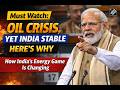
The country over the past many decades has witnessed some very strong leaders, leaders who are known for the ability to take strong decisions for development and security of the country. One of these leaders was Hon’ble Prime Minister Atal Bihari Vajpayee, who against all odds took many strong decisions which have led to India being a strong, powerful nation that it is today.

Back in 1998, when the NDA alliance had formed the government for the first time, Atal Bihari Vajpayee made the decision to conduct nuclear tests India. The decision was huge, in light of the prevailing international scenario. Vajpayee nevertheless sought to make India a nuclear country, well prepared with its defence in the occasion of any hostilities.

RelatedPosts

British MP Bob Blackman Says He Demanded Abrogation of Article 370 Back in 1992, Speaking in Jaipur

How Atal Bihari Vajpayee Carried Hindi to the United Nations, Amplified India’s Voice on Global Stage

Atal’s 101st Birth Anniversary Today: PM Modi to Inaugurate Rashtra Prerna Sthal in UP

Load More

In the post-Cold war world and pre-9/11 global scenario the world was, for the first time in a long period, was leaning towards peace-making. In a situation wherein the nations were collectively pushing for nuclear non-proliferation, India, a developing country conducting nuclear tests was a drastic occurrence.

There were innumerable consequences to consider, and if plainly thought along the terms of the cost benefit analysis, the decision wouldn’t have seemingly made sense. Threats from the neighbors and sanctions from USA were to be considered which could have been catastrophic. In addition to this, there was also the previous move in 1995 to consider, in which Prime Minister Narasimha Rao’s decision to conduct nuclear tests was foiled by the Clinton administration picking up preparations and exerting immense pressure to halt the tests.

However, India under Vajpayee didn’t pay heed to the possible consequences. The country would have been on the way to becoming an elite super power and moreover, surrounded by hostile neighbors, nuclear self efficiency would done wonders for the country’s defensive preparedness. Keeping the same in mind, India decided to go ahead with the tests.

The aftermath was as accepted. With the exception of Congress, Indians had all praised and lauded Vajpayee for his bold decision. International community on the other hand, was less than pleased. Not only was USA embarrassed at having failed to detect the preparations, but also had issued a strong statement condemning the tests. Thereafter, the country had imposed several sanctions on India which included cutting off all assistance to India except humanitarian aid, banning the export of certain defence material and technologies, ending American credit and credit guarantees to India, and requiring the US to oppose lending by international financial institutions to India. In response to this, the Indian government announced that it had already allowed for some economic response and was willing to take the consequences.

In terms of nuclear decision, another argument could be made about India’s Great power aspirations. Despite a large economy, flourishing culture, respectable military capability and grand heritage India felt that without nuclear option it would never command the respect that it desire in International arena. India had argued that it is no accident that all five permanent members of Security Council were Nuclear Weapons State. Thus, if India wanted to be counted as Great Power, it had to opt for the nuclear option. The 1998 Pokhran tests can be seen as India’s attempt to gain International recognition; it can be seen in the context of seeking attention of the World power. BJP leader Jaswant Singh’s reference to the tests as an escape from ‘Nuclear apartheid’ further boosts this argument. As it turned out, the Atal Bihari Vajpayee government was right about it.

USA had also attempted to hold talks regarding the rollback of India’s nuclear program and signing the Treaty on the Non-Proliferation of Nuclear Weapons. This was unsuccessful as India refuted the pressure and focused on nations’ security interest.

Same backlash was faced from Japan, Canada, China and Pakistan.  Only the United Kingdom, France and Russia restrained from issuing a condemning statement.

Eventually, the sanctions imposed by the international community were lifted over the next couple of years so in the long run, the benefit achieved was tremendous. India’s relations with US actually improved thereafter and moreover, India had gained a respectable place in the International community, as an elite nuclear armed nation. However, at that point of time amidst the uncertainty, the risks were manifold.

What followed from that point of time was the international community understanding the need for India strengthening its defence amidst any circumstance and respecting the same. 20 years later now, there is no better reinforcement to this fact than the international community’s reaction to the abrogation of article 370 in the constitution.

Article 370 granted a special status to the state of Jammu and Kashmir which had increasingly led to difficulties as far as the status of citizens and supremacy of the Indian constitution was concerned. In a bold decision, the NDA government under PM Modi scrapped off the article and rendered J&K’s situation as that of any other ordinary state and its residents, as any other ordinary Indian citizens.

J&K has essentially been the bone of contention between India and Pakistan. The state under Maharaja Hari Singh had formally acceded to India after independence, but the presence of a large Muslim population had encouraged Pakistan to stake a claim. Regardless of the fact that India was a secular country, ensuring that the state did not have any religion and gave equal recognition to all the religions, Pakistan still felt the need to interfere unnecessarily. Further complicating the situation is the fact that at the time of independence, the Jammu and Kashmir issue was taken to the UN, giving it the tag of an “international issue”.

Moreover, the international community regards Kashmir as one of the most probable nuclear flashpoints and thus the matter has been approached with great caution.

However, the thoughts were completely unfounded. Not only did the international community refuse to condemn India’s decision on article 370, but also lauded and appreciated the move. The world super powers including USA, Russia, EU, Sri Lanka, even Muslim majority nations like UAE, Maldives, Afghanistan have sided with India and most of the states have maintained the issue of article 370 to be ‘internal’ to India, taken under the power and authority of the Constitution and also struck off any possibility of International interventions.

Pakistan has been rendered to the position of a blithering idiot, and in light of the international indifference has imposed ‘economic sanctions’ on India, sanctions that are affecting Pakistan greater deal more than India.

Thus, as evident from the international community’s response, the objective of nuclearisation in 1998, which sought to project a powerful image of India, has been met now. India is regarded an elite country, and whatever measures it takes to strengthen its internal and external security is its internal matter. The country has made it clear that matters regarding the sovereignty shall not be subject to adjudication by the international community. Strong countries such as India do not need the approval of the international community as far as defence is concerned and after 1998 decision by Atal Bihari Vajpayee the world super powers have understood this.

Tags: Article 370Atal Bihari VajpayeeIndian Nuclear Tests
Share18TweetSend
Previous Post

Cinema workers’ body, AICWA bans Mika Singh from the industry for performing in Pakistan but will it ban Salman Khan?

Next Post

Mastering Cloud Migration: Deepak Nanuru Yagamurthy’s Guide to Seamless Server Transition

Related Posts

UAE Excludes UK Universities From Scholarships
Analysis

UAE Excludes UK Universities From Scholarships Over Radicalisation and Muslim Brotherhood Concerns

10 January 2026

The United Arab Emirates has moved to restrict government funding for Emirati students seeking to study in the United...

Asim Munir with Trump
Analysis

FARA Filings Reveal Intense Pakistan Lobbying During Ops Sindoor to Stop the War

7 January 2026

Documents released under the United States’ Foreign Agents Registration Act (FARA) have revealed how India and Pakistan both engaged...

Indian Army Nears Full Ammunition Self Reliance
Analysis

Indian Army Nears Full Ammunition Self Reliance

2 January 2026

As 2025 draws to a close, India has a powerful reason for optimism. The Indian Army achieving 91 percent...

Load More

Leave a Reply Cancel reply

Your email address will not be published. Required fields are marked *

I agree to the Terms of use and Privacy Policy.
This site is protected by reCAPTCHA and the Google Privacy Policy and Terms of Service apply.

Currently Playing

An Quiet Dialogue Between Nature and the City|Ft. Shashi Tripathi | Art| Indian Navy

An Quiet Dialogue Between Nature and the City|Ft. Shashi Tripathi | Art| Indian Navy

00:03:24

Ramjet-Powered Shell: A Potential Game Changer for Indian Artillery| IIT Madra

00:06:25

Trump makes false apache deal claims, runs down India US relations

00:05:44

Captured Turkish YIHA drone Showed by the Indian Army |Defence News| Operation Sindoor

00:00:58

A War Won From Above: The Air Campaign That Changed South Asia Forever

00:07:37
Facebook Twitter Instagram Youtube
tfipostTfipost.com
Right Wing | News Analysis | Indian Opinion
  • About us
  • Contact Us
  • Careers
  • Brand Partnerships
  • Terms of use
  • Privacy Policy
  • Sitemap

©2026 TFI Media Private Limited

No Result
View All Result
  • Premium
  • Politics
    • Analysis
    • Opinions
    • Trending
  • Economy
    • Business
    • Finance
  • Defense
    • Defence
    • Strategy
    • Weaponry
  • Geopolitics
    • Africa
    • Americas
    • Asia Pacific
    • Europe
    • South Asia
    • West Asia
  • Knowledge
    • Culture
    • History
    • Indology
  • Law
  • Lounge
    • Books
    • Cinema
    • Food
    • Health
    • Sports
    • technology
    • Travel
    • Satire
TFIPOST हिन्दी
TFIPOST Global

©2026 TFI Media Private Limited